Catella Appoints Herbert Mirbeth to Lead Capital Raising Strategy

Catella has appointed Herbert Mirbeth as Director Group Capital Raising Strategy & Partnerships, effective 13 April 2026. The newly created role is part of the company’s efforts to strengthen its capital raising and investor communication activities across Europe within its Investment Management business.

Mirbeth joins from Patrizia AG, where he served as Director Institutional Clients for the DACH region. In that position, he advised institutional investors across real estate and infrastructure, covering equity, debt and listed investment strategies. Earlier in his career, he held senior roles at KG Allgemeine Leasing and Real I.S. Group.

In his new role, Mirbeth will focus on developing a more coordinated approach to investor communication and engagement across Catella’s European operations. His responsibilities include aligning messaging across markets, supporting cross-border investor relations and contributing to relationships with institutional clients.

“Herbert’s appointment marks an important step in strengthening our platform for European investor communication and capital raising. His strategic experience in managing institutional relationships and investor communication will significantly enhance our visibility, credibility, and effectiveness further,” said Dominik Röhrich.

The appointment reflects Catella’s broader strategy of building a more integrated approach to capital raising and investor relations across its European platform.

Immocap Sells The Mill Office Building in Bratislava to REICO Fund

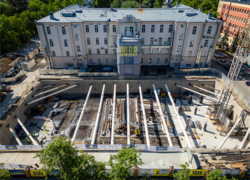
Immocap has agreed the sale of The Mill office building in Bratislava to REICO LONG LEASE, part of the Erste Asset Management group. The transaction is among the larger office deals recorded on the Slovak market this year and forms part of a broader cooperation between the two parties.

The agreement also includes a partnership under which Immocap will provide property management services for selected assets within REICO’s Slovak portfolio, including The Mill, as well as Forum BC and Park One.

“The Mill building fits perfectly into our REICO LONG LEASE fund, where it is the first investment in offices and thus further diversifies the fund’s risk profile,” said Dušan Sýkora. “The partnership with Immocap is a big step for us on the Slovak market and I am convinced that we will see further joint transactions in the future. Not only this acquisition, but also the entire cooperation is beneficial for our tenants and consequently especially for our investors.”

The Mill is located on Mlynské nivy boulevard in Bratislava and offers more than 25,000 sqm of leasable office space. The building is fully occupied.

Immocap will continue to manage the property following the transaction, while also expanding its role within REICO’s portfolio in the country.

“I see the agreement with the REICO investment fund as a good signal for the entire office real estate market in Slovakia and I believe that it will also be an impulse for boost in this area,” said Martin Šramko. “Immocap has successfully established itself as a lessor and partner for large multinational companies, and the latest transaction confirms this success story. I am glad that we are handing over the building in excellent condition and with one hundred percent rent.”

Immocap has been active on the Slovak market for more than three decades, focusing on office developments for international occupiers. Its portfolio includes projects delivered for tenants such as DELL, Henkel, Orange and ZSE.

The transaction reflects ongoing investment activity in the Bratislava office market, where fully leased and recently completed assets continue to attract institutional capital.

CTP Signs Over 12,000 sqm of New Logistics Leases Across Poland

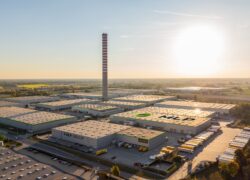
CTP has completed new leasing agreements across Poland totalling more than 12,000 sqm of warehouse and logistics space, in addition to a previously announced 29,000 sqm lease at CTPark Legnica.

The latest transactions were concluded across five business parks and include a mix of lease extensions and new tenant agreements.

In northern Poland, MAG expanded its operations by 6,900 sqm at CTPark Gdańsk Port. In western Poland, Domator24 increased its leased space at CTPark Sulechów. A company operating in the electrical infrastructure sector signed a 1,500 sqm lease at CTPark Zabrze.

Further activity was recorded in the Warsaw region. A tyre and rim distributor leased 1,900 sqm at CTPark Warsaw South. At CTPark Warsaw Nowy Konik, the first tenant has been secured for the CTBox development, which is designed to provide smaller, flexible industrial units.

The agreements follow earlier leasing activity in March, when Windar Renovables signed for 29,000 sqm at CTPark Legnica.

Poland remains one of the larger logistics markets in Central Europe, supported by its location, transport infrastructure and domestic demand. CTP’s portfolio in the country includes 16 industrial and logistics parks with more than 1 million sqm of gross leasable area. The company also has additional development capacity of around 2.6 million sqm and is currently delivering over 440,000 sqm of new space under construction.

“These transactions demonstrate the continued strength of occupier demand for high-quality logistics space across Poland, from major urban markets like Warsaw to key regional hubs,” said Piotr Flügel. “Poland’s economic fundamentals remain robust, and as companies adapt their supply chains and distribution networks, we continue to see strong interest in flexible, well-located space that can support long-term growth.”

Offshore Wind Expansion Gains Momentum as Poland Prepares First Projects

Offshore wind energy continues to expand globally, with installed capacity reaching around 85 GW and a further significant volume currently under construction, confirming the sector’s ongoing growth.

Across Europe, investment in offshore wind remains a central component of the energy transition. Countries bordering the North Sea have committed to accelerating the development of wind capacity and supporting grid infrastructure, while auction systems continue to bring forward new projects, particularly in markets such as the United Kingdom.

In Poland, offshore wind is moving from planning to implementation. The first large-scale projects, including Baltic Power, are expected to begin operations around 2026–2027, marking a transition from development to active generation.

“Offshore wind is no longer a future concept but a developing part of the energy system,” said Oliwia Mróz-Malik, Manager for Offshore Wind Investment and Development at the Polish Wind Energy Association. “The coming years will determine how quickly projects translate into measurable contributions to the national energy mix.”

The experience of more mature markets such as the United Kingdom, Germany and Denmark illustrates the pace at which offshore wind can scale once initial projects are delivered. In these countries, offshore wind has evolved from early-stage projects into a significant source of electricity within a relatively short timeframe.

From a market perspective, offshore wind offers advantages linked to the absence of fuel costs, which can reduce exposure to commodity price volatility. However, its impact on electricity prices depends on broader system conditions, including grid capacity, storage and overall system flexibility.

“Increasing the share of low-carbon generation can influence wholesale electricity prices, particularly during periods of high renewable output,” Mróz-Malik added. “However, the scale of this effect will depend on infrastructure readiness and system integration.”

In Poland, the development of offshore wind is also linked to industrial activity. A growing number of companies are participating in the supply chain, including manufacturers of structural components, cables and specialised equipment, as well as service providers in logistics and engineering.

“Offshore wind projects are not only energy investments but also industrial projects,” Mróz-Malik said. “They contribute to the development of local capabilities and support long-term economic activity.”

Industry estimates suggest that investment in offshore wind could reach significant levels over the coming decades, reflecting the scale of infrastructure required. The final outcome will depend on the pace of project delivery, regulatory conditions and the expansion of supporting infrastructure such as transmission networks and energy storage.

While the sector continues to face challenges, including permitting and grid integration, offshore wind is increasingly positioned as a key component of Europe’s long-term energy strategy. In Poland, the coming years are expected to determine how quickly the sector moves from initial deployment to broader system relevance.

Czech Travel Sector Unaffected by Fuel Supply Risks, Though Costs Rise

Travel agencies in Czech Republic are not currently experiencing disruptions related to aviation fuel supply, despite rising geopolitical tensions in the Middle East, according to industry representatives.

Officials from the Association of Travel Agents said that flights arranged through tour operators are typically secured and prepaid several months in advance, in many cases covering the summer season. This reduces the immediate risk of cancellations. Industry representatives also note that airlines are expected to prioritise existing contractual commitments, including those with travel agencies.

Major operators, including DER Touristik CZ and Čedok, have not reported any concerns regarding fuel availability. Airports across the country, including Prague, Brno, Pardubice and Ostrava, are also operating without disruption at present.

While supply remains stable, costs are increasing. Aviation fuel prices have risen sharply in recent weeks, raising operating expenses for airlines. According to market participants, this is beginning to be reflected in ticket pricing, particularly for new bookings. For short-haul routes within Europe, additional charges are typically in the range of several hundred Czech crowns per passenger, while long-haul travel may see increases of approximately CZK 2,000 to CZK 3,000.

Travel agencies have indicated that previously purchased package holidays are not subject to price adjustments. Future pricing, however, will depend on developments in fuel markets, demand trends and available capacity.

Demand patterns are also shifting. Interest in destinations in or near the Middle East has weakened, while travel within Europe has gained momentum. Data from Kiwi.com suggests increased demand for regional destinations, including Poland.

Industry organisations, including Airports Council International Europe, have warned that prolonged disruption to key oil transit routes could create supply pressures in the coming weeks. For now, however, the sector continues to operate normally, with the primary impact limited to gradually rising travel costs rather than availability constraints.

Source: CTK

German Real Estate Lenders Remain Cautious in Q1 Despite Stable Lending Activity

Sentiment among commercial real estate lenders in Germany remained subdued in the first quarter of 2026, even as some underlying indicators showed modest improvement, according to the latest BF.Quartalsbarometer compiled with the Handelsblatt Research Institute.

The index, which tracks financing conditions and lender activity, registered a negative reading of -9.74 points, indicating continued caution in the market. While a majority of respondents reported stable conditions over the past three months, more participants observed a deterioration than an improvement, suggesting that overall confidence remains limited.

The survey, conducted in mid-March, captured early reactions to geopolitical tensions, including the conflict involving Iran. Market participants noted that uncertainty around the broader economic environment continues to weigh on financing decisions, particularly given the risk of renewed volatility in interest rates.

Lending activity itself showed mixed signals. Most respondents indicated that new business volumes had remained unchanged compared to the previous quarter, while just over a quarter reported an increase. At the same time, competition among lenders appears to be gradually strengthening, with some participants noting increased pressure in the market.

Demand for alternative sources of financing has also grown. More than 40 percent of respondents observed higher interest in non-bank funding options, with private equity structures, including joint venture capital, among the most frequently cited.

In contrast, the share of non-performing loans showed signs of stabilisation or improvement. Around one-third of respondents reported a decline in problematic loans, while fewer noted an increase. This suggests some easing in credit quality concerns, although the overall level remains a point of attention for lenders.

Pricing continues to vary significantly depending on asset type and risk profile. For existing properties, average lending margins were reported at 169 basis points, with lower pricing typically associated with residential assets and higher levels seen in the office segment. Loan-to-value ratios averaged just over 63 percent.

Financing for development projects remains more expensive, reflecting higher risk. Average margins in this segment reached 262 basis points, with a wide range depending on the type of project. Residential developments carried the highest average pricing, while logistics projects were generally financed at lower margins. Loan-to-cost ratios stood at just over 71 percent.

The BF.Quartalsbarometer is based on a quarterly survey of lending professionals responsible for real estate financing decisions across a range of institutions. It provides an overview of market sentiment, lending conditions and competitive dynamics within Germany’s property finance sector.

Overall, the latest results point to a market that remains cautious but functional, with stable lending activity and some signs of improving credit quality, set against a backdrop of ongoing economic and geopolitical uncertainty.

Prague New-Build Prices Rise as Sales Decline in Early 2026

Prices of new apartments in Prague increased by 8% year-on-year in the first quarter of 2026, reaching CZK 176,440 per sqm, according to data from BuiltMind. On a quarterly basis, prices also recorded a modest increase.

Despite the price growth, sales activity weakened. Developers sold 1,518 new apartments during the quarter, down more than 28% compared to the same period last year, when 2,118 units were transacted.

The supply of new homes remained limited, with fewer than 6,000 units available on the market, broadly in line with early 2025 levels. Although the number of available apartments increased during last year, the analysis indicates that new supply continues to be absorbed relatively quickly.

Market dynamics are influenced by a combination of slow permitting processes, construction constraints and developers’ strategies of releasing units in phases. These factors continue to shape both supply levels and pricing trends.

Compared to other Central European capitals, Prague’s residential market shows lower levels of activity. While sales volumes exceeded 4,300 units in Warsaw during the same period, Prague recorded significantly fewer transactions. The difference in supply is also notable, with Warsaw offering around 14,000 new apartments compared to fewer than 6,000 in Prague.

Within the city, the highest number of transactions was recorded in Prague 9, followed by Prague 4, Prague 5 and Prague 10. Together, these districts accounted for more than 80% of total sales.

Among developers, Central Group recorded the highest sales volumes, followed by Finep and CPI Property Group. The most active projects included Tesla Hloubětín and Kolben Park.

Although transaction volumes declined at the start of the year, demand for housing remains relatively resilient. Market expectations suggest that quarterly sales could stabilise at around 1,500 units, supported by underlying demand despite ongoing economic and geopolitical uncertainty.

Source: CTK

Slovak Economy Shows Mixed Turnover Trends as Industry Declines Continue

Turnover across selected sectors in Slovakia showed a mixed performance in February 2026, with most sectors recording growth, while industry continued to decline, according to data from the Statistical Office of the Slovak Republic.

The industrial sector, a key component of the economy, recorded a year-on-year decrease in turnover of 5.3% in real terms, marking the second consecutive monthly decline. Out of 16 monitored industrial segments, nine reported lower turnover. The overall result was mainly affected by reduced activity in the manufacture of transport equipment, basic metals and wood products. These declines were partly offset by higher turnover in machinery and equipment production, electronics manufacturing, and energy supply.

In contrast, other sectors reported positive developments. The strongest growth was recorded in information and communication, where turnover increased by 15.5% year-on-year, the highest rate in over a year. More moderate increases were seen in selected market services, which rose by 2.6%, and construction, up 3.5%. Turnover in transport and storage remained largely unchanged, with a marginal increase of 0.1%.

On a month-on-month basis, seasonally adjusted data showed a more balanced picture. Turnover increased in industry, information and communication, and selected services, while construction and transport recorded declines compared to January.

The latest figures indicate that while parts of the Slovak economy continue to expand, the industrial sector remains under pressure, with ongoing weakness in key manufacturing segments weighing on overall performance.

Czech Inflation Edges Higher in March as Fuel Prices Surge

Consumer prices in Czechia increased by 0.6% month-on-month in March 2026, driven mainly by higher transport costs, according to data from the Czech Statistical Office.

On an annual basis, inflation reached 1.9%, up from 1.4% in February, marking a moderate acceleration. The increase was largely linked to fuel prices, which shifted from a year-on-year decline in February to a sharp rise in March. Diesel and petrol prices reached their highest levels in recent months, contributing significantly to overall inflation.

Transport costs were the main upward driver, with fuel and lubricants for personal transport rising notably. Prices for vehicles also increased slightly. Housing-related costs, including rents and maintenance, continued to grow, while prices in restaurants and accommodation services also edged higher.

At the same time, some categories provided downward pressure on inflation. Food prices declined overall, with notable reductions in vegetables, sugar, dairy products and meat. Clothing and footwear also remained cheaper compared to the previous year.

In year-on-year terms, transport recorded the strongest price increase, followed by hospitality services and selected housing-related costs. In contrast, energy prices showed mixed trends, with electricity and gas prices lower than a year earlier.

Service prices continued to rise faster than goods, reflecting ongoing cost pressures in labour-intensive sectors. Overall, prices of goods increased only marginally, while services recorded a more pronounced rise.

The twelve-month average inflation rate remained stable at 2.2% in March.

According to the harmonised index of consumer prices, inflation in Czechia stood at 1.5% year-on-year. Across the European Union, inflation averaged around 2.1% in February, with significant differences between countries.

The latest data indicates that while overall inflation remains relatively moderate, energy-related costs, particularly fuel prices, are again becoming a key factor shaping short-term price developments.

Slovakia’s Construction Sector Gains Pace as Domestic Projects Drive Growth

Construction activity in Slovakia strengthened in February, with output rising at its fastest pace in months, supported primarily by a surge in domestic building activity.

Data published by the Statistical Office of the Slovak Republic shows that total construction output reached close to €570 million during the month, marking an annual increase of 8.2 percent in real terms. On a month-on-month basis, production also expanded by 5.4 percent, indicating improving momentum at the start of the year.

The performance was largely underpinned by domestic activity, which grew by nearly 10 percent compared to February 2025. Within this, new construction played a central role, recording a double-digit increase of more than 11 percent. Repair and maintenance work also contributed, though growth in this segment remained modest.

From a structural perspective, both key segments of the sector recorded gains. Building construction rose by just over 10 percent year-on-year, while civil engineering activity increased by more than 7 percent. Infrastructure-related projects, including road, motorway and rail development, were among the main drivers behind the expansion in engineering works.

In contrast, construction activity outside Slovakia softened slightly. Output generated abroad declined by 1.6 percent year-on-year, continuing a shift seen since the start of 2026. As a result, the share of foreign construction work in total sector output fell to just over 10 percent, down from an average of around 13 percent last year.

The first two months of 2026 confirm a more moderate but still positive trend. Total construction output exceeded €1 billion over the period, representing annual growth of 3.5 percent. Domestic new construction remained the key contributor, offsetting a slight decline in repair and maintenance activity.

Civil engineering has been the strongest-performing segment so far this year, with output rising by close to 11 percent in the January–February period. Building construction, which represents the largest share of the sector, recorded more limited growth of just under 4 percent.

Despite the positive domestic outlook, weaker performance abroad continues to weigh on overall figures. Construction output outside Slovakia fell by around 10 percent in the first two months of the year, reflecting a cooling after strong growth seen through much of 2025.

The February data suggests that Slovakia’s construction sector is entering 2026 with renewed domestic momentum, although the sustainability of growth will depend on continued investment in new projects and the broader economic environment.

front page info
LATEST NEWS