Saturday, 19 September 2026
The European real estate sector is witnessing growing interest in the redevelopment and modernization of existing buildings as investors seek opportunities beyond traditional new-build projects. Rising construction costs, limited availability of development land and increasing sustainability requirements are encouraging a greater focus on improving assets that are already part of the urban landscape.
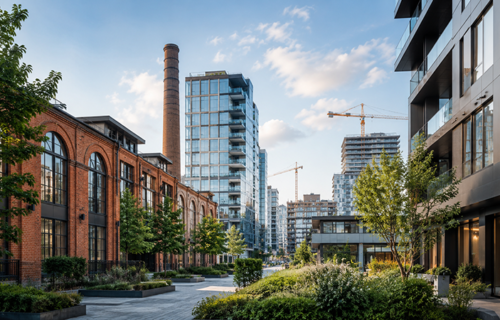
While new developments continue to play an important role in meeting demand for housing and commercial space, a growing share of capital is being directed towards the transformation of older properties, former industrial sites and underutilized urban areas. Investors increasingly view these projects as a way to unlock value while responding to changing market conditions and environmental objectives.
The shift is becoming visible across a range of property sectors. In office markets, landlords are investing in upgrades to maintain competitiveness as occupiers place greater emphasis on building quality, energy performance and workplace amenities. In residential markets, institutional investors are expanding professionally managed rental housing portfolios that often rely on modernization and operational improvements to enhance tenant experience and long-term asset performance.
The trend is also supported by wider changes in urban development strategies. Many European cities face growing pressure to increase housing supply while making more efficient use of existing infrastructure. Redevelopment projects offer an opportunity to create new residential, commercial and mixed-use space within established urban areas rather than relying solely on outward expansion.
Recent fundraising activity highlights the increasing attention being paid to regeneration projects. Investors are backing strategies focused on transforming former industrial and brownfield locations into new urban districts that combine housing, workplaces, services and public spaces. The growing availability of capital for such projects suggests that regeneration is becoming an increasingly important segment of the investment market.
Technology is playing a supporting role in this transformation. Property owners are introducing systems that improve the operation and management of buildings without requiring major structural changes. Digital access solutions, building management platforms and tools that support the use of shared spaces are becoming more common across residential, office and mixed-use developments.
According to Maciej Grabowski, founder of Blue Bolt, occupier expectations are becoming increasingly similar across property sectors.
“In practice, we are seeing a gradual blurring of boundaries between real estate segments. Solutions that work well in office buildings are moving into residential projects, while functions traditionally associated with housing or hospitality are increasingly appearing in commercial assets,” he said.
The growing adoption of such solutions reflects changing expectations among tenants and residents, who increasingly value convenience, flexibility and ease of use regardless of the type of building they occupy.
The private rented sector is expected to be one of the areas where these changes become particularly visible. Institutional rental housing continues to expand across Poland and other Central European markets, creating demand for technologies and management systems that support larger residential portfolios. According to market estimates, the number of professionally managed rental apartments in Poland is expected to continue growing over the coming years as institutional investors increase their presence in the sector.
Sustainability considerations are also contributing to the focus on existing assets. Redeveloping and modernizing buildings can help reduce the environmental impact associated with demolition and new construction while improving energy efficiency and extending asset life cycles. As environmental regulations become more demanding and occupiers place greater importance on sustainable buildings, refurbishment is increasingly becoming part of long-term investment strategies.
“The way buildings are assessed is changing. Beyond location and design, investors and occupiers are paying more attention to how buildings function on a daily basis and how effectively they respond to user needs. Technology should support the building and its users rather than require major alterations to the property itself,” Grabowski added.
Although new construction will remain essential in many markets, the growing emphasis on upgrading existing assets suggests that redevelopment and modernization will play an increasingly important role in shaping European cities. For investors, owners and occupiers, the focus is gradually shifting from simply creating new space to improving the quality, efficiency and usability of buildings that already exist.