Prague Office Market Enters 2026 with Tight Supply and Continued Demand

The Prague office market is entering 2026 with limited new supply and vacancy at its lowest level in several years, while occupier demand remains active despite constrained availability.

At the end of 2025, approximately 263,000 sqm of office space across 13 projects was under construction in Prague. However, most of this pipeline is scheduled for completion in 2028, meaning that supply pressures are expected to persist in the near term.

Only around 26,600 sqm of office space was completed in 2025, making it one of the weakest delivery years on record. Of the five projects delivered, four were refurbishments or reconstructions. The only newly built office scheme completed during the year was PernerKarlín, which was fully pre-leased shortly after construction began in 2023.

Although construction activity has increased, only four projects totalling approximately 30,400 sqm of vacant space are currently scheduled for completion in 2026. A similar level of vacant space is expected in 2027, although total completions may be higher due to pre-leased or owner-occupied schemes.

“Hope for the market lies in projects in the pipeline. Projects that could be started in 2026 and completed in 2028 represent a total of 151,500 m². However, nothing is certain, as developers often adjust their schedules. Still, some of them have already started extensive preparatory work in certain locations, such as Penta Real Estate’s Vinohradská project or Passerinvest Group’s Sequoia project,” said Josef Stanko, Director of Market Research at Colliers.

Total modern office stock in Prague reached approximately 3.94 million sqm at the end of 2025, spread across more than 470 buildings. This represented a slight year-on-year decline, largely due to several properties being withdrawn from the market following changes in use. With new construction unable to offset these reductions, vacancy fell to 5.9%, its lowest level since early 2020.

In Prague’s largest office districts, including the city centre, Karlín, Pankrác, Holešovice and Brumlovka, vacancy levels are reported to range between roughly 3% and 5.5%, reflecting particularly tight availability in established submarkets.

Leasing activity remained robust in 2025. Gross take-up reached approximately 573,400 sqm, making it one of the strongest years on record. A notable component of activity came from owner-occupiers, particularly financial institutions and energy group ČEZ, which have initiated construction of their own headquarters or campuses.

Net take-up, including new leases, expansions and pre-leases, amounted to 307,300 sqm, accounting for just over half of total leasing volume. The overall level of net demand was broadly comparable to 2024.

Given the limited availability of alternative space, market observers expect lease renegotiations to account for a significant share of activity in 2026.

Sustainability certifications are increasingly regarded as a standard requirement rather than a differentiating feature. LEED certification is typically associated with new developments, while BREEAM In-Use is widely applied to existing buildings.

“Certifications are no longer a marketing tool, but a standard expected by tenants and investors alike. Buildings without a clearly defined sustainability strategy will find it increasingly difficult to compete, especially if they are targeting the highest rents and the best clientele,” added Josef Stanko.

Prime headline rents in Prague’s city centre remain around €30 per sqm per month. In established inner-city districts such as Karlín, Smíchov and Pankrác, rents are reported at approximately €20.50 per sqm per month, while outer locations average around €16.50 per sqm per month.

“Based on ongoing transactions and proposed rents in upcoming projects, it is likely that rents in and around the city center will increase, but only to the extent that demand allows. So far, there have been few such cases,” Stanko said.

With limited short-term supply and continued occupier activity, rental levels are expected to remain stable, with potential for selective upward pressure in prime locations.

Source: Colliers

Rohlig SUUS Logistics Expands to 48,000 sqm at ELI Warsaw Airport Janki

European Logistics Investment (ELI) has concluded a lease renewal and expansion agreement with Rohlig SUUS Logistics at Warsaw Airport Park in Janki. Following the agreement, the tenant will occupy approximately 48,000 sqm at the scheme.

Under the terms of the lease, Rohlig SUUS Logistics has extended its commitment for 15 years and will increase its space by around 8,000 sqm, consolidating its operations within the park’s north building and becoming its sole occupier. The agreement also includes joint investment in operational and sustainability upgrades, including photovoltaic panels and infrastructure for electric truck charging. An option for further expansion within ELI’s portfolio has also been secured.

The facility serves as one of the company’s key logistics hubs in the Warsaw region, combining warehousing and cross-docking functions. The property includes a cross-dock area, a high-bay warehouse, and a three-level office building used as a logistics headquarters.

“At Rohlig SUUS Logistics, we consistently invest in modern logistics infrastructure, expanding our capabilities in warehousing and road distribution. The expansion of our Janki branch by an additional 8,000 sqm aligns with this strategy and strengthens the operational capabilities of our entire warehouse network in Warsaw. This strategic location enables efficient service of the local market as well as the execution of both domestic and international transport. Warsaw and its surrounding areas remain one of the country’s key economic hubs, developing dynamically and attracting both local investors and international players, which translates into sustained high demand for advanced logistics services,” said Tomasz Chmielewski, Real Estate Director at Rohlig SUUS Logistics.

ELI Warsaw Airport Janki comprises two Grade A warehouse buildings totaling approximately 72,260 sqm of gross leasable area. The park is located in Janki with access to the A2 and S8 expressways, approximately 18 km from Warsaw Chopin Airport and less than 10 km from central Warsaw.

“This transaction reflects two major trends shaping Poland’s logistics market: sustained demand for modern warehouse space and a clear shift toward tenants prioritizing facilities tailored to their operational needs rather than speculative expansion. By co-investing in tailored upgrades, we ensure this asset meets the highest standards and supports Rohlig SUUS Logistics dynamic growth. This approach reflects ELI’s strategy of combining prime locations with flexibility and innovation to deliver long-term value for our partners,” said Pieter Prinsloo, Chief Executive Officer at European Logistics Investment.

Kamco Invest doubles annual profit in 2025, plans cash dividend

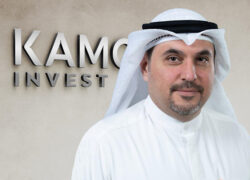
Kuwait-based investment manager Kamco Invest reported a sharp increase in earnings for the year ended 31 December 2025, supported by higher revenues and expanded activity across its core business lines.

Net profit reached KWD9.2 million in 2025, more than double the KWD4.4 million recorded a year earlier. Earnings per share rose accordingly to 26.78 fils, compared with 12.72 fils in 2024. The company’s board has proposed a cash distribution of 10 fils per share, subject to shareholder approval.

Total income climbed to KWD33.7 million from KWD25.4 million in the previous year. Revenue generated from advisory mandates, asset management fees and related services continued to represent the largest share of the group’s income, increasing year-on-year and accounting for more than half of total revenues.

The 2025 result included the benefit of a positive legal settlement. At the same time, operating costs increased due to the launch of a new strategic platform during the year, which required upfront investment. Management said the initiative is intended to strengthen recurring income streams over the longer term.

Assets under management rose to USD16.5 billion at year-end, up by nearly USD630 million compared with 2024. During the year, the firm mobilised more than USD1.5 billion across various investment vehicles and transactions.

In capital markets advisory, Kamco Invest completed 14 transactions with an aggregate value of USD7.0 billion. These included a series of debt issuances for financial institutions and corporates across Kuwait and other Gulf markets, as well as a liquidity-related mandate for a local company.

The alternatives division, covering real estate, private equity and structured strategies, continued to broaden its footprint. The company distributed USD82 million to investors during the year and launched new initiatives, including a European logistics platform in which it holds a controlling interest. The business also expanded into private credit linked to real estate developments and entered a partnership with a US-based asset manager to develop leasing-focused credit strategies.

In technology-focused investments, the group advanced its exposure through a US-oriented fund targeting high-growth companies. It also introduced a pre-IPO vehicle dedicated to Gulf-based technology businesses and completed investments in Saudi Arabia’s Foodics and Unifonic. In addition, one of its private equity funds exited a stake in Turkish fashion brand Yargici.

The brokerage subsidiary, First Securities Brokerage Company (Oula Wasata), reported a significant rise in trading volumes, benefiting from stronger activity on Boursa Kuwait. The unit also secured regulatory approval to operate under an enhanced broker status.

Shareholders’ equity stood at KWD69.5 million at the end of 2025. Credit ratings assigned by Capital Intelligence were reaffirmed during the year with a stable outlook.

Commenting on the results, Chairman Sheikh Talal Ali Abdullah Al Jaber Al Sabah said the company’s emphasis on stable, service-driven income had helped reinforce its position during a period of market uncertainty. Chief Executive Officer Faisal Mansour Sarkhou added that the performance reflected growth across business lines, geographic expansion and continued collaboration with Burgan Bank, which became the owner of Kamco Invest’s parent entity in early 2025.

Kamco Invest, founded in 1998 and listed on Boursa Kuwait since 2003, operates across asset management, investment banking and brokerage services, with activities spanning several regional financial centres.

Rising Tensions Around Iran Reshape Investor Sentiment

The latest military escalation involving Iran has injected a renewed layer of uncertainty into global financial markets, prompting investors to reassess risk exposure and asset allocation strategies. While the immediate reaction has been concentrated in energy markets and traditional safe-haven assets, the broader implications for equities, bonds and currencies will depend largely on whether the situation stabilises or deteriorates further.

Oil prices moved sharply higher following reports of strikes in the region, reflecting concern that instability could threaten supply routes in the Gulf. The Strait of Hormuz, a narrow passage through which a significant share of global crude shipments passes, has become central to investor calculations. Even without physical disruption to energy flows, markets have begun to incorporate a higher geopolitical premium into pricing. Analysts note that commodity markets often react pre-emptively to perceived risks, particularly when key transport corridors are involved.

Higher energy prices have a dual effect. In the short term, producers and energy-related companies tend to benefit from improved revenue expectations. At the same time, more expensive oil can translate into renewed inflationary pressures, particularly in economies dependent on imported fuel. If sustained, this dynamic could complicate the path of interest rate adjustments in major economies, especially where central banks were previously expected to ease policy.

Beyond commodities, investor behaviour has followed a familiar pattern during periods of geopolitical strain. Demand has increased for assets traditionally viewed as defensive, including gold and high-quality sovereign bonds. This shift suggests a preference for capital preservation over growth exposure. Government bond yields have softened as investors seek safety, while the US dollar has strengthened against several currencies, underscoring global risk aversion.

Equity markets have reacted unevenly. While some major developed indices have shown resilience, volatility has increased and sectors sensitive to global trade and consumer sentiment have faced pressure. Emerging markets, particularly those reliant on energy imports or external financing, appear more vulnerable to prolonged instability. Market strategists caution, however, that geopolitical shocks often trigger sharp but temporary corrections unless they materially alter economic fundamentals.

In contrast, companies operating in defence and security-related industries have drawn renewed investor interest. Expectations of higher government spending in response to heightened security risks have supported valuations in that segment. Energy infrastructure and logistics firms have also benefited from expectations of tighter supply conditions and elevated transport risk.

Currency markets reflect similar dynamics. Commodity-exporting economies have seen relative support, while currencies of import-heavy nations have come under pressure. Credit markets have also shown signs of caution, with investors demanding slightly higher compensation for risk in lower-rated debt.

The medium-term outlook hinges on the trajectory of the conflict. If hostilities remain contained and energy shipments continue uninterrupted, markets may gradually retrace initial moves as uncertainty fades. However, a broader escalation or disruption to oil infrastructure would likely intensify inflation concerns, weigh on global growth expectations and amplify volatility across asset classes.

For now, the prevailing view among investment professionals is that markets are pricing in risk rather than responding to confirmed supply shocks. As a result, positioning remains fluid and highly sensitive to headlines. Investors are watching diplomatic signals, military developments and energy flow data closely, recognising that the balance between containment and escalation will determine whether the current turbulence proves temporary or evolves into a more persistent market recalibration.

Source: CIJ.World Research & Analysis Team Asia

Disclaimer: This article is for informational purposes only and does not constitute legal, regulatory or professional advice.

PRIMESTAR Group Opens June Six Salzburg in Partnership with SORAVIA and Marriott International

PRIMESTAR Group has announced the opening of June Six Salzburg, Tribute Portfolio Hotel, scheduled for 1 March 2026. The project has been developed in cooperation with SORAVIA and will operate under Marriott International’s Tribute Portfolio brand.

The property, located in central Salzburg, was previously known as Mayburg Salzburg – Tribute Portfolio Hotel. It will undergo rebranding and design adjustments to align with PRIMESTAR’s June Six brand concept, positioned around the “travel.work.live.” approach. Through its affiliation with Marriott’s Tribute Portfolio, the hotel will combine independent brand identity with access to Marriott’s global distribution and loyalty platforms.

“The June Six Salzburg marks a significant leap in our brand’s growth and global presence,” said Ronald Giese, Managing Director of PRIMESTAR. “By partnering with SORAVIA Group and affiliating with Marriott’s Tribute Portfolio, we can fuse our independent design DNA with Marriott’s world-class distribution and loyalty reach. This strategic collaboration allows us to reimagine the boutique hotel experience while staying true to what makes June Six distinct.”

The 88-room hotel will offer updated interiors featuring contemporary design elements, locally inspired artwork and sustainable materials. Guest amenities will include box-spring beds, Nespresso machines, high-speed Wi-Fi, digital check-in via WhatsApp and flexible workspace areas. The property will continue to provide a digital guest journey, including contactless booking and mobile check-in, alongside on-site concierge-style services.

Dr. Roland Rausch, Chairman and owner of PRIMESTAR Group, said: “This partnership unites three strong forces: PRIMESTAR’s operational excellence, Soravia’s deep real estate expertise, and Marriott’s global hospitality leadership. The Tribute Portfolio affiliation strengthens the international visibility of June Six while preserving our individuality and lifestyle focus.”

Erwin Soravia, CEO of SORAVIA, added: “With June Six Salzburg, we are redefining what lifestyle hospitality means in Salzburg, combining local authenticity with international appeal. This project aligns perfectly with our vision of creating inspiring and sustainable destinations across Europe.”

The opening represents the continued expansion of the June Six brand within the Austrian market under Marriott’s Tribute Portfolio network.

CA Immo Achieves Full Pre-Leasing at Berlin’s Anna Lindh Haus Ahead of Completion

CA Immo has signed two long-term leases at its Anna Lindh Haus development in Berlin’s Europacity submarket, bringing the project to 100% pre-leased more than one year before its planned completion.

The two agreements total approximately 16,700 sqm. Tenant occupation is expected in the first half of 2027, with construction progressing on schedule and within budget. The property is projected to generate annualised gross rental income of approximately €7.9 million upon completion.

With this transaction, CA Immo has now achieved full pre-leasing across its entire Berlin development pipeline currently under construction, which comprises approximately 62,500 sqm across three projects. The announcement follows the recent signing of a long-term lease for around 11,500 sqm at the Karlsgärten redevelopment project near Potsdamer Platz.

The future tenants at Anna Lindh Haus are described as established occupiers from sectors including technology and energy infrastructure. JLL acted as exclusive leasing advisor to CA Immo.

Keegan Viscius, CEO of CA Immo, commented: “The successful pre-leasing of Anna Lindh Haus is another milestone in the progress of CA Immo’s active development pipeline in Berlin – with 62,500 sqm of projects under construction, we have now achieved 100% pre-leasing across all three projects ahead of business plan and before completion. This achievement is proof of concept that there remains a deep pool of institutional occupiers ready to commit to long term office occupation in prime A class properties with high sustainability features, quality certification, and excellent accessibility, and in CA Immo’s correct portfolio positioning and in-house team’s ability to capture this demand on attractive terms.”

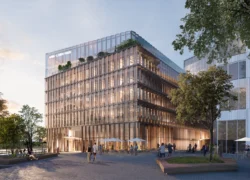
Anna Lindh Haus is located on Jean-Monnet-Straße in Berlin’s Europacity district, directly opposite Berlin Central Station. The seven-storey office building, designed by Dorte Mandrup Architects, will provide approximately 17,400 sqm of gross floor area above ground and around 16,900 sqm of rental space including terraces. The scheme includes underground parking and dedicated bicycle facilities.

The building is being constructed using a wood-hybrid method. According to the developer, this approach is expected to reduce embodied carbon by approximately 30% compared with conventional construction. The property will operate fully electrically, with energy intensity projected to be around 70% lower than comparable buildings. Approximately 20% of electricity demand is expected to be generated onsite through rooftop photovoltaic systems, alongside rainwater reuse systems. The project is targeting DGNB Platinum, WELL Core Platinum and WiredScore Platinum certifications.

Further development is planned in the Europacity area, including the Alexander von Humboldt Haus, a waterfront office project of approximately 6,500 sqm that could start construction in 2026, as well as two additional projects totalling around 28,800 sqm with potential starts in 2029 and 2030. Public realm improvements around Europaplatz, including additional greening measures, are also planned.

Union Investment Sells Copyright Building in Central London to Ares

Union Investment has agreed to sell the Copyright Building in London to Ares Real Estate funds, affiliates of Ares Management Corporation. The transaction has been signed and is expected to close in March. Financial details were not disclosed.

Union Investment held the property for nearly ten years within its open-ended public real estate fund, UniImmo: Europa. The asset has been sold at book value. The building provides approximately 10,000 sqm of office and retail space across eight floors and is located in Fitzrovia, within London’s West End office market. It is close to three underground stations and holds a BREEAM Excellent certification.

The sale follows Union Investment’s disposal of Finsbury Circus House to an Australian joint venture, marking its second exit from the London market in the past seven months.

“Institutional and private capital is increasingly looking to enter Central London. This is a good time to create more room for maneuver for our European real estate funds through strategic sales,” said Jacob Thompson, Senior Investment Manager UK & Ireland at Union Investment.

Union Investment acquired the building in 2017 following its completion. The property was let on a long-term lease and has generated stable income during the holding period.

“We acquired the Copyright Building immediately after its completion in 2017 with a long-term lease that has provided our private investors with strong and stable cash flow for almost a decade. Given the shortening remaining term of the leases, the timing of the sale is well chosen. We intend to reinvest the capital available from the recent sales and are actively seeking new attractive investment opportunities in London, specifically for our UniImmo: Deutschland fund,” said Adam Irányi, Head of Investment Management Global at Union Investment.

From the buyer’s side, Ares indicated that the acquisition aligns with its current strategy in the London office market.

“We believe the acquisition of the Copyright Building is consistent with our thesis focused on high quality, well-located assets benefiting from the powerful rental growth we have seen in many of the Central London sub-markets,” said Wilson Lamont, Partner and Co-Head of European Real Estate at Ares.

Union Investment was advised on the transaction by Savills and Knight Frank.

Slovakia’s housing affordability squeeze set to dominate residential market in 2026

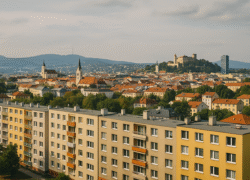
Housing affordability is emerging as one of the defining structural pressures facing Slovakia’s residential market in 2026. Although buyer activity has begun to recover and financing conditions have improved compared with the peak of the interest-rate cycle, the widening gap between housing costs and household earnings is increasingly shaping market behaviour, investor strategy and policy focus.

European benchmarking continues to place Slovakia among the least accessible homeownership markets when measured against income levels. Comparative analysis indicates that Slovak households require roughly fourteen years of gross salary to purchase a standardised new dwelling, with Bratislava ranking among the most challenging capitals on the same measure. The trend reflects a long-term shift rather than a temporary market distortion, as the financial threshold for entering the ownership market has risen steadily over the past decade.

The affordability squeeze has been reinforced by the recent trajectory of residential prices. Official statistics confirm that dwelling prices in Slovakia still recorded double-digit year-on-year growth during parts of 2025, including a 13.4 percent increase in the third quarter. In Bratislava’s new-build segment, average asking prices reached approximately €5,600 per square metre toward the end of the year. Market evidence suggests demand has increasingly tilted toward smaller units, indicating that buyers are actively adjusting to tighter purchasing capacity.

International institutions continue to flag valuation risks. The International Monetary Fund has noted that Slovak housing prices remain somewhat elevated relative to fundamentals by some measures, while affordability indicators remain stretched compared with European peers. Although mortgage conditions have improved and banks remain active lenders, the easing in financing has not been sufficient to fully offset the structural affordability gap facing first-time buyers and middle-income households.

The impact is becoming visible beyond the for-sale market. Slovak housing policy documents highlight particularly strong demand for rental accommodation in Bratislava and other major cities, while the supply of regulated or publicly supported rental housing remains limited. As ownership becomes less attainable for a portion of households, this imbalance is reinforcing pressure in the private rental segment.

At the same time, macroprudential policy continues to reflect official concern. The National Bank of Slovakia has maintained borrower-based limits on loan-to-value, debt-to-income and debt-service ratios in response to risks in the residential market. These measures underline the authorities’ focus on containing household leverage in an environment of elevated housing costs.

Slovakia’s affordability challenge appears structural rather than cyclical. Even if price growth moderates during 2026, the accumulated gap between values and incomes is likely to remain a key constraint on transaction volumes and buyer mobility. For developers, lenders and investors, the market is entering a more selective phase in which pricing discipline, product sizing and financing sensitivity will play a greater role in determining absorption and liquidity.

Source: cij.world research & Analysis Team

Amendment to Building Act Eases Development of Corporate Solar Projects in Czechia

An amendment to the Czech Building Act that came into force at the beginning of this year is expected to simplify the installation of photovoltaic systems within existing industrial, logistics and commercial sites. According to solar developer Greenbuddies, the legislative change is already contributing to increased interest from companies seeking to generate electricity for their own use.

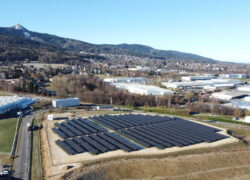
The amendment allows photovoltaic systems intended for self-consumption to be built on existing roofs, parking areas and operational spaces without requiring complex zoning plan amendments. If at least half of the suitable space on corporate sites were used, installations could reach a combined capacity of up to 1,000 MW, roughly equivalent to one unit of the Temelín nuclear power plant.

“The amendment to the Building Act significantly expands the possibilities for companies to efficiently produce their own electricity directly on their premises. Photovoltaic power plants intended for own consumption are no longer considered new developments, and companies can thus use not only the roofs of production and logistics halls, but also handling areas and parking lots without unnecessary administrative obstacles,” said Dan Štajner, Commercial Director of Greenbuddies.

The company noted that previous regulatory ambiguities had delayed certain projects. In 2024, a planned photovoltaic installation at a metallurgical supplier’s site in Liberec was halted due to differing interpretations of the law. Following the amendment, the project can now proceed. According to Greenbuddies, clearer and more consistent rules should reduce similar delays in the future and support broader deployment of corporate solar capacity.

Greenbuddies has implemented rooftop photovoltaic projects at several industrial and logistics facilities in Czechia, including a system at a production site in Pardubice using lightweight panel technology and an installation at a logistics park in Olomouc supplying renewable electricity to tenants. “In many European Union countries where we install solar projects, we see that simple legislation has been in place from the outset, or that countries have moved more quickly than we have in Czechia to simplify it,” Štajner added, noting that the Czech framework has now become more comparable.

In addition to rooftop systems, the amendment supports the development of solar carports, which combine vehicle shelter with electricity generation. Greenbuddies has delivered such projects in Czechia and abroad, including installations in Austria with a combined capacity of 4.67 MWp. In Czechia, the company has completed one of the early solar car park projects at a beverage production site in Prague.

The legislative changes also clarify rules for battery energy storage systems. Installations are now categorised according to capacity and grid connection. Smaller systems of up to 100 kW are treated as minor structures that do not require a building permit or final approval. Systems between 100 and 250 kW require a building permit but not final approval, while larger installations, including those connected to the transmission network, require both. Energy storage facilities above 100 kW are now classified as structures in the public interest and may be located outside built-up areas unless restricted by local zoning plans.

According to Greenbuddies, the revised framework provides greater predictability for project planning and may accelerate investment in on-site renewable generation and storage across the corporate sector.

mBank to Relocate Wrocław Corporate Branch to Infinity Office Building

mBank S.A. has signed a lease for nearly 1,300 sqm of office space in the Infinity office building in Wrocław, located at ul. Legnicka 16. The bank plans to relocate its largest corporate branch in Lower Silesia to the new premises in January 2027. The space will be situated on the fourth floor of the building and will accommodate corporate banking operations, a private banking branch and mLeasing.

mBank, which has operated since 1986 and has been listed on the Warsaw Stock Exchange since 1992, serves 5.7 million retail clients and 36,000 corporate clients. The bank maintains corporate branches and offices in more than 40 Polish cities and has also operated in the Czech Republic and Slovakia for 18 years.

Infinity is owned by Avestus Real Estate and Alchemy Properties. Commenting on the transaction, Marta Kiernicka-Szarska, Wrocław Leasing Director at Avestus Real Estate in Poland, said: “I am delighted that Infinity continues to attract such recognisable and opinion-leading brands that are leaders in their respective industries. mBank S.A. is an exceptionally strong and innovative institution that has been setting standards in digital banking for years. I am therefore confident that our development, distinguished on the market by its architecture, location and technological solutions, will fully meet the needs of the new tenant.” She added that the office would be adapted to the bank’s operational requirements and equipped with appropriate technical systems.

Kiernicka-Szarska also noted that the leasing process was based on clear expectations and cooperation between both parties. “From the very beginning of the leasing process, mBank clearly defined its expectations towards this space. Thanks to open and transparent communication and the commitment of both parties, we were able to develop solutions that fully meet the client’s needs,” she said.

Katarzyna Wiśniewska, Director of the Corporate Branch for Large Enterprises at mBank S.A. in Wrocław, stated that the relocation would consolidate teams on a single floor and support day-to-day collaboration. “In the near future, mBank employees will move into a modern office that will significantly improve working comfort and streamline daily collaboration. All teams will be located on a single floor, which will accelerate information flow and facilitate joint project work,” she said. She added that the new office would provide updated technological infrastructure and enhanced security standards.

Infinity is a seven-storey Class A office building offering 18,727 sqm of office space and 1,561 sqm of retail and service space. The building includes rooftop terraces, a lobby with indoor greenery and a digital building management platform available to tenants. It also provides a three-level underground car park with 311 spaces, electric vehicle charging points and cycling facilities.

The project was developed by Avestus Real Estate in cooperation with Alchemy Properties and has been certified under BREEAM Excellent and WELL Health-Safety standards. The architectural design was prepared by AD Studio and the general contractor was Eiffage Polska Budownictwo. JLL acted as leasing agent.

front page info
LATEST NEWS