AGISTA secures ASF authorization as an alternative investment fund

AGISTA, a Romanian alternative investment fund focused on growth equity and backed by private capital, has received official authorization from the Financial Supervisory Authority (ASF). This regulatory approval allows the fund to operate as an authorized alternative investment fund, providing it with a formal legal status under Romanian and European capital market standards.

With this authorization, AGISTA aims to expand its ability to support Romanian small and medium-sized enterprises (SMEs), particularly those with strong growth potential and strategic relevance. The fund targets investments in sectors such as information technology, healthcare, cybersecurity, and other niche areas. It typically provides investment tickets ranging between €2 million and €5 million, alongside advisory support in business development and strategic planning.

AGISTA is led by a team of Romanian professionals with experience in investment and management. Key board members include Anca Manițiu, Andrei Cionca, and Dragoș Dărăbuț. The authorization process was managed by Alexandra Zipiș, Senior Legal Advisor, who emphasized the importance of operating under a stable and transparent legal framework in compliance with regulatory standards.

The fund operates as a strategic minority investor, seeking to contribute to the growth of local businesses by combining financial backing with operational and strategic guidance.

Recent activity includes increasing its equity stake in the Romanian cybersecurity firm Fort and acquiring a significant minority interest in the medical services provider Centrokinetic in late 2023. Since then, Centrokinetic has expanded its network with five new clinics, reaching a total of eight locations across major Romanian cities.

Since its inception, AGISTA has made investments in several Romanian companies, including Eplus Smart Energy, Dendrio Solutions, Fort, Top Tech, Bittnet Group, and Centrokinetic.

Redkom Development begins expansion of Ozimska Park in Opole

Redkom Development has commenced the second phase of construction at Ozimska Park in Opole, which will add 1,200 sqm of new leasable space to the retail complex. The expansion will include new stores from established brands such as CCC, Worldbox, and Dr Materac.

Completion of the construction and the opening of the expanded retail space is scheduled for the fourth quarter of 2025. Once finalized, Ozimska Park will offer more than 18,000 sqm of gross leasable area.

Located at 72 Ozimska Street, the retail park is situated in a commercial zone near the city center of Opole, directly next to Provincial Road No. 423. It benefits from strong accessibility, including a network of 11 bus lines and a parking area for approximately 500 vehicles.

Ozimska Park originally opened in November 2023 and is currently home to a variety of national and international tenants, including Jula, Vive Profit, Woolworth, Kaufland, NKD, Media Expert, Orange, Hendi, TEDi, Pepco, Dealz, Sinsay, Przyjazna Apteka, Carry, Itaka, Rossmann, Żabka, Piekarnia Hert, and Sphinx.

The property is owned by Newgate Investment, which acquired Ozimska Park from Redkom Development in 2024. Newgate Investment manages a portfolio of 35 retail parks across Poland, focusing on long-term asset management and value generation within the retail real estate sector.

Kosovo completes IMF support programs with strong economic performance and reform progress

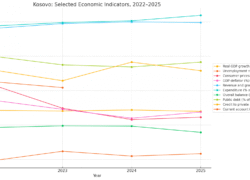
Kosovo has successfully concluded its Stand-By Arrangement (SBA) and Resilience and Sustainability Facility (RSF) with the International Monetary Fund (IMF), marking a pivotal milestone in its macroeconomic stabilization, fiscal reform, and green transition strategies. The final review by the IMF Executive Board in May confirmed that all program targets had been met, enabling the disbursement of approximately €25.4 million across both arrangements. This positive conclusion reflects Kosovo’s commitment to prudent fiscal management and structural reforms, even amid geopolitical uncertainty and external economic headwinds.

The SBA, which the authorities treated as precautionary, was instrumental in anchoring Kosovo’s macroeconomic framework. It supported the country in maintaining low fiscal deficits and public debt while enhancing fiscal transparency and crisis preparedness. Simultaneously, the RSF facilitated reforms aligned with Kosovo’s 2030 climate targets and broader energy transition plans, including investments in renewable energy and efficiency improvements .

Strong Macroeconomic Fundamentals in 2024

Kosovo’s economic performance in 2024 was notable. Real GDP expanded by 4.4%, supported by robust private consumption, real wage growth, and dynamic credit expansion. Household consumption alone contributed nearly five percentage points to GDP growth, while increased public and private investment, particularly in real estate and infrastructure, added further momentum .

Inflation, a concern in previous years, decelerated significantly. Average consumer price inflation fell to 1.6% in 2024, down from 4.9% in 2023 and 11.6% in 2022. This decline was largely attributed to lower food and energy prices. However, a slight rebound in inflation was recorded in early 2025 due to higher food prices and a 16% increase in electricity tariffs .

Despite these achievements, Kosovo’s current account deficit widened to 9% of GDP, driven by rising imports and slowing remittance inflows. Export performance was dampened by weak external demand, particularly in minerals and metals. The fiscal deficit remained modest, and public debt declined to 16.9% of GDP in 2024, well below regional averages .

Fiscal Discipline and Investment in Human Capital

The fiscal strategy under the SBA emphasized sound budgeting, targeted investment, and enhanced revenue collection. Stronger tax administration, including measures to reduce smuggling and improve compliance, led to higher revenues. Non-tax income also rose due to increased central government fees. Capital investment execution improved significantly, reaching 76% of planned allocations, compared to 65% in 2022 .

Social support measures were balanced with fiscal prudence. While there were increases in pensions and a one-off child allowance, current expenditures were carefully managed. Public investment in infrastructure and human capital continues to be prioritized to meet Kosovo’s long-term development goals .

The IMF praised Kosovo’s adherence to its rules-based fiscal framework and called for its continued alignment with EU norms. Efforts to reform compensation systems, increase targeting of social benefits, and strengthen public investment management remain central to medium-term fiscal planning .

Advancing Financial Sector Reforms

Kosovo’s financial sector remains stable, with banking institutions showing solid capitalization, profitability, and liquidity. Private sector credit grew by 18.3% in 2024 and is expected to continue expanding in 2025, though at a slightly slower pace. The Central Bank of Kosovo (CBK) has improved risk monitoring capabilities and is developing tools to address systemic liquidity and macroprudential concerns .

Under the SBA, the CBK adopted a Supervisory Review and Evaluation Process (SREP) to assess the risk profile of financial institutions. It also supported financial inclusion by encouraging commercial bank expansion in northern Kosovo. The number of bank branches in the region rose from four to twelve within a year, enhancing access to finance .

Efforts are underway to integrate Kosovo’s financial system more closely with European frameworks. In late 2024, Kosovo submitted its SEPA pre-application and joined the regional instant payments initiative (TIPS Clone) led by the Bank of Italy, aimed at enabling seamless cross-border transactions in the Western Balkans .

Green Transition and Climate Resilience

A hallmark of the RSF arrangement has been Kosovo’s progress in accelerating its green transition. Two major renewable energy auctions—150 MW of wind and 100 MW of solar—are set to double the country’s renewable generation capacity. These projects, alongside the integrated electricity market with Albania (ALPEX), position Kosovo as a regional player in clean energy .

The government’s 2022–2031 Energy Strategy and new climate law establish the framework for emissions reductions. Kosovo aims to cut emissions by 16% by 2030 and cover 35% of electricity consumption through renewables. Implementation of EU-aligned carbon policies and the Carbon Border Adjustment Mechanism (CBAM) preparedness have been supported with IMF technical assistance .

Energy efficiency is also a priority. The Kosovo Energy Efficiency Fund (KEEF), backed by €86 million in donor and institutional funding, is scaling up residential and public building retrofits. Reforms to improve pollution control at coal plants and launch new clean energy laws further illustrate the country’s commitment to climate goals .

Institutional Reforms and Governance

Kosovo’s structural reform agenda has expanded to improve public sector governance, boost competitiveness, and align with EU accession benchmarks. Actions include enhancing the integrity of the judiciary, implementing digitalization across public services, improving tax administration, and reducing informality in the economy .

To enhance policymaking, Kosovo is upgrading its statistical capacity. The IMF is assisting the Kosovo Agency of Statistics (KAS) to strengthen GDP measurement, produce a Residential Property Price Index, and move toward accrual-based government finance statistics aligned with EU standards .

Efforts to foster inclusive growth also continue. Initiatives to close gender gaps, raise labor force participation—especially among women—and invest in education and health are aligned with IMF recommendations. Reforms in human capital development are expected to improve employment prospects and long-term productivity .

Risks and Outlook

While the medium-term economic outlook is favorable, the IMF noted several downside risks. These include prolonged delays in government formation following the February 2025 elections, rising geopolitical tensions in the region, and external shocks such as higher global commodity prices or a slowdown in major European economies .

Inflation is expected to stabilize around 2.3% in 2025. Growth will likely remain robust, projected at 4% for the year. However, the current account deficit, while narrowing slightly due to lower commodity prices, remains structurally high. Sustained reform momentum and foreign investment, especially through EU integration, will be critical to mitigating vulnerabilities .

The IMF emphasized that Kosovo’s continued access to international financing, including diaspora capital, and resilience-building reforms will help safeguard economic stability. A potential financing gap of €50 million was identified under an adverse scenario involving energy or food price shocks .

Conclusion

The completion of Kosovo’s SBA and RSF reviews marks a significant achievement for the country’s macroeconomic stability and reform agenda. With fiscal prudence, ambitious climate action, and institutional strengthening, Kosovo is better positioned to address both its developmental needs and regional integration ambitions.

Looking ahead, the IMF’s engagement with Kosovo will continue through surveillance and capacity development. The Fund’s support has laid the groundwork for future growth, while reinforcing Kosovo’s ability to navigate global economic uncertainty and deliver inclusive, sustainable progress.

Atenor raises €45.3 million to support strategic plan and strengthen balance sheet

Atenor has completed a capital increase of €45.3 million through an accelerated private placement, issuing shares at €2.62 each. The capital injection aims to reinforce the company’s balance sheet and improve financial flexibility, supporting the implementation of its three-year strategic plan in a challenging real estate environment.

Announced earlier this year, Atenor’s 2025–2027 plan centres on three key priorities: advancing its residential and mixed-use development pipeline, consolidating its core office portfolio in major urban centres, and gradually reducing its exposure to the Central European office market.

The company reports progress in debt reduction, strategic project execution, and repositioning of its portfolio, aligning with its long-term objectives.

Atenor CFO Caroline Vanderstraeten stated that reducing debt remains a central objective as the company strengthens its financial structure to support its ongoing transformation. CEO Stéphan Sonneville noted that the early months of 2025 have confirmed the company’s direction, with a focus on strategic clarity and financial discipline to support renewed growth and long-term value creation.

NEMO Fund adds Panorama Business Center to Prague office portfolio

The NEMO Fund, a Czech investment vehicle focused on high-quality office properties in Prague, has expanded its portfolio with the acquisition of the Panorama Business Center. The office building, prominently located opposite the National Museum in the city centre, marks the fund’s ninth real estate investment and reflects its continued strategy of targeting stable, long-term income-generating assets.

The eight-story building offers direct access to the Muzeum metro station, serving lines A and C, along with convenient tram connections and proximity to Prague’s main railway station. The site also includes underground parking, adding to its accessibility and appeal for corporate tenants.

Key occupants of the Panorama Business Center include Všeobecná zdravotní pojišťovna (VZP), Takeda Pharmaceuticals, Kuroda Electric, and Sumitomo Corporation, among others. The building’s central location and high occupancy rate under long-term leases provide the fund with predictable rental income and reinforce its position in the Prague office market.

The transaction follows a period of growth for the NEMO Fund, which saw a 10.2% year-on-year increase in the number of investors. The rising interest has enabled the fund to secure additional capital, which it has deployed to expand its real estate holdings in line with its focus on stable returns from well-located office properties.

With this acquisition, the total value of the fund’s property portfolio rises to CZK 5.6 billion, covering a total leasable area of approximately 75,900 square metres. The fund now counts over 13,000 shareholders, reflecting growing confidence in its investment strategy amid a dynamic commercial real estate environment.

The addition of the Panorama Business Center further diversifies the NEMO Fund’s holdings while reinforcing its emphasis on prime assets with strong tenant profiles and reliable cash flow.

Colliers: Bucharest among the EU’s most dynamic industrial and logistics markets

Bucharest has emerged as one of the most dynamic industrial and logistics markets in the European Union, ranking 7th in terms of market activity and 5th for growth over the past decade, according to new data released by real estate consultancy Colliers. The city’s modern stock of leasable industrial and logistics space has grown from around 900,000 square metres in 2015 to over 3.6 million square metres in 2025, with the potential to reach 4 million by year-end.

This expansion places Bucharest alongside leading growth markets such as Szczecin, Gdansk, Kraków, Łódź, Stockholm, and Gothenburg. Despite broader economic uncertainty, the industrial and logistics sector continues to perform strongly, with the first quarter of 2025 recording a 50% increase in leasing activity compared to the same period last year.

“The industrial and logistics segment has become one of the most resilient and active areas within Romania’s real estate sector,” said Victor Coșconel, Partner and Head of Leasing for Office and Industrial Agencies at Colliers. He noted that while the western and north-western peripheries of Bucharest have historically been the centre of logistics development, interest is now shifting to the southern and eastern parts of the capital. These emerging areas offer lower land costs, improved labour availability, and increasingly favourable infrastructure.

Nationwide, Romania’s stock of modern industrial space has expanded significantly over the past decade, increasing from 1.6 million square metres in 2015 to more than 7.6 million in 2025. Much of this growth has taken place outside Bucharest, where the market has expanded from 700,000 square metres to nearly 4 million. Regional industrial hubs in Transylvania and southern Romania are benefiting from growing interest among manufacturers and logistics operators, who are drawn to these locations by competitive wages, larger labour pools, and ongoing infrastructure improvements.

Coșconel explained that the post-pandemic period has widened the growth gap between Bucharest and the rest of the country. “The expansion of manufacturing activity in regional cities has accelerated demand for modern logistics facilities, particularly in areas with strong road access and workforce availability,” he said.

Despite rapid development, Romania still offers room for further expansion compared to more mature regional markets such as Poland, the Czech Republic, and Hungary. One of Romania’s advantages is the high intensity with which it uses its industrial and logistics infrastructure. Colliers data shows that Romania exports over 7 million tonnes of goods for every 1 million square metres of leasable logistics space, compared to 6 million tonnes in Poland and 5 million in the Czech Republic.

In the first quarter of 2025, publicly recorded industrial and logistics leasing transactions totalled approximately 156,000 square metres. Notable deals included Delamode’s renegotiation and expansion of its 30,000-square-metre lease at CTPark Bucharest West, a 20,000-square-metre lease by automotive parts distributor NRF at MLP Bucharest West, and a 40,000-square-metre lease by Dutch retailer Action at WDP Dragomirești, marking its entry into the Romanian market.

Logistics firms accounted for more than half of the total leased space in Q1, followed by companies in the retail and automotive sectors. The steady demand from core logistics operators reflects confidence in the long-term potential of Romania’s strategic location, competitive costs, and access to the EU’s large consumer base.

Colliers cautions that while the outlook for the industrial and logistics segment remains strong, the market is not without risks. A mix of domestic and international uncertainties could affect short- and medium-term performance. Nevertheless, Romania’s core advantages—favourable labour productivity relative to wage levels and strategic proximity to key European markets—position the country well to continue attracting investment in the sector.

As developers and investors look ahead, Colliers expects Romania’s logistics landscape to remain one of the most active in the region. Strong fundamentals, ongoing infrastructure improvements, and rising domestic consumption are likely to support continued growth across both Bucharest and regional markets.

Retail deliveries surge in Romania, reaching 80% of 2024 forecast in just two months

The Romanian retail real estate market recorded a sharp increase in activity in April and May, with approximately 150,000 sq m of new retail space delivered during these two months. This represents 80% of the total retail space expected to be completed throughout 2024, according to data published by real estate consultancy Cushman & Wakefield Echinox.

The most notable delivery was Mall Moldova in Iași, a super-regional shopping centre that significantly contributed to the volume of newly completed retail space. There were no new retail project completions in the first quarter of the year, making the April–May period particularly active.

Following these developments, Romania’s modern retail stock has reached 4.7 million sq m, equating to a density of 250 sq m per 1,000 inhabitants. Despite recent growth, this remains one of the lowest ratios in both the European Union and the broader Central and Eastern Europe (CEE) region.

Looking ahead, developers have announced plans for more than 600,000 sq m of additional gross leasable area (GLA) to be delivered by the end of the decade. These projects aim to address the continued demand for modern retail formats and evolving consumer expectations.

Dana Radoveneanu, Head of Retail Agency at Cushman & Wakefield Echinox, highlighted that Romania’s retail market still holds substantial potential for growth. She noted that retail density remains below the European average in many Romanian cities, offering opportunities for new development. Radoveneanu added that future projects are expected to include mixed-use concepts and entertainment components, reflecting a broader shift in consumer preferences.

“The integration of digital technologies and the blending of online and offline retail channels are becoming crucial in the current market environment,” said Radoveneanu. “These elements are increasingly viewed as key differentiators in a competitive commercial landscape. At the same time, the steady increase in retail sales—especially in the non-food segment—encourages investor confidence, despite a volatile economic backdrop.”

Retail sales in Romania rose by 3.5% in the first quarter of 2025, driven primarily by a 7.8% increase in non-food product sales. By contrast, sales of food, beverages, and tobacco fell by 2% during the same period. According to Moody’s, retail sales in Romania are projected to grow at an average annual rate of 3% through 2030—significantly higher than the 1% forecast for the Eurozone.

Investor interest in the Romanian retail segment remains strong. Retail assets accounted for over €110 million in transactions during the first quarter of 2025, comprising more than 64% of total real estate investment volume for the period. All of the recorded transactions involved properties located outside the capital, Bucharest.

Rental levels for retail space remained stable in the first quarter. Prime rents in dominant shopping centres in Bucharest held steady at around €90 per sq m per month for ground-floor units between 100 and 200 sq m. High street retail rents were similarly unchanged, averaging €60 per sq m per month. In regional cities such as Cluj-Napoca, Timișoara, Iași, and Constanța, rents for comparable spaces ranged between €50 and €65 per sq m per month.

As Romania continues to attract retail development and investment, market fundamentals appear to support sustained growth. With modern retail density still below European benchmarks and positive retail sales trends in place, developers and investors are expected to remain active in both primary and secondary locations across the country.

European student housing emerges as strategic investment focus, PATRIZIA report shows

The student housing sector in Europe is undergoing a fundamental transformation, with Purpose-Built Student Accommodation (PBSA) becoming a focal point for institutional investors seeking resilient, inflation-protected, and high-yielding assets. According to PATRIZIA SE’s latest Student City Index, released in May 2025, the sector presents significant long-term opportunities driven by demographic trends, under-supply, and shifting preferences in higher education and urban living.

The report evaluates more than 180 cities across 21 European countries, offering a city-level assessment that aims to replace traditional country-wide analyses. This approach provides a more precise understanding of PBSA investment potential, reflecting local market conditions, demographic patterns, university quality, and supply-demand dynamics.

PBSA: From Student Unions to Institutional Portfolios

The landscape of student housing has changed significantly over recent decades. Traditional student accommodation—typically managed by universities and known for its low-cost and basic design—has evolved into a professionalised, experience-driven product. Today’s PBSA developments offer higher quality, amenity-rich environments designed to appeal to both domestic and international students.

With short tenancy durations that allow for regular rent adjustments, PBSA provides strong inflation protection and superior income growth potential compared to traditional multifamily housing. In addition, higher education in developed economies tends to be counter-cyclical, with weaker labour markets pushing more individuals into education, which in turn supports stable housing demand.

Demographics and Demand Fuel Growth

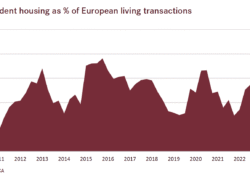
One of the key drivers of PBSA investment is a significant supply-demand imbalance. Many European cities have insufficient dedicated student housing, particularly for the growing population of international students who often struggle to access conventional rental markets. The rise in global student mobility, combined with continued demand for higher education, underscores the need for institutional-quality accommodation.

Yet the availability of PBSA varies greatly. The report’s provision rate data show wide discrepancies between countries, with the UK and Ireland leading in supply, while Germany, Poland, Czechia, and Italy lag significantly behind. Participation rates in higher education have generally risen across Europe, reinforcing this underlying demand trend.

A Bespoke, City-Level Investment Approach

While national trends are important, the report emphasises the critical need for investors to adopt a city-specific strategy. PBSA assets are highly dependent on local context—student population size, university quality, lifestyle offerings, housing availability, and employment opportunities all influence demand.

Cities with large, diverse student populations, high levels of international enrolment, strong academic reputations, and vibrant urban amenities are prime candidates for PBSA development. These cities not only offer better tenant retention and rental growth but also support a more stable investment environment.

International students, in particular, are a key demand segment. With limited access to traditional housing and a willingness to pay a premium for convenience, safety, and quality, this group supports higher yields in PBSA developments.

PATRIZIA Student City Index: Methodology and Insights

The PATRIZIA Student City Index applies a framework based on three main indicators: demographic setup, city gravitas, and market structure.
• Demographic setup measures overall student demand and the quality of that demand.
• Gravitas assesses a city’s ability to consistently attract both domestic and international students, incorporating metrics such as university prestige, quality of life, and personal development opportunities.
• Market structure evaluates the maturity and saturation of the student housing market, considering the current PBSA stock, future development pipeline, and the presence of experienced operators.

Using these metrics, PATRIZIA categorises cities into five investment clusters:
1. Prime Established Markets – Mature, stable markets like London, Berlin, Oxford, and Barcelona offer predictable income streams but limited upside due to strong competition and high prices.
2. Dynamic Markets – Cities such as Kraków, Aachen, Granada, and Sheffield combine established demand with moderate risk and the potential for above-average returns.
3. Liquid Markets – Including Durham, Bremen, and Colchester, these offer investment flexibility but carry greater risk due to weaker fundamentals.
4. Prime Potential Markets – Locations like Lyon, Eindhoven, and Malmö are currently less liquid but show strong long-term demand fundamentals.
5. Emerging Markets – Cities such as Antwerp, Bergen, and Bonn hold promise but require careful execution due to higher risks and less institutional maturity.

Cities not included in these clusters may still offer occasional opportunities but are considered less suitable for inclusion in diversified PBSA investment portfolios due to limited demand or poor liquidity.

Illustrating the Spectrum: Case Examples

Barcelona exemplifies a prime established market: it boasts a student population exceeding 150,000, a well-developed PBSA sector, and strong institutional investment activity. This makes it suitable for core, stable strategies, though high entry costs may limit upside for long-term investors.

At the other end, cities like Erfurt have limited institutional activity and a predominantly local student base, resulting in weak fundamentals. Investment in such markets is likely to be opportunistic and rare.

Mid-range examples such as Lyon present emerging opportunities. Although institutional liquidity is still developing, the city’s large and diverse student population ensures stable demand, making it attractive for long-term strategies.

Meanwhile, Durham offers liquidity but lacks growth drivers. Investment strategies here may favour short-term positioning or value-add approaches rather than long-term holds.

Strategic Implications for Investors

The Student City Index is intended as a tool for constructing PBSA portfolios with a better risk-return profile. Understanding the nuances of local markets allows investors to tailor their exposure, combine stable income with growth potential, and avoid areas of oversupply or limited demand.

PBSA stands out as a robust, resilient real estate segment. It benefits from structural trends, cyclical defensiveness, and growing investor acceptance. However, as the report makes clear, successful PBSA investing hinges on understanding the detailed dynamics of individual cities.

A one-size-fits-all approach is no longer viable. Bespoke strategies, grounded in reliable data and a deep understanding of local context, are essential to unlocking the sector’s full potential.

Conclusion

PATRIZIA’s Student City Index highlights how the PBSA sector is evolving into a mature institutional asset class with strong long-term fundamentals. The combination of under-supply, growing student mobility, and demographic trends makes it a compelling area for capital deployment. However, real opportunity lies in careful, city-specific selection—recognising where long-term demand exists, where quality supply is lacking, and where risk can be balanced with returns.

With this detailed index and segmentation, PATRIZIA provides investors with the framework to capitalise on the sector’s strengths while navigating its complexities. The future of student housing investment in Europe lies not only in the strength of higher education but in the sophistication of how—and where—investors choose to engage.

Source: PATRIZIA

Czech cottage market sees rising prices but slower demand ahead of summer season

The Czech cottage and chalet market is experiencing a shift as average asking prices continue to rise, despite a noticeable drop in buyer activity compared to last year. According to an analysis by the digital real estate platform Bezrealitky, the average asking price for a cottage has now surpassed CZK 3.2 million. However, owners are facing growing pressure to sell before the peak season, as interest from buyers has declined.

Compared to spring 2024, when each listing attracted five to ten inquiries, current listings are receiving about half as much attention. Demand is concentrated primarily on well-maintained properties in desirable locations, while older cottages requiring renovation, especially those outside key tourist areas, are seeing limited interest.

In premium regions, prices for quality recreational properties have reached an average of CZK 6.4 million. Smaller cottages remain more affordable, with average prices around CZK 850,000, or up to CZK 1.6 million in high-demand locations.

Although asking prices have continued to increase, the market dynamic now favors buyers. According to Martin Ponzer, head of Bezrealitky, many sellers are under pressure to complete sales quickly, often to finance purchases of primary residences. This urgency is resulting in more flexibility during negotiations, giving buyers more leverage than in previous years.

Owners are also taking additional steps to market their properties, including advertising across multiple platforms to broaden reach. Bezrealitky reports that over half of their sellers now use a combined listing approach to reach up to 1.7 million potential buyers.

Competition is also emerging from older family homes, which in some cases offer better value than cottages, though often in less popular locations. Nevertheless, proximity to major cities and the potential for year-round use remain decisive factors in maintaining high interest in certain regions.

Top-tier locations such as the Krkonoše, Jizerské, Orlické Mountains, and Kralický Sněžník continue to command the strongest demand and highest prices, thanks to their tourism appeal and accessibility. Other popular areas include Kokořínsko, Pálava, and Lipno, where strong commercial potential and proximity to Prague and Brno drive higher valuations.

Regions such as Šumava, Bohemian Switzerland, the Beskydy, Slapy, and Bohemian Paradise remain attractive, though with more moderate pricing. In contrast, areas like the Ore Mountains, Lužické Mountains, and Křivoklátsko have seen reduced demand, offering greater room for negotiation.

Among Czech regions, Liberec currently holds the highest average cottage price at CZK 4.95 million, followed by Hradec Králové (CZK 4.67 million) and Central Bohemia (CZK 3.83 million).

As the summer season approaches, owners keen to sell are increasingly relying on direct negotiations and personal engagement with buyers. Ponzer notes that in a segment where emotions often play a role, details such as the seller’s personal connection to the property or positive experiences in the location can help facilitate deals. With fewer active buyers but more properties on offer, the success of a sale may depend as much on presentation and timing as on price.

Czech cottage market sees rising prices but slower demand ahead of summer season

The Czech cottage and chalet market is experiencing a shift as average asking prices continue to rise, despite a noticeable drop in buyer activity compared to last year. According to an analysis by the digital real estate platform Bezrealitky, the average asking price for a cottage has now surpassed CZK 3.2 million. However, owners are facing growing pressure to sell before the peak season, as interest from buyers has declined.

Compared to spring 2024, when each listing attracted five to ten inquiries, current listings are receiving about half as much attention. Demand is concentrated primarily on well-maintained properties in desirable locations, while older cottages requiring renovation, especially those outside key tourist areas, are seeing limited interest.

In premium regions, prices for quality recreational properties have reached an average of CZK 6.4 million. Smaller cottages remain more affordable, with average prices around CZK 850,000, or up to CZK 1.6 million in high-demand locations.

Although asking prices have continued to increase, the market dynamic now favors buyers. According to Martin Ponzer, head of Bezrealitky, many sellers are under pressure to complete sales quickly, often to finance purchases of primary residences. This urgency is resulting in more flexibility during negotiations, giving buyers more leverage than in previous years.

Owners are also taking additional steps to market their properties, including advertising across multiple platforms to broaden reach. Bezrealitky reports that over half of their sellers now use a combined listing approach to reach up to 1.7 million potential buyers.

Competition is also emerging from older family homes, which in some cases offer better value than cottages, though often in less popular locations. Nevertheless, proximity to major cities and the potential for year-round use remain decisive factors in maintaining high interest in certain regions.

Top-tier locations such as the Krkonoše, Jizerské, Orlické Mountains, and Kralický Sněžník continue to command the strongest demand and highest prices, thanks to their tourism appeal and accessibility. Other popular areas include Kokořínsko, Pálava, and Lipno, where strong commercial potential and proximity to Prague and Brno drive higher valuations.

Regions such as Šumava, Bohemian Switzerland, the Beskydy, Slapy, and Bohemian Paradise remain attractive, though with more moderate pricing. In contrast, areas like the Ore Mountains, Lužické Mountains, and Křivoklátsko have seen reduced demand, offering greater room for negotiation.

Among Czech regions, Liberec currently holds the highest average cottage price at CZK 4.95 million, followed by Hradec Králové (CZK 4.67 million) and Central Bohemia (CZK 3.83 million).

As the summer season approaches, owners keen to sell are increasingly relying on direct negotiations and personal engagement with buyers. Ponzer notes that in a segment where emotions often play a role, details such as the seller’s personal connection to the property or positive experiences in the location can help facilitate deals. With fewer active buyers but more properties on offer, the success of a sale may depend as much on presentation and timing as on price.

front page info
LATEST NEWS