


India–EU Trade Talks: Strategic Alignment Meets Structural Friction

For nearly two decades, India and the European Union have worked intermittently toward a comprehensive trade and investment agreement. Despite multiple negotiation rounds and periodic restarts, the effort has yet to produce a final deal. As of late 2025, the agreement remains unfinished, although officials on both sides continue to signal political intent to conclude discussions either by the end of the year or in early 2026.

The renewed momentum reflects a shift in global priorities. Europe is seeking dependable partners that align with its political values and governance standards, particularly as it looks to diversify supply chains and reduce dependence on a narrow set of manufacturing hubs. India, meanwhile, is positioning itself as a long-term production base capable of absorbing global investment, expanding exports and moving up industrial value chains. In this context, the proposed agreement is no longer just about tariffs; it has become a vehicle for deeper strategic alignment.

Economic ties between India and the EU are already substantial, with annual trade well above the hundred-billion-dollar mark. A completed agreement would aim to build on this foundation by improving market access, reducing regulatory friction and providing greater certainty for investors. Beyond commerce, the talks also touch on broader issues such as environmental cooperation, technology development and supply-chain resilience, reflecting the increasingly interconnected nature of trade and geopolitics.

Several sectors stand to be affected if the agreement moves forward. Industrial real estate and logistics could benefit from stronger cross-border investment flows as European institutional capital seeks exposure to India’s expanding manufacturing and distribution networks. Improved trade visibility would likely support demand for modern warehouses, industrial parks and transport-linked infrastructure, particularly along established corridors and emerging production clusters.

Logistics and supply chains are another area where closer ties could have tangible effects. Greater integration may support the expansion of temperature-controlled networks for pharmaceuticals and food products, while encouraging global logistics operators to scale up their presence in India. Investment announcements by international logistics firms already point to expectations of sustained growth driven by trade, e-commerce and healthcare supply chains.

Manufacturing sits at the centre of the negotiations. India’s industrial zones and export-oriented clusters are expected to play a key role in attracting European producers looking to diversify operations. At the same time, recent trade agreements between India and smaller European groupings have set benchmarks for long-term investment commitments, reinforcing expectations that any EU deal would include strong manufacturing and capital-formation components.

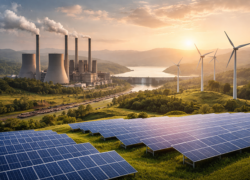
Technology cooperation represents another area of overlap. Clean energy, semiconductors and advanced manufacturing systems feature prominently in bilateral discussions. India’s ambitions in renewable energy and low-carbon technologies align with Europe’s sustainability objectives, creating scope for joint research, technology sharing and capital deployment. Areas such as hydrogen energy, battery recycling and semiconductor design are increasingly seen as natural points of collaboration rather than competition.

Despite this convergence, significant differences remain. The automotive sector is one of the most sensitive issues. India maintains high barriers to protect domestic vehicle manufacturing, while European producers are pushing for greater access. Indian policymakers remain cautious, concerned that rapid liberalisation could overwhelm local manufacturers without delivering reciprocal export opportunities.

Pharmaceuticals present a different kind of challenge. India is a major supplier of affordable medicines to Europe, and expanded trade could deepen this role. However, disagreements over intellectual property standards persist, with India resisting changes that could raise costs or limit access to essential medicines. Balancing innovation incentives with public health considerations remains a core point of tension.

Environmental regulation has also emerged as a contentious area. Europe’s move to link trade with carbon-related requirements has raised concerns in India, particularly among energy-intensive industries. Indian officials argue that such measures risk disadvantaging developing economies and conflict with principles of equity in global climate policy.

Data governance adds another layer of complexity. Europe promotes cross-border data flows under strict privacy standards, while India prioritises regulatory oversight and security considerations. Reconciling these approaches will require tailored solutions rather than one-size-fits-all frameworks.

Taken together, the India–EU trade talks reflect both opportunity and constraint. The strategic logic for closer cooperation is clear, and economic complementarities are strong. Yet the differences are structural rather than superficial, rooted in divergent development stages, regulatory philosophies and political priorities.

Whether the agreement is concluded in the near term or pushed further down the line, its significance extends beyond trade volumes. It will signal how two major democratic economies navigate cooperation in a world where economic policy, technology and geopolitics are increasingly inseparable.

© 2026 cij.world

Housing Affordability and the Growing Urban Divide

India’s urban housing market has evolved rapidly over the past two decades, transitioning from a largely underdeveloped system to one characterised by scale, institutional participation and rising complexity. Yet this maturation has come with a growing challenge. In many cities, home prices have risen far faster than household incomes, placing ownership increasingly out of reach for a large share of urban residents. This imbalance has begun to affect not only household finances but also the broader dynamics of urban growth.

The strain is most visible in the country’s largest metropolitan areas, where the gap between earnings and property prices has widened steadily. For many households, purchasing a home now requires the equivalent of nearly a decade of income, well above what is commonly considered a sustainable threshold in international comparisons. This trend has raised concerns among policymakers and economists alike, as stretched affordability risks deepening social inequality and reinforcing patterns of informal housing in high-cost cities.

Housing stress is no longer confined to the most expensive neighbourhoods. Even in markets once considered relatively accessible, price growth has outpaced wage increases, eroding the ability of middle-income households to enter the ownership ladder. In cities such as Mumbai and Delhi, the cost of a typical home has reached levels that effectively exclude all but the highest earners. Other large urban centres, including technology-driven cities, now sit above global comfort levels for affordability, reflecting the national nature of the challenge rather than a city-specific anomaly.

This pressure on households extends beyond the headline cost of housing. Urban families must also navigate rising expenses related to healthcare, education and climate-related disruptions, all of which reduce disposable income and further limit the ability to save for home ownership. As a result, affordability is shaped as much by broader living costs as by property prices alone.

Public policy has attempted to respond to these pressures through a range of housing and regulatory initiatives. Large-scale urban housing programmes have sought to expand access for lower- and middle-income groups, while regulatory reforms have aimed to improve transparency and discipline within the real estate sector. Tax measures and targeted incentives have also been introduced to ease the burden on first-time buyers, although their impact has varied across income segments and cities.

These interventions have helped stabilise parts of the market but have not fully offset the underlying structural issues. Limited availability of affordable land in central locations, lengthy approval processes and rising construction costs continue to constrain supply in the segments where demand is strongest. As a result, price pressures persist despite policy support.

Developers, for their part, are adapting to the changing landscape. Many have shifted away from ultra-premium offerings towards smaller, more efficiently designed homes aimed at middle-income buyers. Others are increasingly focused on suburban corridors and secondary cities, where land costs are lower and affordability metrics are more manageable. Flexible payment structures and early-stage incentives have also become more common as builders seek to broaden the pool of potential buyers.

India’s urban housing challenge is therefore marked by a clear paradox. Demand for ownership remains strong, driven by demographics and aspirations, yet affordability constraints are limiting participation. Addressing this imbalance will require coordinated action across land policy, urban planning, finance and infrastructure, alongside sustained engagement from both the public and private sectors.

Without such alignment, the risk is that India’s cities will continue to grow in ways that exclude large sections of their populations from formal housing markets, reinforcing inequality and undermining the promise of inclusive urban development.

© 2026 cij.world

Logistics and Warehousing: From Rapid Expansion to a More Selective Phase

India’s logistics and warehousing sector has undergone a dramatic transformation over the past several years. What began as a surge driven by online retail, organised manufacturing and the expansion of third-party logistics providers has reshaped the physical supply chain landscape across both major metropolitan areas and emerging regional hubs. Large-format warehouses, fulfilment centres and last-mile facilities have become a defining feature of industrial development in India’s Tier I and Tier II cities.

This growth phase has resulted in a substantial expansion of built warehousing space nationwide. By the end of 2024, total modern warehouse stock across India’s leading markets had crossed the half-billion square foot mark, reflecting sustained development activity over multiple years. Leasing activity has also remained consistently strong, with annual take-up exceeding earlier historical norms and signalling deep occupier demand from retail, manufacturing and logistics operators.

However, as the sector enters 2025, signs of maturity are beginning to emerge. While leasing volumes remain healthy, investor sentiment has become more cautious, particularly in markets that saw rapid and concentrated development during the boom years. Developers and occupiers alike are now placing greater emphasis on location quality, infrastructure access and long-term viability, rather than sheer scale and speed of expansion.

Much of the early momentum in the sector was fuelled by aggressive network build-outs from e-commerce and quick-commerce platforms seeking to dominate last-mile delivery. Over time, this strategy led to dense clusters of warehouses in certain corridors and secondary micro-markets. As profitability and operational efficiency have come under closer scrutiny, many of these players have slowed the pace of expansion, focusing instead on optimising existing networks. This shift has altered demand patterns, particularly in peripheral locations that were heavily dependent on online retail growth.

Rising land costs have added another layer of complexity. In established logistics clusters around Delhi NCR, Mumbai and Bengaluru, competition for suitably zoned land has pushed acquisition prices higher, compressing development margins and lengthening decision timelines. In smaller cities, while land may be more affordable, challenges related to approvals, connectivity and administrative delays have often offset those advantages, making execution more uncertain.

Infrastructure constraints continue to shape the sector’s evolution. Despite major investments in highways, freight corridors and port capacity, logistics efficiency in India remains uneven. Last-mile connectivity, especially in peri-urban and semi-rural areas, still poses challenges for warehouse operators. Congestion and operational delays at ports and intermodal nodes further underline the need for coordinated improvements across the supply chain ecosystem.

At the same time, technology is becoming an increasingly important differentiator. Automation, data-driven inventory management and intelligent warehouse systems are gradually being adopted to improve throughput and reduce reliance on manual labour. While the long-term benefits are widely recognised, adoption remains uneven due to high upfront costs, dependence on imported equipment and a shortage of skilled personnel capable of operating advanced systems. For many operators, balancing efficiency gains with cost pressures remains a central challenge.

Concerns around potential oversupply are also gaining attention. As demand growth normalises, particularly in secondary locations, some markets face the risk of elevated vacancy levels. This has prompted developers to slow speculative construction and adopt more phased, demand-led development strategies.

Looking ahead, the logistics and warehousing sector appears to be transitioning from an era of rapid expansion to one of consolidation and refinement. Capital access will remain critical, and many industry participants are exploring new funding avenues to support long-term growth. While the pace may moderate, the underlying role of logistics infrastructure in supporting India’s manufacturing ambitions, consumption growth and export competitiveness ensures that the sector remains strategically important.

Rather than signalling a slowdown, the current phase points to a more disciplined and mature market, where scale is matched by sustainability, efficiency and long-term planning.

© 2026 cij.world

India’s Office Market Finds Its Footing Again

After several years marked by caution and uneven performance, India’s Grade A office market has begun to show clear signs of revival. Leasing activity strengthened noticeably over the course of 2024, reversing the slowdown seen in the immediate post-pandemic period and restoring confidence among occupiers and investors alike. The rebound has been driven by a combination of economic resilience, renewed corporate expansion plans and growing interest from long-term institutional capital.

Office take-up across the country reached some of its strongest levels in recent years, with activity spread across major metropolitan areas rather than concentrated in a single market. This broad-based recovery reflects a shift in sentiment, as companies reassess their space needs and re-engage with physical offices, particularly for collaborative, technology-driven and client-facing functions. Sectors such as information technology, financial services and global in-house operations have played a central role in this renewed demand.

Southern cities have been at the forefront of the recovery. Bengaluru has once again asserted its position as the country’s most active office market, supported by a deep occupier base and continued expansion by multinational firms. Leasing activity has been boosted not only by new requirements but also by renewals and consolidations, indicating a degree of long-term commitment from tenants. Hyderabad has followed a similar trajectory, benefiting from competitive occupancy costs, modern office stock and an improving urban infrastructure that continues to attract both domestic and international occupiers.

In western India, Mumbai has recorded a gradual but steady improvement in office absorption. Demand has been most visible in established commercial districts, where limited availability and strong tenant profiles have helped maintain pricing discipline. The National Capital Region has also contributed meaningfully to the recovery, with Gurugram emerging as a key driver of office demand in North India. Large-format developments and integrated business parks have remained particularly attractive to technology-led occupiers and service providers.

The recovery in leasing has been accompanied by sustained interest from global capital. India’s office assets continue to be viewed as offering relatively compelling income returns when compared with many mature markets, where pricing corrections and structural uncertainty have weighed on investor sentiment. While yields vary across cities and asset classes, the overall risk-return profile of Indian Grade A offices has remained favourable, underpinned by stable occupancy levels and a growing pool of institutional-quality buildings.

Listed real estate vehicles have further strengthened the market’s institutional framework. Office-focused investment platforms now hold a significant share of premium commercial stock, providing investors with access to diversified portfolios and predictable cash flows. The visibility and governance standards associated with these structures have helped broaden the investor base, drawing interest from both domestic savers and international funds.

Foreign sovereign and pension investors have been particularly active over the past few years, increasingly favouring partnerships and platform-based strategies. Their continued presence reflects confidence in India’s long-term economic prospects, as well as in the structural reforms that have improved transparency and reduced execution risk within the real estate sector. Regulatory changes, clearer taxation frameworks and greater formalisation have all contributed to a more investable environment.

Looking ahead, India’s office market appears to have moved beyond its period of adjustment. While occupier preferences continue to evolve and supply remains selective, the underlying fundamentals suggest a market that has regained momentum and depth. For investors and occupiers alike, the current cycle points to a more balanced and mature phase for India’s Grade A office sector, anchored by sustained demand and growing institutional participation.

© 2026 cij.world

India’s Energy Transition: Progress, Pressures and the Balancing Act Ahead

Over the past decade, India has emerged as one of the most consequential players in the global shift toward cleaner energy. Alongside China and the United States, the country has expanded its power generation capacity at an unprecedented pace, driven by sustained economic growth, rapid urbanisation and rising electricity consumption across households and industry. While renewable energy has gained remarkable momentum, coal continues to underpin India’s power system, underscoring the complex balance between environmental goals and development priorities.

Electricity demand in India has followed a long-term upward trend, reflecting structural changes in the economy and wider access to power. Seasonal demand peaks have become increasingly pronounced, placing additional pressure on the grid and reinforcing the need for reliable, dispatchable generation. In response, India has expanded its installed power capacity to more than 500 gigawatts. A major milestone was reached in 2025, when sources other than fossil fuels accounted for more than half of total installed capacity for the first time, achieving this benchmark well ahead of the country’s international climate commitments.

Renewable energy has moved decisively into the mainstream of India’s power strategy. Solar power has seen particularly strong growth, supported by large utility-scale projects as well as expanding rooftop installations. Wind energy has also regained momentum after a period of slower development, contributing to the diversification of the energy mix. Together with hydropower and nuclear generation, these sources have reshaped the structure of India’s electricity sector, even if their contribution to actual power generation still lags behind their share of installed capacity.

Despite this rapid expansion of clean energy, coal remains central to meeting India’s electricity needs. Coal-fired power plants continue to provide the bulk of electricity during periods of high demand, offering a level of reliability and flexibility that variable renewable sources cannot yet consistently match. Domestic coal production has reached record levels, reinforcing energy security while supporting employment across mining regions and related industries. Cost considerations also remain significant, as coal-based power is often cheaper to dispatch than renewable energy combined with large-scale storage solutions.

The persistence of coal in India’s energy mix reflects a series of structural challenges. Renewable generation is inherently dependent on weather conditions, and large-scale energy storage remains expensive and limited in availability. Grid infrastructure and land acquisition constraints can delay project execution, while long development timelines and regulatory complexity discourage private investment in sectors such as wind and nuclear power. In addition, India continues to rely heavily on imported components and materials for clean energy technologies, exposing the sector to global supply chain risks.

To address these constraints, the government has rolled out a range of policy measures aimed at strengthening domestic manufacturing, attracting investment and accelerating technological adoption. Incentives for rooftop solar installations and support for local production of clean energy equipment are designed to reduce import dependence and build industrial capacity. At the same time, new areas such as green hydrogen are being promoted as part of a broader strategy to decarbonise industry, lower fossil fuel imports and create new employment opportunities.

India’s long-term commitment to achieving net-zero emissions by 2070 reflects a pragmatic approach to climate action. Rather than pursuing abrupt shifts, the country has prioritised a gradual transition that aligns environmental objectives with economic growth and social stability. This approach recognises the realities of a rapidly developing economy where access to affordable and reliable energy remains essential.

India’s energy transition is therefore best understood as an evolving process rather than a linear transformation. The country has made substantial progress in expanding clean energy capacity and meeting climate-related milestones ahead of schedule. At the same time, coal continues to play a critical role in supporting growth and ensuring grid stability. This duality defines India’s energy landscape today and offers a realistic perspective for other developing economies navigating the challenge of balancing development with environmental responsibility.

© 2026 cij.world

Nhood Services Poland completes further public consultation stage for Wilanów Park

Nhood Services Poland has concluded another stage of public consultations related to the planned Wilanów Park mixed-use development in the Wilanów district of Warsaw. The consultations focused on the project’s functions, programme and integration with its surroundings, with input collected from local residents and district representatives.

Between June and October 2025, the second consultation phase was carried out by A2P2 architecture & planning, acting on behalf of the investor. This stage concentrated on evaluating the planned uses of the project and assessing how well they correspond to the needs of the local community.

According to Grzegorz Kwiecień, Senior Project Manager at Nhood Services Poland responsible for the Wilanów Park project, the aim of the consultations was to better understand residents’ expectations and ensure that the proposed functions are aligned with everyday needs in the district. Feedback from this process is intended to support further refinement of the development concept.

The consultation programme included meetings at designated consultation points in Wilanów, open workshops, discussions with representatives of the district authorities as well as local cultural and social institutions, and an online survey. Residents highlighted the importance of access to services and retail functions that would complement existing offerings in the area. Among leisure-related proposals, a cinema was frequently mentioned; a multi-screen cinema has already been included in the project at the architectural design stage. Plans also предусматри include cultural and social facilities, such as a year-round orangery.

Participants also drew attention to the needs of children and young people, a growing demographic group in the district. The project concept предусматри recreational and sports-related spaces for different age groups. Cycling infrastructure was another recurring topic, with plans for bike paths that would connect to existing routes in the southern part of the city.

Transport and road infrastructure were discussed during the consultations. Following these talks, the project team held discussions with the Wilanów District Office, the City Road Authority and Warsaw Trams regarding road improvements and the planned extension of the tram line. These measures are intended to improve connectivity within the district.

Green spaces were also identified as a priority. In addition to a public park of more than two hectares, which has been part of the project concept from the outset, plans include a community garden and green roofs to support recreation and everyday use.

The results of the consultations were presented by A2P2 to residents in September 2025, and subsequently to a broader group of stakeholders at the end of October, including the project’s investors Ceetrus Polska and Apsys Polska, representatives of the Wilanów district and members of the academic community. The latter presentation took place during the international Eco-City conference and included a discussion on participatory approaches to urban development.

Wilanów Park is planned as a multifunctional development combining retail, dining, services and leisure facilities with publicly accessible green space. The project is being led by Nhood Services Poland on behalf of Ceetrus Polska and Apsys Polska and is planned for delivery in the Wilanów district of Warsaw.

Generali Fond Realit acquires portfolio of three Lidl stores in cooperation with SCF

Generali Fond Realit, managed by Generali Investments CEE with advisory support from Generali Real Estate, has completed the acquisition of a portfolio of three newly developed Lidl supermarkets in the Czech Republic. The transaction was carried out in cooperation with Czech investment group Star Capital Finance (SCF) and represents the first completed deal between the two parties.

The acquired properties are located in Mníšek pod Brdy, Kutná Hora and Olomouc. Together, the three supermarkets provide a total leasable area of 6,816 sq m. Each store has been developed by Lidl and is located at established or developing retail nodes: near the D4 motorway in Mníšek pod Brdy, close to the Šipší shopping centre in Kutná Hora, and at the entrance to Olomouc along road 55.

The transaction is structured as a sale-and-leaseback. Lidl developed the properties to its operational specifications and, following completion, sold them to the fund while remaining as the long-term tenant. According to the parties involved, this structure aligns with Generali Fond Realit’s investment strategy, which focuses on income-generating assets with long-term leases.

As part of the transaction, Generali Fond Realit becomes the sole owner of the properties, while SCF takes a shareholding position in the fund. Representatives of both groups described the deal as the start of a broader cooperation in the Central and Eastern European region.

One of the acquired stores, located in Mníšek pod Brdy, incorporates elements of Lidl’s newer store concept, including updated architectural design and revised internal layouts. The remaining locations follow the retailer’s current standard format.

The acquisition further expands Generali Fond Realit’s retail portfolio in the Czech market and marks SCF’s first completed joint investment with the Generali group.

S19 Rzeszów Południe–Babica: concrete tunnel lining installation completed

An important milestone has been reached in the construction of the tunnel on the S19 Rzeszów Południe–Babica expressway section. The contractors – a consortium of Mostostal Warszawa and ACCIONA – have completed the installation of the concrete inner lining of the first tunnel tube. The final segment was placed as part of a total of 11,020 prefabricated elements forming the tunnel’s internal structure.

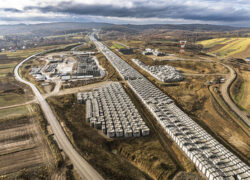
The concrete lining of the first tube was assembled from prefabricated segments, known as tubbings, which were used to create successive tunnel rings. The segments were manufactured in a dedicated prefabrication facility in Lutoryż, located near the construction site, and delivered directly to the tunnel boring machine (TBM) for installation during excavation. Each ring consists of ten segments, together forming a sealed and durable structure designed to withstand demanding geological conditions.

The completion of the concrete lining followed the breakthrough of the first tunnel tube, achieved on 10 December, when the “Karpatka” TBM reached the northern portal after boring a section more than 2.2 kilometres long. This marked a key moment for the project and the first tunnel of this type in the region to be constructed using a TBM.

During a site visit, Minister of Infrastructure Dariusz Klimczak described the breakthrough as an example of how effective cooperation, strong commitment and significant financial investment can deliver results of European relevance. He thanked the engineers, designers and specialists involved for completing this stage of the project. Jorge Calabuig Ferré, President of the Management Board of Mostostal Warszawa, said the completion of the first tunnel bore demonstrated the ability of Mostostal Warszawa and ACCIONA to deliver highly complex infrastructure projects and confirmed the capability of Polish engineering to address advanced technological challenges.

The “Karpatka” TBM is one of the largest and most technologically advanced machines of its kind used in Poland. Measuring 114 metres in length and 15 metres in width, and weighing approximately 4,400 tonnes, it is equipped with a hydraulic-electric drive and twelve motors, each with a power of 1 MW. Its cutting head, weighing around 400 tonnes, rotates at up to three revolutions per minute and is fitted with 471 cutting tools. During excavation, the machine operated at depths exceeding 100 metres below ground level.

Construction of the tunnel required managing complex geological conditions associated with Carpathian flysch formations and the presence of methane. Advanced monitoring, detection and ventilation systems were deployed, alongside detailed safety procedures. Work was carried out continuously, with teams of specialised engineers, operators and technical staff on site around the clock.

The delivery of the TBM to Poland was itself a major logistical operation and the largest road transport project ever undertaken in the country. The machine was shipped by sea from Santander in Spain to the port of Szczecin, then transported by barges along the Oder River to Opole, before being moved by road to the construction site in Babica. To limit disruption, road transport took place at night. The operation attracted widespread public attention, with many local residents observing the transport process.

The Babica tunnel is 2,255 metres long and will ultimately comprise two separate one-way tubes, connected by 15 cross passages and an emergency passage. Each tube will accommodate two traffic lanes and an emergency lane. The tunnel is the most complex and technologically advanced element of the 10.3-kilometre S19 section and a key component of the Via Carpatia international transport corridor.

Following completion of the first bore, the next phase will involve rotating the Karpatka TBM to begin excavation of the second tube. The start of these works will depend on the results of a technical inspection of the machine and any required repairs or modifications. The rotation will be carried out at the northern portal using an airmover system.

The project is being implemented by the Mostostal Warszawa–ACCIONA consortium on behalf of the General Directorate for National Roads and Motorways. With a total value exceeding PLN 2 billion, it is one of the most significant and technically demanding infrastructure investments currently underway in Poland and is expected to improve road safety, reduce travel times and enhance transport accessibility along the Via Carpatia route.

Warsaw office market in 2025 marked by limited new supply and focus on quality

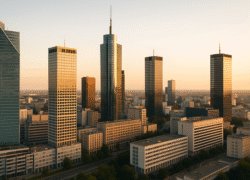
The Warsaw office market is closing 2025 in a phase of stabilisation, with a growing emphasis on asset quality rather than volume, according to the latest outlook from AXI IMMO. Limited new development, the gradual withdrawal of older buildings and steady occupier demand are reinforcing the position of prime locations and modern office stock.

AXI IMMO estimates that around 90,000 sq m of new office space will be delivered in Warsaw by the end of 2025, broadly in line with the previous year. The volume of space under construction remains constrained and is not expected to exceed 200,000 sq m, reflecting a cautious approach by developers. New activity continues to be concentrated mainly in central areas, where demand is more resilient.

“The Warsaw office market is maturing. The drop in new supply is not a sign of weakness but part of a natural rebalancing process,” said Emilia Trofimiuk, Research Manager at AXI IMMO. “We’re seeing more obsolete assets taken off the leasing market for full repositioning or major upgrades. It’s a clear sign that both landlords and tenants are becoming more discerning, and real product quality is steadily increasing.”

Total leasing activity in 2025 is forecast to reach approximately 740,000 sq m, a level comparable to 2024. Lease renewals continue to account for the majority of transactions, although relocation activity remains stable, particularly among tenants seeking higher standards, more efficient layouts and improved public transport connectivity.

At the end of the third quarter of 2025, the overall vacancy rate in Warsaw stood at around 9.7%, with notable differences between central and non-central submarkets. AXI IMMO expects vacancy to decline gradually in the coming months, especially in the most sought-after buildings.

“Simply being in a good district is no longer enough,” said Bartosz Oleksak, Associate Director, Office Agency at AXI IMMO. “Tenants are increasingly focused on micro-locations, metro access, commuting comfort and the overall environment around the building. These factors played a key role in shaping lease-up speed and rent levels throughout 2025.”

Prime headline rents remained broadly stable toward the end of the year. In the best office buildings in the city centre, asking rents reached up to approximately €27.5 per sq m per month, while in non-central locations rates started at around €9.5 per sq m. According to AXI IMMO, upward pressure on rents is mainly visible in new developments and refurbished assets that offer high technical standards and ESG-oriented solutions.

“The end of 2025 confirms that Warsaw’s office market is increasingly driven by quality and selectivity,” said Tomasz Michalczyk, Head of Office Agency at AXI IMMO. “For landlords, this means continued investment in upgrades and tailoring buildings to real tenant needs. For companies planning an office move, it means earlier planning and a more strategic approach to site selection.”

Source: AXI IMMO

Carp Still on the Menu, Just Not for Everyone, as Czechs Embrace Fake Trees and Festive Shortcuts

The Czech Christmas Eve tradition of eating carp is alive and well, although it increasingly appears to be kept that way by older generations doing their bit for cultural continuity. Younger Czechs, meanwhile, are quietly swapping the festive fish for salmon or schnitzel and moving on with their lives.

According to a Home Credit survey of 1,000 people, carp remains the main Christmas Eve dish in 36 per cent of households. It performs particularly strongly in the South Bohemian and Moravian-Silesian regions, where nearly half of families still put carp on the table, and among people aged 56 to 65, who appear determined not to let tradition go without a fight.

Younger respondents, residents of Prague and those living in larger cities are less convinced. Among people aged 18 to 26, carp features in just 31 per cent of Christmas dinners, with salmon and schnitzel emerging as popular alternatives, presumably requiring less emotional commitment and fewer childhood memories involving live fish in bathtubs.

When it comes to spending, moderation seems to be the seasonal theme. Around 35 per cent of households plan to spend between CZK 500 and 1,000 on Christmas Eve dinner, while just over a quarter are willing to stretch the budget to between CZK 1,001 and 2,000. Extravagance, it seems, is being kept safely in check until New Year’s.

A Christmas tree, however, remains non-negotiable. Only four per cent of respondents say they can manage without one, suggesting that festive minimalism has yet to catch on. While 56 per cent still plan to buy a real tree, artificial versions are gaining popularity. This year, 42 per cent of respondents considered buying a fake tree, up from 38 per cent last year, citing lower costs, environmental concerns, practicality and the distinct advantage of not having to hoover pine needles until Easter.

Despite changing tastes in fish and foliage, Christmas itself remains reassuringly traditional. Only four per cent of respondents plan to spend the holidays abroad, while the vast majority intend to stay at home. Three quarters will spend Christmas Eve with their closest family, with another 26 per cent extending celebrations to the wider clan, proving that, carp or no carp, the Czechs still take Christmas seriously.

Author: Mitzilinka (Turning grim reality into comic relief—without losing the truth)

front page info
LATEST NEWS