Energy poverty on the rise in Czech Republic: 1.3 Million people affected

A rising number of Czechs are unable to afford adequate heating and energy, with figures climbing to 1.3 million last year, according to the Powerty Watch 2024 report, presented today by the European Network Against Poverty and Social Exclusion (EAPN). The report sheds light on the alarming increase in “energy poverty,” as more people are forced to spend over two-fifths of their net income on energy or struggle with energy debts. In just a few years, the number affected has nearly doubled, from 770,000 people in 2020.

“We’re witnessing a worsening crisis every year. The statistics are alarming. More and more people lack access to basic needs like heat and light, and mounting energy debts are trapping families, including children, in hardship,” said Iva Kitchenová from Charity of the Czech Republic, a co-author of the report.

This year’s findings focus on households that struggle with heating costs, with around one-fifth of the poorest households impacted. In 2020, 440,000 households were affected, which housed 770,000 people. By last year, that number had surged to 690,000 households, covering 1.3 million individuals. The report attributes this rise to low incomes, soaring energy costs, and inefficient energy use.

Co-author Jiří Vraspír referenced a related report on housing exclusion, indicating that over half a million Czech households face excessive housing costs, with nearly 860,000 adults and children living under financial strain. The report also reveals that 160,900 people, including 62,300 children, are currently in precarious or temporary housing, or are homeless.

Former ombudsman Anna Šabatová expressed concern, calling the findings “pessimistic” and attributing them to long-standing policy shortcomings. “Every indicator is worsening, and things are likely to continue deteriorating. Decades of flawed policies have left us with a system that inadequately supports basic needs,” she said. Former Prime Minister Vladimír Špidla also criticized current policies, stating that inflation has drastically eroded the value of subsistence benefits, making them ineffective.

To address the crisis, the Czech EAPN network advocates for housing support legislation, a review of state assistance criteria, and a simplified benefits system. The report calls for reforms that would merge four existing benefits into one and increase wage levels to better support families.

This year’s Powerty Watch report also covers migration, employment of foreign workers, and long-term care needs. Representatives from organizations, government, Prague City Hall, and academia convened to discuss the findings, highlighting the urgency of policy reform to counteract poverty and social exclusion in the Czech Republic.

Source: CTK

HIH Invest sells Michelkontor office and commercial building in Hamburg to PAMERA Real Estate

HIH Invest Real Estate GmbH (“HIH Invest”) has successfully sold the Michelkontor office and commercial building in Hamburg’s Neustadt district to PAMERA Real Estate Partners GmbH, a family-owned real estate office. Located at Englische Planke 2, Michelkontor was originally built in 2002 by Quantum AG and acquired by HIH Invest in 2014 on behalf of the real estate fund of the Norddeutsche Versorgungswerke superannuation scheme.

The Michelkontor building offers 4,630 square meters of leasable space, with 4,600 square meters dedicated to office areas and 30 square meters for storage. The property also includes 36 parking spaces in an underground garage and is fully occupied, with prominent tenants like Barmenia AG health insurance and logistics company Dachser SE.

Commenting on the transaction, Daniel Asmus, Team Head of Transaction Management Office Germany at HIH Invest, said, “Our sale of Michelkontor in Hamburg demonstrates that family offices remain strongly interested in high-end office assets in prime locations of Class A cities.”

Christian Kramp, Senior Fund Manager at HIH Invest, highlighted the success of their asset management strategy: “Through active management, we achieved 100 percent occupancy, creating an attractive asset for the market while securing an excellent return on investment for our clients.”

The sale was brokered by Grossmann & Berger, and the financial details of the transaction remain undisclosed.

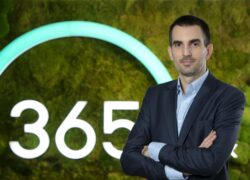
365.invest Slovakia interview: Providing added value to investors

CIJ EUROPE spoke with Tomáš Cár, who represents the Real Estate Transactions at 365.invest, in a Q&A about the company’s activities and the key priorities driving their work.

At 365.invest, providing added value to our investors is at the heart of everything we do, says Tomáš Cár, who represents the Real Estate Transactions team. “Our goal is not just to deliver solid financial returns but to create long-term, sustainable value that benefits communities, preserves cultural heritage, and contributes to the growth and transformation of urban landscapes,” he explains. The company’s approach focuses on responsible development that enhances the built environment while ensuring profitability for investors.

A key part of 365.invest’s strategy involves revitalizing underperforming properties into high-value assets. Across Slovakia, Cár and his team have been overseeing the transformation of retail and residential properties to meet the changing demands of the market.

One major initiative has been the conversion of old retail premises in six regional cities—Pezinok, Lucenec, Nove Zamky, Ruzomberok, Levice, and Rimavska Sobota—into modern, high-performing retail parks. “In collaboration with local developers, we’re transforming outdated, underutilized retail spaces into thriving hubs,” says Cár. By redesigning these spaces to maximize their potential, the team attracts top-tier tenants and ensures stable rental income for investors. The modernization process also boosts the aesthetic and functional appeal of the properties, enhancing customer experiences and increasing retail sales, which leads to property value appreciation. Sustainability is also key, with eco-friendly building practices incorporated throughout the projects.

“We aim to create long-term value by incorporating energy-efficient designs and green building materials, reducing operating costs while appealing to eco-conscious tenants,” Cár adds. The result is a portfolio of assets that not only provide consistent income but also stand out in the market due to their environmental sustainability and strategic location.

In addition to retail parks, 365.invest is also focused on urban revitalization, particularly through the transformation of old houses and mixed-use buildings into modern residential apartments. Cár points out that the growing demand for high-quality urban housing drives this project. “We are targeting young professionals and urban dwellers by creating stylish, compact living spaces that offer both modern design and functionality,” he says. These apartments are typically located in prime areas with excellent connectivity to business districts, transportation, and entertainment, which helps generate high rental yields. The repurposing of undervalued properties into desirable living spaces also boosts asset value and ensures strong returns on investment.

One of the most exciting projects that Cár and his team are working on is the conversion of office and mixed-use buildings into residential units in Bratislava. “With the changing dynamics of the office market, we’ve seen a rise in demand for residential properties, and repurposing office spaces is an efficient way to meet that demand,” Cár explains. This approach not only maximizes the potential of existing buildings but also reduces construction waste, making it a more sustainable option. By contributing to the city’s urban regeneration, these projects support economic growth and help shape Bratislava into a modern, vibrant city.

“These redevelopments provide investors with significant capital appreciation, as Bratislava continues to grow into a modern urban hub,” he adds. With lower redevelopment costs compared to new construction, these projects offer efficient capital deployment and high returns.

Through these strategic developments, 365.invest is creating sustainable, culturally rich, and economically resilient real estate assets. Tomáš Cár highlights that the company’s focus on thoughtful development ensures that their projects are not only profitable but also positive contributions to the cities they are located in.

“Investing with us means participating in the growth of thriving urban centers,” says Cár. “We offer innovative real estate solutions that deliver both financial returns and lasting impact, shaping the future of Slovakia’s cities.”

© CIJ EUROPE

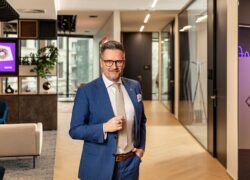
Strategic design drives employee well-being at Passerinvest Group’s office spaces

Czech developer Passerinvest Group is redefining the modern office environment by incorporating employee preferences and operational insights into its planning and design. From coffee machine placement to restroom design, Passerinvest considers every detail to create spaces that enhance communication, productivity, and employee satisfaction. Eduard Forejt, Sales Director at Passerinvest, highlights the company’s holistic approach: “When planning spaces, we’re guided by our own operational experience, safety regulations, and, most importantly, the needs of our clients’ personnel. A motivated, satisfied employee is invaluable, so we adapt everything—from interior layouts to materials and colors—to support their well-being.”

Coffee Machines: A Strategic Location

It may seem trivial, but the location of the coffee machine can significantly impact a company’s internal communication flow. Coffee areas become natural hubs where employees exchange information, relax, and consult with one another. If placed too far from the main work areas, it discourages usage, whereas proximity to sensitive areas, such as management offices, can create tension. “Positioning the coffee machine near the director’s office has proven counterproductive in many cases,” Forejt observes. “This depends on company culture, of course, but placement is essential to ensure it fosters natural interactions without causing disruptions.”

Restrooms with a Purpose

Restroom design goes beyond functionality, addressing real workplace needs. In women’s restrooms, large mirrors allow multiple users to apply makeup simultaneously—a frequent request from HR managers. To prevent misplacing jewelry, like wedding rings, sinks and counters are designed in contrasting colors to enhance visibility. Even minor adjustments, like slightly raising the height of toilet seats, can increase efficiency, as a study commissioned by a major corporation found that minor changes can save significant downtime annually. “Such details reflect how even restrooms can impact productivity,” Forejt says.

Thoughtful Open Space Design

While open office spaces encourage communication and collaboration, Passerinvest has developed a balanced “office landscape” model, where team members have designated quiet areas for focused work and private spaces for meetings. “Complete open space feels undignified if employees constantly feel watched or interrupted. We aim to create inviting, structured spaces where people can choose between quiet work and interaction,” Forejt explains.

New Expectations: Beyond the Foosball Table

Modern employees need more than a break room or foosball table. Mental well-being requires brief breaks, access to green spaces, and natural light. Today’s workplaces feature quiet zones, rooftop terraces, and walking paths around the building, allowing employees to recharge outdoors. Forejt notes that demand for such features is increasing, with many seeking office spaces near green areas.

Technology and Layout Optimization

Modern technology also supports workplace optimization. For larger corporations, occupancy sensors or wristbands track how employees interact within a space, identifying opportunities for more effective layouts. “Some may see it as ‘big brother,’ but these technologies can reveal why some spaces hinder productivity. Small changes in layout based on real usage patterns can improve satisfaction and comfort,” Forejt says.

Cultural Nuances Shape Office Design

Finally, Forejt points out that office needs vary by nationality. For example, while Czechs prioritize a social lunch hour, the British are accustomed to lighter midday meals and may not value a nearby canteen as highly. The Germans often prefer simple, functional spaces, while Czechs appreciate aesthetic elements like natural materials and indoor plants that enhance the environment.

Passerinvest Group’s people-centric approach demonstrates how thoughtful, adaptable office design can contribute to productivity, morale, and workplace culture across various industries.

Author: Eduard Forejt, Sales Director at Passerinvest

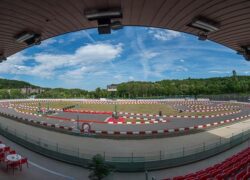
Prague considers transforming Motol greyhound racetrack into a new athletics stadium

The city of Prague is advancing plans to purchase the Motol greyhound racetrack and redevelop it as an athletics stadium, addressing the city’s need for more sports facilities. Although the racetrack, owned by Czech International, has a lease until at least 2035, the city aims to secure the property for CZK 200 million—a figure below the estimated market value.

Located near Plzeňská Street in Košíře, the greyhound facility opened in 2013, following a CZK 350 million investment that created a modern complex with amenities, including restaurants and a 190-space car park. This potential acquisition reflects a strategic shift for the property, which has previously been under consideration for other recreational purposes, such as a cycling center and velodrome. However, recent planning decisions have earmarked Brno as the preferred site for the velodrome, leaving the Motol track available for transformation into an athletics venue.

Councillor Klecanda emphasizes that converting the current stadium would be cost-effective and beneficial, as there is significant infrastructure already in place. Additionally, the land includes a major water pipeline, making it advantageous to adapt the existing site rather than undertaking costly relocations.

The envisioned stadium would provide facilities for athletic clubs in Prague 5 and support various outdoor competitions. According to Klecanda, the city is eager to finalize the deal, though municipal coalition approval and procedural steps are required before completion.

Source: CTK
Photo: Greyhound Park Motol

GARBE Industrial Real Estate expands into Romania, launching new subsidiary

GARBE Industrial Real Estate GmbH, a prominent European developer and manager of logistics and industrial properties, has officially entered the Romanian market with a new subsidiary, GARBE Industrial Real Estate Romania. Led by Andrei Jerca as Country Head and overseen by Martin Polák, GARBE’s Managing Director for Central and Eastern Europe, the company aims to capitalize on Romania’s promising logistics sector.

With Romania’s strong infrastructure, stable economy, and favorable energy costs, Jerca highlights the nation’s appeal for sustainable logistics development, particularly as Romania moves toward Schengen integration. Jerca brings extensive experience, having developed over 200,000 square meters of industrial space across key Romanian cities, and his knowledge is seen as essential to GARBE’s growth strategy.

Polák praised Jerca’s market insight and strategic vision, emphasizing the subsidiary’s role in expanding GARBE’s reach in Eastern Europe as Romania’s logistics market experiences robust growth. This strategic move marks GARBE’s commitment to establishing a significant presence in Romania’s industrial real estate landscape.

Slovakia’s retail park market thriving despite E-commerce growth

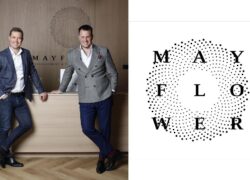
In an exclusive CIJ EUROPE interview with Andrej Mardiak and Lukáš Šarközi, Partners at Mayflower Slovakia, exciting developments in the country’s retail park sector were discussed. With several new projects on the horizon, it’s clear that Slovakia’s retail landscape is expanding in response to changing consumer habits and market demands.

Mayflower has been actively involved in various shopping park projects throughout Slovakia. Mardiak highlighted five major developments scheduled between March 2024 and March 2025. These include the recently completed Spektrum Ružomberok project, a 5,000 square meter retail park, as well as smaller projects like one in the city of Šaľa. Future openings include Spektrum Šamorin and the reconstruction of hypermarket chains in Nové Zámky and Lučenec, rebranded under the Spektrum name. Additionally, a second phase is underway for the retail park in Námestovo, expanding to 10,000 square meters, with more expansion plans in Rimavská Sobota and Levice.

Mardiak also teased an acquisition of a project currently in its construction phase, although he remained tight-lipped on specifics, as details are still under negotiation.

The rise of discount retailers and shifting consumer behavior have fueled the growth of retail parks in smaller cities across Slovakia. Mardiak and Šarközi explained that consumers are increasingly seeking convenience, avoiding long journeys to major shopping centers and opting instead for local retail parks in smaller cities. This trend is especially prevalent in towns with populations between 5,000 and 15,000, which were previously overlooked by developers.

“People don’t want to travel 30 minutes for shopping anymore,” remarked Šarközi, “and they welcome local retail schemes.”

Mardiak noted that the demand for discount brands is growing, and with it, the size of retail parks has increased. What used to accommodate eight tenants in a 4,000–5,000 square meter space now only needs four to five tenants, as brands like Action, Miller, and Woolworth have entered the Slovak market, each requiring larger retail units.

Both executives stressed that sustainability is a critical goal for Mayflower. “Almost 50% of our portfolio comes from reconstructions and redevelopments,” said Mardiak, noting that older buildings are being revamped with modern materials to meet higher environmental standards. In addition, Mayflower is shifting to electricity-based systems with low energy consumption and installing more sustainable features, such as energy-efficient glass frontages.

According to Šarközi, this focus on sustainability not only aligns with environmental goals but also offers a business opportunity for Mayflower as demand grows for eco-friendly retail spaces.

Mayflower takes a strategic approach when determining the ideal tenant mix for its retail parks, conducting extensive research to assess local market demand. “You need to meet the local requirements,” Mardiak emphasized. This includes analyzing the price levels and brand popularity in a region before proceeding with development.

By tailoring the tenant mix to the local population, Mayflower ensures its retail parks provide an attractive range of shopping options suited to the community’s needs.

Mardiak highlighted two key challenges currently facing the retail park sector: the slow permitting process and the potential for market saturation. “Getting permissions takes a huge amount of time, and time is money,” he said, pointing to the financial implications of these delays.

The risk of market saturation is also a growing concern. While there are still opportunities in Slovakia’s smaller cities, Mardiak acknowledged that not every retail park project will be successful. Thorough research and patience are needed before investing in new developments.

Despite the rise of e-commerce, both executives believe that retail parks remain resilient. “These projects are like crocodiles from the dinosaur era,” Šarközi quipped, highlighting their ability to withstand market changes. Retail parks cater to fast, convenient shopping, allowing customers to park, shop, and leave quickly—a distinct advantage over the time-consuming experience of larger shopping malls.

While e-commerce continues to grow, retail parks are proving to be complementary, offering an environment for impulse purchases that online platforms struggle to replicate. According to Šarközi, retail parks’ fast shopping philosophy means they still attract significant foot traffic.

Looking ahead, both Mardiak and Šarközi see a bright future for retail parks in Slovakia. While the market may be approaching saturation, there are still opportunities in both large and small cities. Mayflower intends to remain a key player in this space, continuing to shape Slovakia’s retail park landscape.

The Partners stressed the importance of careful planning and research in ensuring the long-term success of retail park projects. Retail parks, they argue, are not only resilient but have the potential to become valuable trophy assets, especially as they continue to outperform more vulnerable sectors like shopping malls in the fight against e-commerce.

© CIJ EUROPE

P3 Czech Republic’s Aleš Zacha discusses the evolving landscape of logistics real estate

In an exclusive CIJ EUROPE interview with Aleš Zacha, Head of Development of P3 Czech Republic, shared insights into the logistics and warehousing sector’s growth and transformation in the wake of the pandemic.

CIJ: The logistics and warehousing sector has seen significant growth post-pandemic. How do you foresee the future of logistics real estate evolving, particularly in the Czech Republic?

Zacha noted that while the post-pandemic landscape was initially challenging, the logistics sector, particularly e-commerce, experienced remarkable growth. “We were all waiting to see what would happen, but we realized that demand continued to grow. Rent levels increased quarterly, which was amazing, especially in our portfolio around Prague. We witnessed zero vacancy rates; any available space had a queue,” he remarked.

However, he highlighted the impact of geopolitical factors, particularly the war in Ukraine, which led to a decline in demand in 2023, a trend that has persisted into 2024. “E-commerce drove growth, but supply chain disruptions from Asia due to pandemic-related issues highlighted the need for companies to stock inventory within Europe,” Zacha explained. This shift is leading to near-shoring strategies as companies aim to mitigate risks associated with global supply chain vulnerabilities.

CIJ: What role does near-shoring play in the future of logistics and manufacturing in the Czech Republic?

Zacha elaborated that the trend toward near-shoring is gaining traction in both logistics and manufacturing. “It’s not a quick process; relocating manufacturing takes time and careful planning. While logistics can shift more rapidly, manufacturers require more substantial investments and timeframes,” he said. He also noted that big Asian e-commerce platforms are increasingly seeking to establish warehouses in Europe to better serve their customer bases.

CIJ: How is P3 Parks addressing the growing importance of sustainability in logistics real estate?

Sustainability is a priority for P3 Parks, according to Zacha. “We have implemented various green initiatives, including adhering to BREEAM certification standards for new constructions and incorporating solutions for rainwater usage and renewable energy sources,” he stated. “We are also installing EV charging stations and ensuring our buildings meet modern sustainability criteria.”

However, Zacha acknowledged the challenge of balancing sustainability with client demands. “While many clients want sustainable systems, not all are willing to invest in the necessary upgrades. We believe this will change over time, as supply chain pressures will compel companies to embrace more sustainable practices,” he added.

CIJ: What are P3 Parks’ plans for further expansion in the Czech Republic?

Zacha outlined P3’s growth strategy, which includes new developments and acquisitions. “We are focused on land banking and identifying new development opportunities, with a current lettable area nearing 9 million square meters and a portfolio value approaching €10bilion. We aim to grow even more,” he stated.

When considering new land acquisitions, Zacha emphasized the importance of accessibility to highways and workforce availability. “We are looking for locations beyond just prime areas like Prague and Brno. Our focus is on finding opportunities with good access to key markets and industries, particularly those connected to the German market,” he explained.

CIJ: Urban logistics is gaining traction as cities grow. How is P3 Parks adapting to this trend?

While P3 primarily focuses on large logistics parks, Zacha acknowledged the rising demand for last-mile delivery centers. The company is currently exploring redevelopment opportunities in urban areas across Europe, including the Czech Republic. “We are aware that securing land in urban settings can be challenging due to higher competition from residential and office developers. Nonetheless, we remain open to opportunities, particularly in Prague,” he said.

CIJ: What do you see as the biggest opportunities and risks in the industrial market in the coming years?

Zacha pointed out the automotive sector as both a risk and an opportunity. “The situation in the automotive market is uncertain, especially with the ongoing transition to electric vehicles,” he explained. He also identified rising energy costs in Europe as a significant risk, stating that energy prices are considerably higher than in the US and Asia, which poses challenges for manufacturing and logistics companies.

Conversely, Zacha remains optimistic about e-commerce growth and advancements in technology and production, particularly in sectors like semiconductors. “Czech Republic’s position in the heart of Europe, along with a skilled workforce, keeps it an attractive market for investment,” he said.

CIJ: Finally, what does the future hold for P3 Parks in the next ten years?

Zacha envisions continued growth, with a focus on expanding their portfolio through acquisitions and new developments. “Our strategy remains consistent, with a commitment to sustainable, high-quality buildings. We want to ensure our developments are aligned with market demands for carbon neutrality and efficiency, which will ultimately enhance the value of our properties,” he concluded.

As the logistics and warehousing landscape continues to evolve, P3 Parks is strategically positioning itself to navigate.

© CIJ EUROPE

Key legal and regulatory changes impacting Slovakia’s commercial real estate market in 2024

In a recent CIJ EUROPE interview, Robert Daniš, Partner at Wilsons Slovakia, outlined significant regulatory changes impacting the Slovak commercial real estate market in 2024. According to Daniš, the introduction of a new construction law is one of the most notable developments this year. “Part of the legislation is already in effect, specifically in zoning, while the sections related to construction are expected to come into force next year—unless parliament decides to delay it further,” Daniš explained.

The primary goal of the new law is to expedite and streamline the building permit process, which has historically been slow and complex. A key change will eliminate the need for zoning permits, a move aimed at making development more flexible. However, Daniš noted that full implementation has been delayed. “We’ll have to wait and see whether the anticipated benefits will be realized once the law is fully operational,” he said, adding that the most significant provisions have yet to take effect.

When asked about tax law changes, Daniš highlighted a rise in VAT for companies involved in real estate. While not a sweeping reform, the increase could have a ripple effect on the sector. “Higher VAT could contribute to increased costs for companies and potentially property buyers, which could potentially affect pricing and demand in the market,” he stated. This shift is expected to influence both inflation and real estate costs moving forward.

Reflecting on the impact of the COVID-19 pandemic on lease agreements, Daniš noted that force majeure clauses became popular during the lockdowns, as many tenants sought rent relief. “Many tenants requested these clauses to safeguard themselves during the pandemic,” he said. However, as the market stabilizes, such requests have become less frequent.

Daniš also pointed out that the office sector has remained in favor of tenants, with current market conditions allowing them to secure better leasing terms to offset the overall inflation driven rise of rent and costs. “It’s more of a tenant’s market in the office sector now,” he remarked, but added that no major structural changes have occurred in lease agreements overall.

Discussing legal risks in property transactions, Daniš emphasized that Slovakia faces many of the same issues as other European markets. In particular, two areas of growing concern are GDPR compliance and ESG (Environmental, Social, and Governance) regulations. “Recently, clients have become more focused on data protection clauses in lease agreements,” Daniš said. Additionally, the rise of ESG standards presents new challenges for developers and landlords who must now ensure their properties meet evolving European regulations and internal ESG compliance rules of corporate tenants. “These are new risks that we didn’t see in the past but are increasingly important in today’s market,” he added.

Turning to industrial and retail properties, Daniš pointed out that location and infrastructure are the primary concerns for industrial real estate. “For industrial properties, it’s typically about access to public roads and utility networks,” he said. Legal risks often revolve around land acquisition, especially when properties are purchased in various stages of development.

For retail properties, lease agreements remain a critical focus. Daniš explained that rental income is the main driver for retail property owners, but added that ESG standards are becoming a major consideration. “ESG compliance could drive up development costs and, in turn, impact rents,” he noted.

Looking ahead, Daniš sees opportunities for growth in Slovakia’s industrial and residential real estate sectors. “There’s still room for expansion, particularly in industrial properties,” he said, citing strong interest from companies. The residential market is also appealing due to a shortage of housing, making it attractive to investors.

However, Daniš acknowledged that the office and retail markets are highly competitive, giving tenants a strong position in lease negotiations. Despite this, he believes the competitiveness in these sectors opens doors for growth in other areas.

In conclusion, Daniš stressed the importance of maintaining momentum in the real estate market. “It’s crucial that there’s consistent activity—new projects, financings, leases, and acquisitions. Without these, the market stagnates, which is bad for everyone,” he warned. Moving forward, attracting new investors will be key to ensuring the continued growth of Slovakia’s real estate sector.

© CIJ EUROPE

Panattoni’s sustainable strategy for Czech and Slovak industrial real estate

Panattoni, a leading developer in industrial real estate, is navigating an evolving landscape in the Czech Republic and Slovakia. In an exclusive interview with CIJ EUROPE, Pavel Sovička, Managing Director the Czech Republic and Slovakia, several key trends are reshaping the market, from the effects of the Green Deal to nearshoring opportunities and the push for automation. The company is positioning itself at the forefront of these changes, focusing on sustainability, efficiency, and bespoke solutions to meet the demands of its customers.

One of the most significant trends identified by Sovička is the shift toward sustainability, accelerated by the Green Deal and the growing importance of energy efficiency. As companies prioritize reducing their carbon footprints, they are moving away from fossil fuels, opting for alternatives like heat pumps. “The Green Deal effect is driving the demand for more efficient buildings,” says Sovička. This is particularly evident in the growing number of businesses pursuing automation, energy-efficient warehouses, and sustainable practices.

In line with this trend, Panattoni is aligning its projects with the European Union’s taxonomy, which sets out standards for sustainable investment. For instance, the company ensures that all its developments are certified by BREEAM New Construction, with many achieving excellence ratings. Brownfield developments, which involve repurposing former industrial sites, are also a significant focus for Panattoni. These projects not only help recycle materials but also contribute to reducing the environmental impact of new constructions.

Automation is playing a critical role in shaping the demand for industrial real estate. Sovička highlights that companies like Tchibo and ZF Corporation are leading the charge by implementing automation in their distribution centers. For example, Panattoni recently upgraded Tchibo’s facility to integrate advanced automated systems, reducing the need for manual labor and allowing the company to operate with significantly fewer employees while boosting efficiency.

Consolidation is another emerging trend, with businesses looking to centralize operations. “Instead of scattered warehouses, companies are now consolidating into more efficient, larger spaces,” says Sovička. This shift is especially prominent in sectors like automotive, where companies are preparing for future growth despite ongoing economic challenges.

As businesses adopt new technologies and pursue automation, the demand for built-to-suit facilities has risen. Sovička points out that vacancy rates in the Czech Republic remain low, with many companies requiring specialized spaces that can’t be found in speculative developments. “A lot of these projects need specialized buildings, and it’s difficult to adjust the technology to existing spaces,” he explains.

This trend is particularly noticeable in sectors like logistics, where proximity to consumers and operational efficiency are paramount. Panattoni is responding by focusing on large-scale, built-to-suit projects that can accommodate future growth and technological advancements.

Despite the current economic slowdown, Sovička sees opportunities for growth, particularly in nearshoring. As global supply chains continue to adjust post-pandemic, European companies are increasingly looking to relocate production closer to home. This is particularly true for automotive companies, which are seeking alternatives to Asian manufacturers.

Panattoni is preparing for this shift by developing large-scale sites in both the Czech Republic and Slovakia. In the Ostrava region, for instance, the company is working on projects like the Mošnov multimodal logistics hub and a former mine site, both of which are positioned to attract major investments from industries like automotive and semiconductors.

Looking ahead, Sovička acknowledges several challenges, particularly in securing permits and preparing sites for development. In the Czech Republic, the process for obtaining building permits is notoriously slow, with timelines ranging from two to eight years. This is a major hurdle for developers like Panattoni, especially in comparison to markets like Germany and Poland, where projects can begin within months after receiving permits.

However, Sovička remains optimistic. He believes that the availability of large, well-prepared sites with sufficient infrastructure, particularly in terms of electricity and water, will be a key factor in Panattoni’s future success. The company is also committed to staying ahead of its competitors by focusing on sustainable building practices and ensuring its developments meet the highest global standards.

As Panattoni continues to expand its presence in the region, Sovička emphasizes the importance of collaboration and partnerships with both customers and investors. By offering tailored solutions and maintaining a flexible approach, Panattoni is positioning itself as a leader in the industrial real estate market, ready to meet the evolving needs of businesses in the Czech Republic and Slovakia.

Panattoni’s strategic focus on sustainability, automation, and large-scale developments is shaping the future of industrial real estate in Central Europe. As businesses adapt to new challenges, including nearshoring, energy efficiency, and technological advancements, Panattoni is poised to provide the infrastructure needed to support these changes. With a commitment to innovation and sustainability, the company is setting a new standard for industrial real estate in the region.

© CIJ EUROPE

LATEST NEWS