Tuesday, 6 October 2026
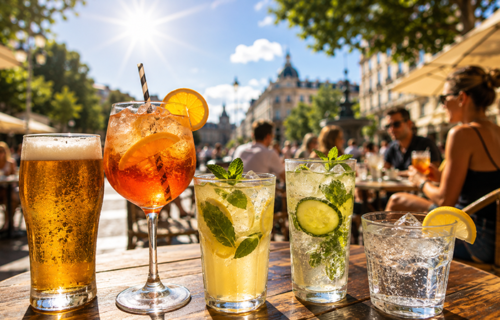
Europe’s increasingly frequent heatwaves may be changing consumer drinking habits in ways that challenge long-held assumptions within the beverage industry. While warm weather has traditionally been associated with stronger alcohol sales, emerging research suggests that extreme temperatures can produce the opposite effect.
A recent study by researchers from the University of California, ETH Zurich and North Carolina State University found that alcohol purchases generally increase as temperatures rise, but only up to a certain point. Once temperatures climb above roughly 32°C, demand begins to level off or decline, particularly in regions where extreme heat is less common. Although the research analysed U.S. retail sales, industry experts say the findings are becoming increasingly relevant in Europe as prolonged heatwaves become more frequent.
The shift reflects a broader change in consumer behaviour. During periods of extreme heat, many people reduce outdoor activities, spend more time in air-conditioned spaces and choose beverages that are perceived as more refreshing or hydrating. Public health authorities across Europe also advise limiting alcohol consumption during heatwaves because alcohol contributes to dehydration and makes it more difficult for the body to regulate temperature.
The changing pattern is prompting beverage manufacturers to review their product strategies. Several producers are expanding their portfolios of alcohol-free beer, low-alcohol drinks, soft drinks and other alternatives as consumers seek lighter options during periods of prolonged high temperatures. Industry analysts say the trend is likely to continue as extreme weather events become more common.
The impact, however, is not uniform across the hospitality sector. Some pubs, restaurants and bars continue to benefit from increased customer numbers during warm weather, particularly where shaded outdoor areas or air-conditioned interiors are available. In many cases, consumers are changing what they drink rather than avoiding hospitality venues altogether.
Climate change is also creating broader challenges for beverage producers. More frequent heatwaves can disrupt agricultural production, increase energy consumption and place upward pressure on production costs, while periods of extreme weather may also reduce disposable income and alter consumer spending patterns. These factors are encouraging companies to diversify product ranges and strengthen supply chain resilience.
According to the Copernicus Climate Change Service, Europe is warming faster than any other continent, with heatwaves expected to become both more frequent and more intense. As a result, beverage producers are increasingly treating climate adaptation as a long-term commercial issue rather than simply a seasonal challenge.