Saturday, 17 October 2026
A new office leasing format described as “modular offices” is being introduced to the Polish market, targeting companies seeking private office space without the long-term commitments and fit-out costs associated with conventional leases.
The concept was first implemented at the ZITA building within the Promenady Business Park complex in Wrocław, owned by TRU Development. The model is positioned between traditional office leasing and flexible workspace formats such as coworking and flex offices.
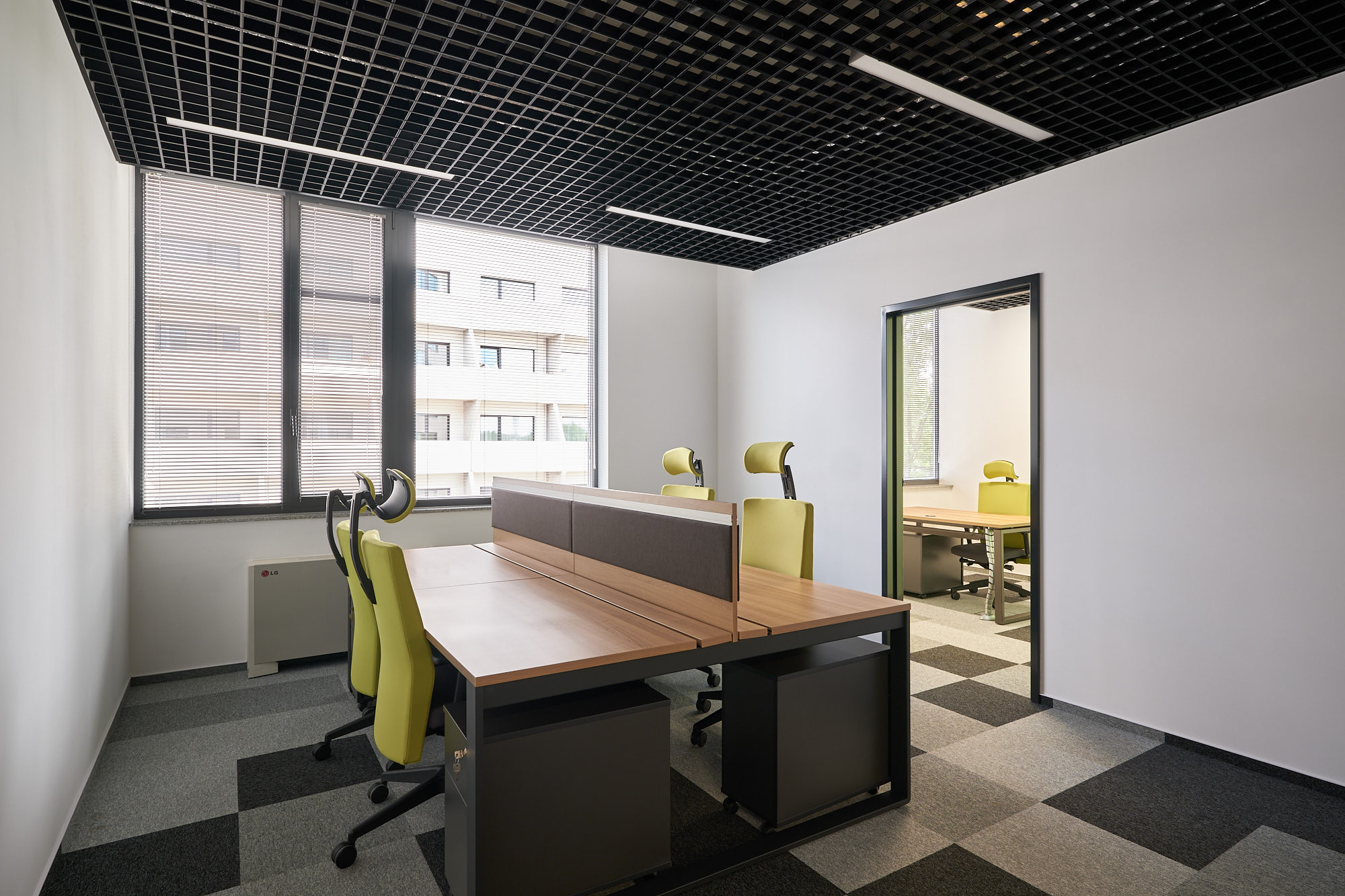
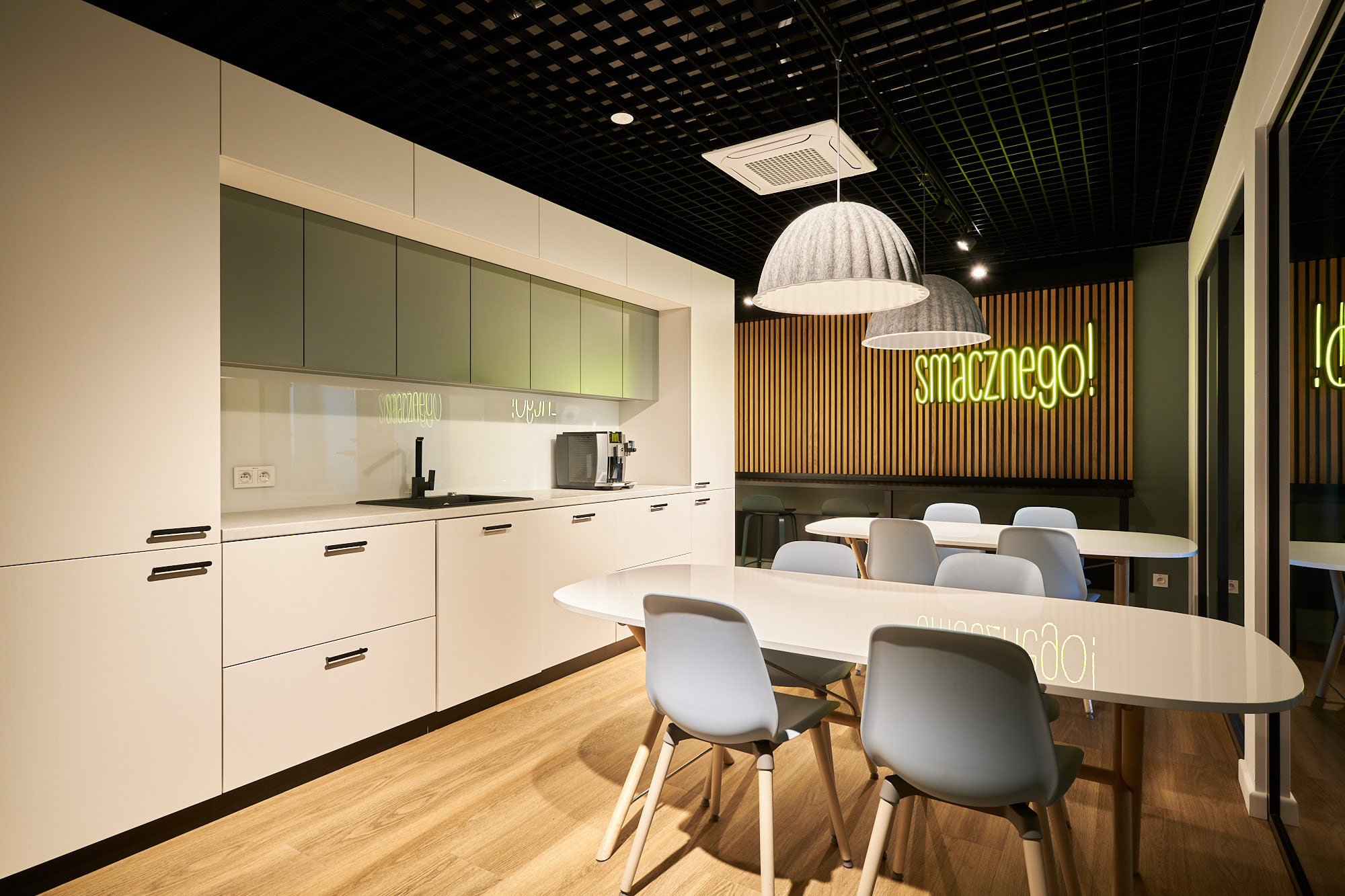
Under the modular office approach, tenants lease private office units directly from the building owner rather than through a third-party operator. The offices are delivered ready for use and provide access to shared amenities including meeting rooms, kitchens, lounge areas and office infrastructure. Billing is structured around the number of workstations.
According to Dorota Kościelniak, Director of the Wrocław Office Agency at Savills, the model is designed to address a gap in the market for smaller businesses seeking access to modern office buildings without significant upfront expenditure or long lease obligations.
She noted that traditional coworking spaces do not always provide the level of privacy or corporate image some companies require, while standard leasing models can lack flexibility. In her view, modular offices offer building owners an additional way to utilise smaller office units and reach a broader tenant base.
At Promenady Business Park, TRU Development has allocated one floor in the ZITA building to modular office units. The offices range from smaller layouts for two to four people to larger modules accommodating teams of up to 12 employees. Units can also be combined to create larger spaces for expanding occupiers.
Joanna Samól, Head of Commercialisation and Property Management at TRU Development, said the company aims to make modern office space more accessible to smaller firms and project teams seeking well-connected locations without complex fit-out processes or high initial costs.
The model is primarily aimed at micro and small businesses, project-based teams and regional branches of larger companies. Market participants say it may appeal to occupiers that previously relied on offices in residential buildings, older commercial properties or subleased space due to the cost and complexity of conventional office leasing.
Savills added that modular offices may also provide landlords with a way to activate more difficult-to-lease areas within office buildings while diversifying their tenant mix.
Industry representatives suggest the concept reflects broader demand for shorter leasing processes, predictable occupancy costs and the ability to scale office space more easily in response to changing business needs.