Friday, 16 October 2026
Biomass consumption in Czechia has increased by more than 20% over the past five years and could reach about twice its 2020 level by 2030, according to estimates cited by biomass trader ResInvest Commodities.
The company did not provide the underlying data source or specify whether the projections were measured by weight or energy content.
Demand is being supported by changes in the heating and energy sectors as operators reduce their reliance on coal and consider alternatives to natural gas. Gas-price volatility and uncertainty over future supplies have also contributed to interest in biomass projects.
Much of the anticipated growth is expected to come from combined heat and power plants and municipal heating systems. Some existing heating plants can be converted to use biomass while retaining parts of their storage, transport and distribution infrastructure.
Biomass can be stored and used to generate electricity or heat when required, allowing operators to adjust output according to demand. This distinguishes it from weather-dependent solar and wind generation, although fuel purchases, storage and transport introduce other costs and operational requirements.
Rostislav Krempaský, biomass trading director at ResInvest Commodities, said locally sourced fuel could allow operators to hold inventories near their facilities and reduce their exposure to short-term movements in international gas prices.
The economic case varies between projects. Relevant factors include the type and efficiency of the plant, the quality and availability of the fuel, transport distances, carbon prices and the ability to secure long-term supply contracts. Biomass is most likely to be viable at heating plants and industrial sites with continuous demand and access to a stable regional fuel supply.
Competition for wood is another consideration. Wood products are increasingly used in construction and other industries, while new energy projects are expected to compete for wood chips and other biomass fuels. Further demand growth could therefore place pressure on prices and available supplies.
Over the next 12 to 24 months, the market is likely to be influenced by natural-gas and carbon-allowance prices, the pace of coal replacement in the heating sector and the availability of suitable wood material. Long-term contracts and supply-chain planning will become more important if additional biomass projects proceed.
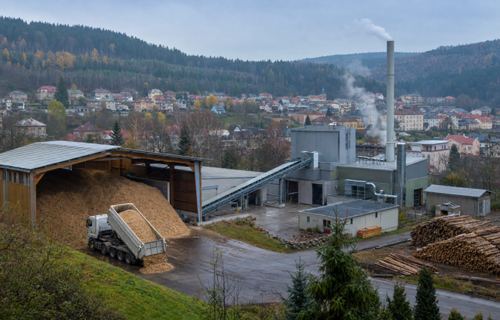
ResInvest cited the municipal heating company in Strakonice as an example of a conversion from coal. The plant burned approximately 90,000 tonnes of coal in 2018 but now bases its production mainly on biomass, particularly wood chips.
The conversion indicates that biomass can replace coal in some local heating systems when appropriate equipment and sufficient fuel supplies are available. The Strakonice plant says it seeks to obtain biomass from local producers and considers the sustainability of its supply chain.
The example does not necessarily apply to every heating plant. The feasibility of similar conversions will depend on local infrastructure, fuel availability, environmental requirements and the cost of alternative energy sources.