Monday, 26 October 2026
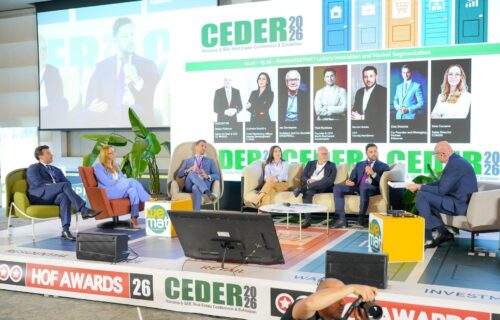
The first Residential panel held at CEDER 2026 highlighted a necessity of collaboration over isolated competition on the Romanian residential market. Industry experts invited to participate in the panel suggest that there is ample reason to create integrated ecosystems that require developers to look beyond their own property lines.
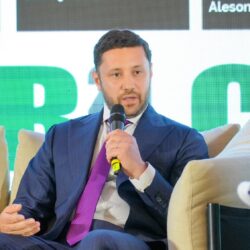
Alex Skouras, Co-Founder and Managing Partner of Alesonor, argues that achieving the “15-minute city” ideal—where all essential amenities are within a short walk—requires a macro view of urban development. He emphasizes that developers must move past a narrow focus on their own plots to engage with the broader environment: “A proper, in my view, 15-minute city project is exactly what you mentioned, that you have to step out and zoom out. As I was saying earlier, talk to authorities, understand what they are able to deliver, where we can support them, where they can support us, have a proper collaboration (…) not only our project (…) but talking what’s happening all around the area.”
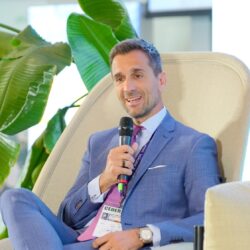
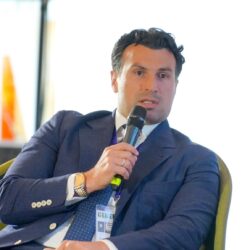
Jan Demeyere, Architect and Co-Founder of SPEEDWELL echoes this sentiment, noting that focusing solely on one’s own site can lead to inefficient and redundant services. He proposes a more practical, shared approach to infrastructure that benefits the entire community: “We are neighbors, we are doing a project next to each other. I can build a kindergarten; you can build a kindergarten. Maybe we should sit together and build a kindergarten together instead of working on our plot. And that’s the 15-minute city that’s sharing amenities with other developers around and not trying to do everything on your spot itself.”
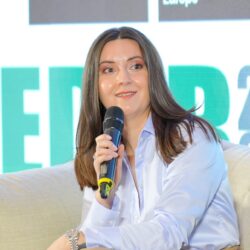
Irina Caraene, Sales Director of CORDIA, identifies a lack of professional unity as a hurdle to progress, particularly when dealing with public authorities. She suggests that the path to successful urban regeneration is paved with stronger relationships between competitors. When asked what she thinks is wrong about the Romanian real estate market today, she explains: “I think not making very strong friendship with the competitors. Because we tried, all of us, we tried a lot of public-private partnership with the authorities and we didn’t succeed. And I think… us! [It] depends on us to get along [with] each other and to meet often and to have common projects… We have to get closer, more and to try to make very good ecosystems, especially in the areas where we are making urban regeneration.”
Ultimately, this shift toward collaboration is seen as a way to transition from seeking “short-term profits” to creating long-term value that elevates the quality of life for all residents.