Thursday, 17 September 2026
Leonardo Hotels will take over the operation of a 250-room hotel in Düsseldorf following a long-term leasing agreement with a joint venture between ABG Real Estate Group and bema group, extending the operator’s presence in the German hotel market.
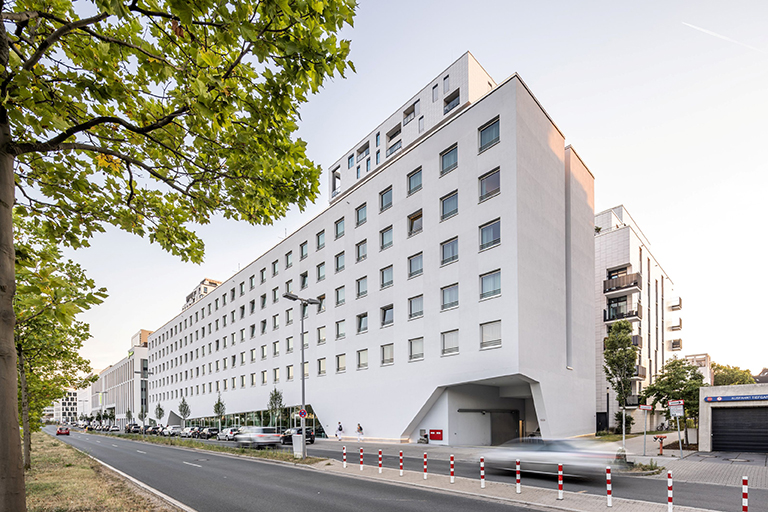
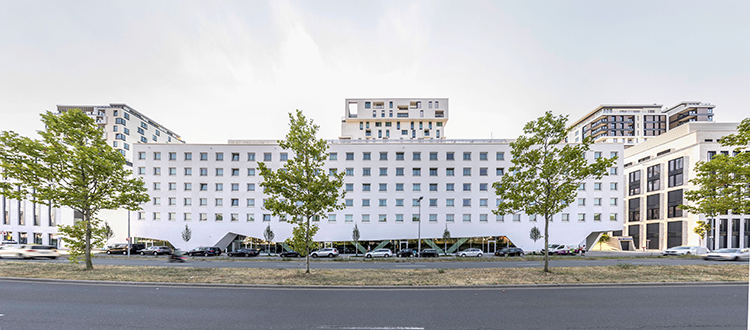
The property at Toulouser Allee will operate as Leonardo Smart Hotel Düsseldorf. Completed in 2022 and previously operated as an H2 Hotel, the building provides approximately 10,300 sqm and comprises nine levels, including two basement floors. It holds a BREEAM Very Good certification.
The hotel forms part of Le Quartier Central, the mixed-use district created on the former Düsseldorf-Derendorf freight railway site. The redevelopment has introduced residential, commercial and leisure uses to the former railway land, with the hotel occupying one of the sites within the wider urban quarter.
Leonardo’s arrival represents a change of operator rather than additional hotel development in Düsseldorf. The existing building was designed for hotel use and can accommodate the new operating concept without a change in its principal function. Financial terms and the precise duration of the lease have not been disclosed.
The property will become part of Leonardo’s recently introduced Smart format, which combines hotel accommodation with greater use of digital processes, including self-check-in and self-service facilities. The concept also incorporates communal and working areas alongside food and beverage services.
The Düsseldorf agreement forms part of a wider expansion by Leonardo Hotels in Germany. The group recently announced the addition of four former Revo Hotels properties in Berlin, Düsseldorf and Dortmund, representing a combined 1,040 rooms. The Düsseldorf property will become Leonardo’s fifth hotel in the city and its first Smart-branded property in North Rhine-Westphalia.
For owners ABG and bema, the agreement maintains the building’s hotel function under a new long-term operating arrangement four years after completion. The two companies have worked together on several property developments in North Rhine-Westphalia, including projects in Düsseldorf and Cologne.
The transaction also demonstrates the importance of flexibility in relatively new hotel properties. Buildings capable of accommodating changes in operator, brand and service model can provide owners with additional options when leasing or management arrangements change, particularly as hotel groups continue to adjust their portfolios and introduce new operating formats.
Rather than adding another hotel building to Düsseldorf’s existing supply, the transaction places an established property under a new operator and secures its continued hotel use through a long-term lease.