Bitcoin fails as a safe haven investment, DIW Berlin study finds

A new study conducted by the German Institute for Economic Research (DIW Berlin) has determined that Bitcoin is not a viable safe haven asset, as its returns closely mirror those of equities rather than exhibiting the stability expected of a financial hedge. In contrast, gold, which has long been recognized as a traditional safe haven, remains largely independent of market fluctuations, making it a more reliable option for diversification and risk management.

The study, led by Alexander Kriwoluzky, head of the Macroeconomics Department at DIW Berlin, and Christoph Schneider, Professor of Finance at the University of Münster, analyzed the monthly returns of gold, Bitcoin, and US and German stocks and bonds over the past decade. Their findings indicate that Bitcoin’s return trends strongly correlate with those of equities, whereas gold’s performance remains unlinked to the fluctuations of stocks and bonds, especially during financial crises. This key distinction suggests that Bitcoin does not offer the same protective qualities as gold in times of economic uncertainty.

Despite Bitcoin’s meteoric rise in value over recent years, its high volatility and unpredictable swings make it an unreliable asset for risk-averse investors. Many still view Bitcoin as an alternative asset class, but its behavior during market downturns paints a different picture. ‘Unlike gold, however, Bitcoin does not provide a safe haven. It moves in tandem with the stock market, often declining when equities fall,’ explains Kriwoluzky. ‘Additionally, Bitcoin’s exchange rate is highly unstable, making it a far riskier investment than gold, which has long been valued as a stable store of wealth.’

Beyond investment concerns, the study also dismisses Bitcoin’s suitability as a currency reserve for central banks. Given its extreme price fluctuations and lack of intrinsic yield, the cryptocurrency does not compare favorably to government bonds, particularly German government bonds, which offer greater stability for diversification and hedging purposes. The debate over Bitcoin as a currency reserve, which gained traction in the United States with endorsements from figures such as Donald Trump and Elon Musk, is found to be lacking a substantive foundation. Schneider emphasizes this point, stating, ‘This discussion was widely adopted in German-speaking regions without critical evaluation, despite Bitcoin’s clear risks and volatility. As a result, Bitcoin is entirely unsuitable as a currency reserve.’

The study underscores the ongoing debate surrounding Bitcoin’s role in modern finance, challenging widespread narratives that position it as a digital equivalent to gold. While its speculative appeal remains strong, Bitcoin does not currently fulfill the role of a safe-haven asset or a stable reserve currency, leaving investors and institutions to reconsider its long-term value in diversified portfolios.

Source: DIW Berlin

German Office Market in 2025: Navigating challenges amidst signs of stabilization

Germany’s office real estate sector remains under pressure in 2025, with a mixture of challenges and glimmers of hope pointing towards potential stabilization. While commercial property values continue to decline, slight upticks in certain indicators suggest that the worst may be over, though full recovery remains elusive. Investors, landlords, and tenants are cautiously adapting to a transformed landscape, marked by shifting demand patterns, evolving workplace strategies, and macroeconomic uncertainties.

Market Performance and Indicators

According to the latest data from the Association of German Pfandbrief Banks (VDP), commercial property prices recorded a 4.7% decline in the third quarter of 2024 compared to the same period the previous year. However, a marginal 0.7% uptick from the second quarter of 2024 hints at a potential leveling off in market depreciation. Analysts interpret this as an early sign of stabilization but stress that economic fragility and geopolitical tensions continue to weigh on investor confidence.

A key player in Germany’s real estate financing landscape, Deutsche Pfandbriefbank (PBB), reported a slight dip in its annual net profit for 2024, posting €90 million compared to €91 million in 2023. While the decrease appears minor, it underscores the slow and uneven recovery process for commercial real estate. PBB has characterized the current climate as “the greatest real estate crisis” since the 2009 financial downturn, citing ongoing difficulties in both German and international markets.

Despite the subdued recovery, PBB reduced its risk provisions from €212 million to €170 million. This decline is attributed to fewer bad loans associated with U.S. office properties and German real estate developments. However, the bank remains cautious, with CEO Kay Wolf emphasizing that market improvements remain gradual and highly dependent on broader economic shifts, including interest rate policies and corporate sentiment.

Notable Developments

In one of the most significant leasing deals of the year, Commerzbank has committed to a 15-year lease for a new high-rise office in Frankfurt. The new tower, slated for completion by the end of 2028, will accommodate approximately 3,200 employees in a consolidated workspace adjacent to the bank’s primary headquarters. This move signals a strategic shift in corporate real estate decision-making, prioritizing efficiency, employee experience, and long-term cost optimization over excessive office footprints.

The decision also reflects broader trends in the German office sector, where companies are re-evaluating their space requirements in response to hybrid work models. While some firms continue to downsize their physical office presence, others, like Commerzbank, are opting for strategic consolidation—bringing employees together in high-quality, well-located spaces that enhance collaboration while ensuring operational efficiency.

Outlook and Key Considerations

While some market data suggests stabilization, the German office sector remains susceptible to external pressures. High interest rates, ongoing economic sluggishness, and geopolitical tensions continue to impact both occupiers and investors. The European Central Bank’s (ECB) monetary policy decisions in 2025 will be a crucial determinant of market movement, as interest rate cuts could potentially stimulate investment and ease financing costs for property owners and developers.

Moreover, the demand for high-quality, sustainable office spaces remains strong, with companies increasingly prioritizing ESG-compliant buildings. Investors and landlords who adapt to these shifting priorities stand a better chance of maintaining occupancy rates and rental income in an otherwise challenging environment.

Looking ahead, stakeholders should brace for a prolonged adjustment period rather than a swift recovery. The coming months will likely be characterized by continued market fluctuations, with selective opportunities emerging for those positioned to capitalize on shifting demand dynamics. In this uncertain but evolving landscape, strategic adaptability and forward-looking investment decisions will be key to navigating Germany’s office real estate market in 2025.

Source: comp.

Munich airport strike disrupts flights, including Prague connections

A large-scale warning strike at Munich Airport has led to the cancellation of approximately 80% of flights, including all connections between Munich and Prague for Thursday and Friday. The two-day protest, organized by the Verdi union, is part of ongoing wage negotiations for public sector workers. The strike, which began at midnight, will continue until early Saturday morning.

The strike involves key airport personnel, including maintenance staff, IT services, security personnel, baggage handlers, and transport workers. Munich Airport, Germany’s second-largest after Frankfurt, had 830 scheduled departures and arrivals each day, most of which have now been cancelled. The disruption has also extended to Hamburg Airport, where 300 employees have joined the strike, leading to the cancellation of seven flights, mainly to Munich.

Verdi is demanding an 8% wage increase, or a minimum €350 per month (approximately CZK 8,700), along with an additional three days of vacation for airport workers. The strike is part of a broader labor dispute between the union, municipal employers, and the German government over public sector wages. While airlines are not directly involved in the negotiations, the strike is significantly affecting air travel across Germany.

Beyond airports, workers in Essen’s waste collection services, medical staff at clinics in Erfurt and Hamburg, as well as municipal cleaning and port employees have also joined the protests. The strike is expected to put additional pressure on employers as negotiations continue.

While Munich remains the most affected airport, further disruptions across the German transport network remain possible as Verdi continues to push for wage increases and improved working conditions.

Source: CTK

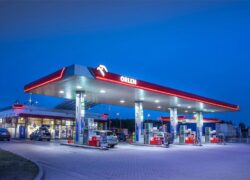
ORLEN reports record profits and dividend for 2024

The ORLEN Group recorded a net profit of PLN 4.6 billion in the fourth quarter of 2024, five times higher than the previous year. The company’s management board has proposed a record dividend of PLN 6 per share, supported by strong performance across all business segments. The Mining and Gas divisions were the primary contributors, generating 70% of EBITDA, while the Refining and Power segments saw an increase of PLN 2 billion year-on-year. Retail and Petrochemicals also posted growth, with a 19% increase in sales in the latter.

For the full year, ORLEN’s adjusted EBITDA LIFO stood at PLN 43.5 billion, matching the previous year’s performance. The refining sector processed 9.6 million tonnes of oil across facilities in Poland, the Czech Republic, and Lithuania. The company’s power generation segment reached nearly PLN 2.3 billion in EBITDA, supported by lower gas prices and operational efficiencies. More than 70% of the ORLEN Group’s electricity production now comes from renewable and gas-fired sources.

The retail segment contributed PLN 660 million in EBITDA, driven by market expansion and operational efficiency. The network grew by 347 stations, bringing the total to 3,517 across seven European countries. The number of alternative refuelling stations increased to 869, while non-fuel retail points exceeded 2,700.

The Upstream segment reported the highest contribution, generating PLN 5 billion in EBITDA due to increased gas prices and expanded operations in Norway. Gas imports rose by 7%, with LNG accounting for 44% of supply. Storage capacity utilization reached 86% by the end of the quarter.

ORLEN’s financial position remains strong, with PLN 10.4 billion in cash flow from operations in the fourth quarter, doubling from the previous year. The company also secured PLN 3.5 billion in financing from the European Investment Bank to support energy infrastructure projects, and raised $1.25 billion in its first bond issue on the North American market.

Looking ahead, ORLEN is advancing its energy transition efforts, including offshore wind power and expanding renewable energy capacity to 12.8 GW within the next decade. It has also secured contracts for crude oil supply from Norway, covering 15% of its annual demand. The company’s ongoing strategy aims to enhance energy security and efficiency, while maintaining stable financial growth and investor confidence.

EBRD revises growth forecast downward amid trade and investment challenges

The European Bank for Reconstruction and Development (EBRD) has lowered its economic growth forecast for its investment regions in 2025, revising it down by 0.3 percentage points compared to its previous outlook in September 2024. Growth is now expected to reach 3.2% this year before rising to 3.4% in 2026, according to the latest Regional Economic Prospects report.

The downward revision is attributed primarily to weaker external demand affecting central Europe, the Baltic states, and southeastern EU economies. Additionally, ongoing conflicts and a slow pace of reform continue to impact growth in the southern and eastern Mediterranean (SEMED) region.

Ukraine and Broader Economic Pressures

Ukraine’s economic outlook has been revised downward due to persistent damage to its electricity infrastructure caused by Russian attacks, which have hampered industrial production. The country’s GDP is projected to grow by 3.5% in 2025, with a potential increase to 5.0% in 2026, assuming a ceasefire is in place by the end of the year.

The report highlights a broader economic slowdown across EBRD regions, citing subdued global growth and increasing trade and investment fragmentation. It notes a widening performance gap between advanced European economies and the United States, partly due to uncertainty over potential US tariff increases and retaliatory trade measures.

If the United States were to impose an additional 10 percentage points in tariffs on all imports, GDP in EBRD regions could decline by 0.1% to 0.2% in the short term. The economies most vulnerable to such measures include Jordan, Slovakia, Hungary, and Lithuania due to their trade exposure to the US. Meanwhile, Bulgaria, Slovenia, and Romania are particularly affected by the recently announced US tariffs on steel and aluminium.

While trade restrictions present risks, the report also notes that some economies with privileged access to the US market—such as Uzbekistan, Vietnam, Mexico, the UAE, and Saudi Arabia—could benefit from trade diversion and increased foreign direct investment (FDI).

Geopolitical Tensions and Inflation Trends

The EBRD points to rising geopolitical tensions as a key factor driving a sharp decline in trade and FDI flows between geopolitical blocs, with the US-led West and the China-Russia axis increasingly operating in separate economic spheres. At the same time, FDI from the US and China has surged in so-called “connector” economies that serve as intermediaries in global trade.

Inflation in the EBRD regions has eased, falling from a peak of 17.5% in October 2022 to 5.9% in December 2024. However, it remains more than one percentage point above pre-pandemic levels, with inflationary pressures increasingly driven by domestic demand factors such as expansionary fiscal policies and rapid wage growth.

“While inflation has dropped notably, the sources of inflationary pressures have shifted,” said Beata Javorcik, the EBRD’s Chief Economist. “Fiscal policy and wage dynamics now play a much greater role, and the path ahead requires careful policy calibration to ensure a stable growth trajectory.”

The report also highlights fiscal challenges across EBRD regions, with government deficits widening due to rising industrial policy costs, ageing populations, and increased defence spending. Defence expenditures in EBRD economies have nearly doubled over the past decade, rising from 1.8% of GDP in 2014 to 3.5% in 2023, with further increases expected.

Regional Growth Projections
• Central Europe and the Baltic States: Growth is forecast at 2.7% in 2025 and 2.8% in 2026. The downward revision for 2025 reflects weaker demand from advanced European economies, which has affected exports and investment.
• Southeastern EU: Growth slowed to 1.5% in 2024 but is expected to recover to 2.1% in 2025 and 2.4% in 2026.
• Western Balkans: Growth is projected to remain stable at 3.6% for both 2025 and 2026.
• Central Asia: Growth declined to 5.4% in 2024, down from 5.7% in 2023, but is expected to recover to 5.7% in 2025 before moderating to 5.2% in 2026.
• Eastern Europe and the Caucasus: Growth slowed to 3.9% in 2024, with a further decline to 3.6% expected in 2025 before rising to 4.3% in 2026.
• Türkiye: Growth moderated to 2.9% in 2024, down from 5.1% the previous year. A recovery to 3.0% is expected in 2025, followed by 3.5% in 2026 as inflation declines and real wages improve.
• Southern and Eastern Mediterranean: Growth stood at 2.5% in 2024, constrained by conflicts and slow reform progress. A recovery to 3.7% is expected in 2025, followed by 4.1% in 2026.

The report underscores the need for policy adjustments to address structural weaknesses in EBRD economies, particularly in response to evolving geopolitical and trade dynamics. While inflation has eased and investment flows are adjusting to new global patterns, continued vigilance is required to maintain economic stability amid ongoing challenges.

Source: EBRD

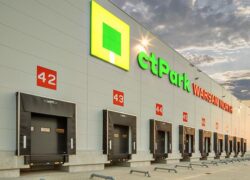
CTP reports EUR 1.1 billion profit for 2024, driven by rental growth and development expansion

CTP N.V. (CTP) has reported a record profit of €1.1 billion for 2024, reflecting strong rental growth, high occupancy rates, and an expanding development pipeline. The company’s net rental income increased by 19% year-on-year to €646.8 million, while company-specific adjusted EPRA earnings rose 12.5% to €364 million.

Gross rental income grew by 16.1% to €664.1 million, supported by a 4% like-for-like rental increase driven by indexation and lease renegotiations. As of 31 December 2024, the company’s annualised rental income stood at €742.6 million, with a 93% occupancy rate across its portfolio.

Development and Portfolio Growth

CTP completed 1.3 million square meters of new developments in 2024, with a yield on cost of 10.1% and 92% of the space leased upon completion. This brought the company’s total gross lettable area (GLA) to 13.3 million square meters. The group’s total asset value increased by 17.2% to €16 billion, while its EPRA NTA per share grew by 13.6% to €18.08.

At the end of 2024, CTP had 1.8 million square meters under construction, with an expected rental income of €142 million once fully leased and a yield on cost of 10.3%. The company also expanded its landbank to 26.4 million square meters, securing long-term growth opportunities.

Market Demand and Leasing Activity

CTP signed leases for 2.1 million square meters in 2024, a 7% increase from the previous year. The company reported a rent collection rate of 99.8%, highlighting the stability of its tenant base. Rental income was further supported by the nearshoring trend, with Asian manufacturers producing in Europe for the European market accounting for 20% of CTP’s leasing activity in 2024.

CEO Remon Vos noted the continued demand for industrial and logistics real estate in Central and Eastern Europe (CEE), driven by supply chain modernization, e-commerce growth, and nearshoring. “We have a strong leasing pipeline for 2025, which will allow us to maintain our development pace of over 10% of new GLA per year,” he said.

Financial Performance and Outlook

CTP maintained a solid balance sheet with a loan-to-value (LTV) ratio of 45.3%, down from 46% in 2023. The company successfully raised €300 million in equity through an oversubscribed accelerated bookbuild, allowing it to fund further developments and acquisitions, including an 830,000-square-meter brownfield redevelopment in Düsseldorf.

The company has set a 2025 guidance for company-specific adjusted EPRA EPS between €0.86 and €0.88. It expects to continue delivering double-digit NTA growth, supported by development completions and rental income expansion.

CTP has proposed a final 2024 dividend of €0.30 per share, bringing the total annual dividend to €0.59 per share, a 12.4% increase from the previous year. The default dividend option is scrip, though shareholders can opt for cash payment.

Future Developments and Investment Strategy

Looking ahead, CTP plans to deliver between 1.2 million and 1.7 million square meters of new developments in 2025, with 35% of this space already pre-leased. The company aims to reach €1 billion in rental income by 2027 and 20 million square meters of GLA by the end of the decade.

CTP continues to focus on tenant-led development, with 80% of its projects under construction located in existing parks. The company is also expanding its renewable energy initiatives, with 138 MWp of installed photovoltaic capacity and a target yield on cost of 15% for energy investments.

With a strong financial position, high occupancy rates, and a growing development pipeline, CTP expects to maintain its market leadership in the industrial and logistics real estate sector across Central and Eastern Europe.

New EU legislation exempts 95% of Romanian companies from ESG reporting

A recent European Commission reform significantly reduces the number of Romanian companies required to report on environmental, social, and governance (ESG) performance. Under the Omnibus proposal, the number of companies subject to ESG reporting in Romania will drop from over 6,000 to just 300, marking a 95% reduction.

The revision of the Corporate Sustainability Reporting Directive (CSRD) now limits mandatory reporting to companies with more than 1,000 employees. This change exempts most small and medium-sized enterprises (SMEs), including those listed on the stock exchange, from ESG disclosure obligations. Across the European Union, the total number of companies affected by CSRD regulations is expected to decrease by 80%.

Impact on Romanian Businesses

For Romania, the policy adjustment will remove ESG reporting requirements for approximately 5,700 companies, leaving only large corporations, primarily multinationals, within the directive’s scope. The move is aimed at reducing administrative burdens for SMEs and allowing them to focus resources on direct sustainability measures rather than compliance paperwork.

“This reform is not a retreat from sustainability goals but a recognition of the need to balance regulatory requirements with economic realities,” said Răzvan Nica, founder of BuildGreen and CEO of Carbon Tool, a company specializing in sustainability consulting. “By streamlining reporting obligations, businesses can redirect funds toward carbon footprint reduction, energy efficiency improvements, and technological advancements that produce tangible economic and environmental benefits.”

Data from Eurostat places Romania 22nd among EU countries in terms of ESG reporting, with only 12% of SMEs currently using structured systems to monitor sustainability metrics. In contrast, in countries such as Sweden and Denmark, over 60% of SMEs voluntarily report ESG performance. The impact of the new policy will therefore vary across different European markets.

Strategic Adjustments for Businesses

Despite the exemption from mandatory ESG reporting, sustainability remains a critical factor for businesses, particularly for securing green financing. BuildGreen advises Romanian companies to maintain a proactive approach by adopting ESG practices voluntarily.

The company recommends:
• Implementing ESG systems: Even without reporting obligations, sustainability standards are key for businesses seeking financing aligned with environmental goals.
• Aligning with international frameworks: Voluntary compliance with CSRD, the Global Reporting Initiative (GRI), or the Task Force on Climate-Related Financial Disclosures (TCFD) can facilitate access to international markets.

BuildGreen and Carbon Tool plan to continue supporting Romanian businesses in integrating sustainability into their long-term strategies, offering consulting services and practical solutions for managing environmental impact efficiently.

EIB Global invests USD 75 million in Helios Fund V to support African businesses

The European Investment Bank (EIB Global) has committed $75 million to Helios Investors V, L.P. (Helios Fund V) to support the growth of digital infrastructure, financial services, and technology-focused businesses across Africa. The investment was announced by EIB Vice-President Ambroise Fayolle at the Finance in Common Summit in Cape Town, South Africa.

Helios Investment Partners, the fund’s manager, is the largest private investment firm focused on Africa. The fund will target businesses that align with the EU-Africa Global Gateway Investment Package, supporting sectors such as digital infrastructure, financial services, and tech-enabled services, including healthcare, education, and training. It aims to enhance digital connectivity by investing in data centers, fibre-optic networks, and telecom infrastructure, as well as financial and technology services that facilitate digital payments and financial management.

As part of its commitment to social impact, Helios has pledged to invest at least 30% of its portfolio in companies that meet the EIB’s gender equality criteria. The firm joined the 2X Global network in early 2024, reinforcing its focus on gender-inclusive initiatives such as mentorship programs, leadership training, and increased opportunities for women in senior roles.

The EIB’s investment in Helios Fund V is part of its broader effort to increase private capital flows into Africa, in coordination with other European development finance institutions. Last year, EIB Global invested €232 million in funds operating across the continent, representing nearly half of its total fund investments.

South Africa’s Deputy Minister of Finance, David Masondo, welcomed the investment, emphasizing its role in strengthening business collaboration and mobilizing capital for high-impact sectors. He noted that such initiatives support industrial growth, job creation, and economic resilience.

EIB Vice-President Ambroise Fayolle highlighted Helios’ extensive experience in Africa, describing the firm as a key partner with strong investment networks and a significant local presence. He stated that the investment aligns with the Global Gateway priorities and aims to support value-driven and socially responsible enterprises in Africa.

The investment reflects a broader effort to drive private sector-led economic development in Africa, with private equity firms playing a crucial role in bringing external capital, expertise, and technical support to local businesses.

Increase in cash loans as installment and mortgage lending declines in January

The Polish credit market saw a significant rise in cash loan activity at the start of the year, while mortgage and installment loans experienced sharp declines, according to data from the Credit Information Bureau (BIK).

In January 2025, banks and credit unions issued 27.2% more cash loans compared to the same period last year. The total value of these loans surged by 43.3% year-on-year, reaching PLN 9.257 billion, marking the highest recorded monthly value for cash loans. This increase was largely driven by high-value loans exceeding PLN 50,000, reflecting both consolidation of existing debts and increased consumer spending. The average cash loan granted in January stood at PLN 25,788, up 12.6% from the previous year.

Despite the rise in cash loans, installment loans saw a 24.2% drop in the number of loans issued, with the total value decreasing by 12.2% year-on-year. The decline was attributed to fewer small-value installment loans, particularly in deferred payment transactions. However, the average value of an installment loan increased by 15.8%, reaching PLN 1,979, due to a higher share of financing for more expensive goods and services.

The mortgage market also saw a sharp decline. The number of housing loans issued in January was 34.3% lower than in the same month last year, while the total value of new mortgage lending fell by 32.6% year-on-year and 10.2% month-on-month. However, experts note that the decline is largely due to the impact of the Safe Loan 2% program, which boosted lending figures in early 2024. Adjusting for that effect, mortgage lending would have shown a 78.2% increase year-on-year. The average value of a new mortgage loan in January was PLN 44,500, 2.6% higher than a year ago.

Loan repayment quality continued to improve, with all four key Bank Credit Quality Indices showing better results both month-over-month and year-over-year. Analysts attribute this to rising wages and stable interest rates. The mortgage loan quality index stood at 0.7%, while installment loans recorded 1.36%, indicating a low-risk lending environment.

While the credit market remains stable, analysts continue to monitor potential risks, particularly in mortgage lending, where future trends may depend on government support programs and interest rate adjustments.

Source: BIK

Logistics sector adapts to ESG regulations and green investments

The logistics industry is accelerating its transition toward sustainability, driven by new ESG reporting requirements and the need for eco-friendly innovations. With the European Commission estimating that 50,000 companies will be subject to ESG regulations, only 42% feel prepared for compliance. These regulations apply to firms with more than 250 employees, revenue exceeding €40 million, or assets over €20 million.

Companies are implementing environmental management systems to track greenhouse gas emissions, energy use, and sustainability indicators. Digital solutions such as ESG reporting software are being adopted to streamline data collection and analysis. Firms like Geis Group and cargo-partner are leveraging these tools, while also working on carbon reduction strategies such as green energy sourcing, route optimization, and fleet electrification.

Eco-innovation in transport is gaining momentum as firms explore alternative fuels, biofuels, and electric vehicles. Companies are also securing HVO100 biofuel, which can reduce CO₂ emissions by up to 90%, though its 25-50% higher cost compared to diesel remains a challenge. Meanwhile, state incentives for biofuels remain limited, impacting the speed of adoption.

Multimodal transport solutions, combining rail and road freight, are emerging as another sustainable alternative. SAF fuel and biomethane-blended fuels are now being used in air and maritime shipping, helping reduce emissions by 25% to 84%. Despite infrastructure and cost challenges, logistics companies are prioritizing sustainable investments to align with ESG goals and enhance competitiveness in an evolving market.

LATEST NEWS