Sunday, 4 October 2026
Skanska has completed the sale of the second and final office building within its Studio development in Warsaw to Stena Real Estate AB for EUR 159 million (approximately SEK 1.7 billion), marking the completion of the disposal of the two-phase office complex.
The transaction will be recognised by Skanska Commercial Development Europe in the third quarter of 2026, while the transfer of ownership is expected to take place during the fourth quarter.
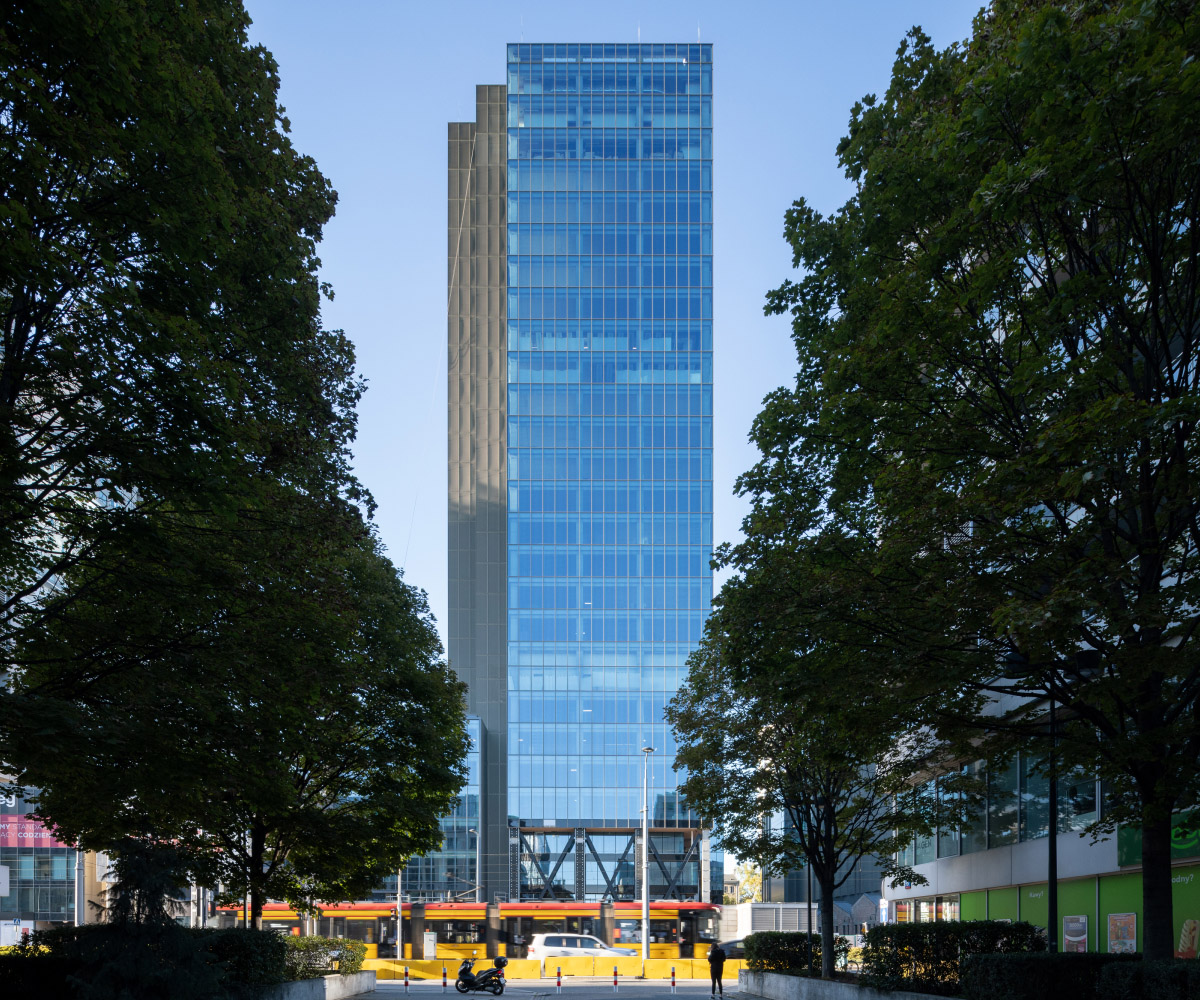
Completed in the fourth quarter of 2025, the office tower provides approximately 27,700 sqm of gross leasable area across 26 above-ground floors. The building is occupied by companies operating in sectors including finance, energy, pharmaceuticals, technology and professional services.
The property has been designed with a focus on workplace wellbeing, operational efficiency and sustainability. It is targeting LEED and WELL certifications, together with Building without Barriers, WiredScore and SmartScore accreditations. Digital building management technologies, including a digital twin supported by artificial intelligence, are used to optimise energy performance, operational efficiency and building management. The development also incorporates advanced digital infrastructure and a mobile wallet-based access system.
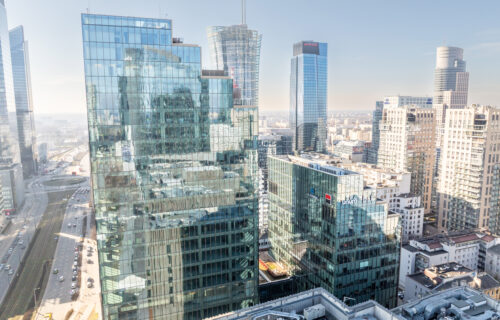
Studio is located in Warsaw’s Wola district, one of the city’s fastest-growing office locations, with access to two metro stations and an extensive public transport network. The two-building development has been designed around a landscaped public square that combines green space, seating areas and amenities intended to support employee wellbeing and encourage interaction.
The first building of the Studio complex was acquired by Stena Real Estate AB in the second quarter of 2024, making the latest transaction the completion of the investor’s acquisition of the entire project.
The sale reflects continued investor demand for high-quality office assets in Warsaw despite a more selective European investment market. Prime office buildings with strong environmental credentials, modern digital infrastructure, established occupiers and locations close to public transport continue to attract institutional capital, particularly in core business districts such as Wola, where new supply remains comparatively limited relative to demand for premium workspace.