Thursday, 10 September 2026
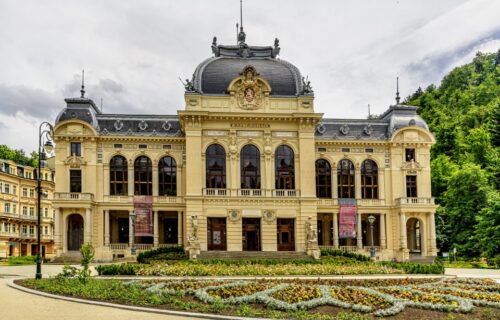
The restoration of the historic Imperial Spa building in Karlovy Vary demonstrates how the success of heritage renovation projects often depends not only on major architectural interventions but also on carefully selected technical and design elements.
Completed in 2023, the renovation returned one of the Czech Republic’s most significant spa buildings to active use while preserving its historical character. Originally constructed in the late 19th century, the Neo-Renaissance landmark is now used as a cultural and social venue following a comprehensive modernisation programme carried out between 2019 and 2023.
As part of the project, planners faced the challenge of integrating modern building systems into a protected historical environment. The selected heating solution needed to meet contemporary performance standards while remaining visually consistent with the building’s original architecture.
To achieve this, sectional steel radiators from Zehnder’s Charleston range were installed throughout the property. According to the company, the radiators were chosen for their ability to blend naturally with the proportions, colours and decorative features of the historic interiors.
The project illustrates a broader trend in heritage restoration, where technical infrastructure is increasingly expected to contribute to the overall architectural experience rather than remain purely functional. In protected buildings, elements such as lighting, ventilation, heating systems and interior fittings often play a significant role in maintaining authenticity while ensuring modern usability.
Beyond aesthetics, the heating system also needed to address the operational requirements of the building. The Imperial Spa uses heat recovered through its ventilation system, with the radiators providing supplementary heating when necessary. The solution was designed to efficiently serve large spaces with high ceilings, a characteristic feature of historic spa architecture.
Project stakeholders emphasised that long-term reliability and energy performance were key considerations alongside visual integration. After several years of operation, the heating system has continued to support both visitor comfort and the building’s day-to-day functionality.
The renovation of the Imperial Spa has become one of the most prominent examples of heritage-led regeneration in the Czech Republic in recent years. The project demonstrates how the preservation of historic architecture increasingly relies on balancing conservation requirements with modern technical standards, ensuring that landmark buildings remain both functional and relevant for future generations.
The restoration also highlights how seemingly minor details can influence the perception of a space. While visitors may focus primarily on grand staircases, decorative ceilings and restored facades, carefully integrated technical elements often play an equally important role in shaping the overall atmosphere and user experience within historic buildings.