Sunday, 4 October 2026
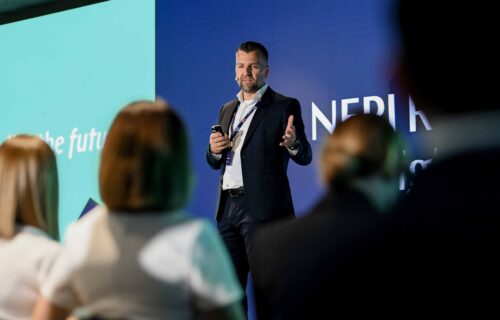
More than 150 representatives of international retail brands gathered in Zagreb for NEPI Rockcastle’s annual Retailers Day, where the retail property owner outlined its expansion plans and presented the latest trends shaping consumer markets across Central and Eastern Europe.
Held under the theme “Spreading Our Wings, Elevating Retail Together”, the event focused on the role of collaboration between landlords, retailers and local communities in supporting the next phase of retail growth across the region.
NEPI Rockcastle owns and manages a portfolio of 60 retail properties across eight countries with a total value of approximately €8.2 billion. The company highlighted the continued strength of consumer spending in Central and Eastern Europe, noting that purchasing power across the region increased by 13.2 percent in 2025, significantly outpacing the European Union average.
Opening the event, CEO Marek Noetzel said the company continues to pursue growth through both development activity and potential acquisitions.
The company’s ongoing investment programme includes €845 million of development and refurbishment projects. Among the most significant is the transformation and extension of Promenada Mall in Bucharest, a mixed-use project with a total investment of approximately €300 million scheduled for completion in April 2027.
According to NEPI Rockcastle, the existing Promenada Mall currently comprises 39,000 sqm of retail space and 166 tenants. The extension will increase the retail area to 69,000 sqm while introducing office and hospitality components within a broader mixed-use destination.
The company also reported strong operational performance across its portfolio during 2025, recording 354 million visits and an increase of more than 8 percent in average customer spending while maintaining stable visitor numbers.
Economic experts participating in the event noted that consumer demand in Central and Eastern Europe has remained resilient despite geopolitical uncertainty and slower growth in some Western European markets. They pointed to rising household incomes, relatively low unemployment and continuing wage growth as factors supporting retail spending across the region.
NEPI Rockcastle said retailer expansion remains a key focus across its platform. The company reported a portfolio vacancy rate of just 1.2 percent and nearly 1,500 lease agreements signed during 2025. Management highlighted the importance of early collaboration with retailers when planning future store openings and expansions.
One example of the company’s asset management strategy is Arena Centar in Zagreb. Since acquiring the shopping centre in 2016, NEPI Rockcastle has overseen a significant expansion and repositioning of the asset. The centre now comprises approximately 66,000 sqm of gross leasable area and has recorded substantial growth in both sales and visitor numbers. Further expansion is planned later this year through the addition of new retail units.
Marketing and customer engagement also remain a priority for the group. NEPI Rockcastle organises more than 1,200 events and promotional campaigns annually across its portfolio and continues to invest in digital marketing initiatives aimed at strengthening customer communities around its shopping centres.
The event concluded with discussions on the future of retail and the growing role of artificial intelligence in shaping customer experiences. Speakers suggested that advances in personalisation technologies are likely to strengthen the role of physical retail by creating more engaging and experience-driven shopping destinations.
Alongside the business programme, NEPI Rockcastle continued its community support initiatives by making a €5,000 donation to the Croatian Music Institute, a historic cultural institution currently undergoing restoration following earthquake damage.
Retailers Day 2026 highlighted the continued attractiveness of Central and Eastern Europe’s retail markets, with industry participants pointing to strong consumer fundamentals, ongoing investment and active cooperation between landlords and retailers as key drivers of future growth.