CRIF: Corporate bankruptcies in the Czech Republic rise by 5% in 2024

In 2024, 686 corporate bankruptcies were declared in the Czech Republic, marking a 5% year-on-year increase with 35 more cases than in 2023. Additionally, 1,082 bankruptcy petitions were filed, 27 more than the previous year, according to an analysis by CRIF – Czech Credit Bureau.

December recorded the lowest monthly figures for the year, with 48 bankruptcies and 75 insolvency petitions. The total number of bankruptcies in 2024 matched the 2022 level but remained below the 730 recorded in 2021. “Despite the rise in numbers, the rate of corporate bankruptcies relative to active companies remained stable at 16 per 10,000,” said CRIF analyst Věra Kameníčková. She also noted that corporate credit morale improved, with a lower share of non-performing loans, while corporate loans grew by 8% year-on-year, outpacing the 5% growth in deposits.

Prague reported the highest number of bankruptcies in 2024 (318 cases), followed by the South Moravian Region (100) and Moravian-Silesian Region (55). While bankruptcies in the Moravian-Silesian Region fell by 26% compared to 2023, the South Moravian Region saw a 25% increase. The Central Bohemia Region had the highest rate of bankruptcies relative to active companies, with 25 bankruptcies per 10,000 entities, a 29% year-on-year increase. In contrast, the Vysočina Region recorded just six bankruptcies per 10,000 companies, reflecting a 25% decline. The Ústí and Pardubice regions also reported low bankruptcy rates.

The trade sector led with the highest number of bankruptcies (151 cases), followed by manufacturing (108) and real estate (79). The highest bankruptcy rates per 10,000 entities were seen in transport and storage (23) and manufacturing (18). Sectors such as education, healthcare, and social assistance had the lowest rates (3), alongside information and communication activities (5), where bankruptcies decreased by 20% year-on-year.

Administrative and support services experienced a significant 74% rise in bankruptcies, driven by challenges in industries like leasing, employment agencies, and travel agencies.

The data highlights both stability in overall bankruptcy rates and areas of vulnerability across specific regions and sectors. As corporate loans and credit continue to grow, monitoring economic conditions and supporting sectors facing heightened risks will be critical for maintaining business stability in 2025.

Source: CRIF and CTK

Impact of minimum wage growth on Czech labor market

The January increase in the Czech minimum wage by CZK 1,900 to CZK 20,800 will have a ripple effect on wage conditions across various sectors, particularly in lower-paying positions. An analysis by Advantage Consulting highlights that the rise will most significantly impact industries with a high concentration of minimum-wage workers, such as cleaning, security, and less common trades like sewing. Currently, about 4% of employees, or 150,000 people, earn the minimum wage in the Czech Republic.

“The increase in the minimum wage often prompts employers to adjust wages for other roles to maintain hierarchical pay structures. This effect is particularly pronounced in sectors with a high proportion of minimum-wage workers,” explained Olga Hyklová, owner and executive director of Advantage Consulting.

In traditionally low-paying sectors, wages remain modest. Cashiers and retail workers, for example, earn an average of CZK 23,000–27,000 per month, while junior administrative roles typically pay no more than CZK 25,000. In contrast, skilled tradespeople can earn up to CZK 80,000 per month, although less specialized working-class roles average around CZK 27,000.

At the other end of the spectrum, information technology remains the highest-paying sector, with cybersecurity and data analysis specialists earning an average of CZK 120,000 per month. “Demand for digitalization and IT expertise continues to grow, boosting salaries in the field,” noted Marcela Vyskoková, marketing manager at Advantage Consulting.

In addition to IT, other lucrative roles include doctors, top managers, and technical specialists in engineering, electrical engineering, and energy. “Positions like project managers in engineering, technology development managers, and automation experts in medium to large companies can expect monthly salaries between CZK 90,000 and CZK 120,000,” added Roman Vejražka, Managing Director of Theones.

Wages vary significantly across regions in the Czech Republic. Prague, the Central Bohemian, and South Moravian Regions report the highest average wages, around CZK 55,000 per month. In contrast, the Karlovy Vary and Ústí Regions have some of the lowest averages, at CZK 35,000.

There are also notable differences between the state and private sectors, as well as between domestic and international employers. “Foreign companies typically offer higher wages and comprehensive benefits, including bonuses, flexible work arrangements, and enhanced healthcare. The private sector overall provides higher average salaries, focusing more on performance and flexibility,” Vyskoková concluded.

Source: CTK

Housing loans surge to CZK 305 billion in 2024, driven by economic recovery and rising in demand

Banks and building societies in the Czech Republic are estimated to have provided housing loans totaling CZK 305 billion in 2024, an increase of CZK 135 billion compared to the previous year. This growth includes CZK 256 billion in mortgages—nearly double the previous year’s CZK 137 billion—and CZK 49 billion from building savings loans, up by CZK 16 billion. These figures were shared by Martin Vašek, CEO of Hypoteční banka and ČSOB Stavební spořitelna, during a press conference.

“The housing market experienced a robust recovery last year. With the Czech economy rebounding, real wages increasing, and mortgage rates declining, we saw strong buyer interest and renewed growth in house prices,” Vašek noted.

Looking ahead, the total volume of housing loans could reach CZK 349 billion in 2025, provided economic conditions remain stable, according to Miroslav Zetek, Vice-Chairman of the Board at ČSOB Hypoteční banka. “Mortgage rates are influenced by global economic trends, particularly in major economies like the U.S. and the eurozone. However, we expect a gradual decline in client mortgage rates,” Zetek added.

A notable shift has occurred in mortgage fixations, with 95% of clients now opting for shorter terms of three years or less, compared to the previous preference for five years or longer. The Czech real estate market, mirroring European trends, is back on an upward trajectory. House and apartment prices have approached record levels set in 2022, while demand for overseas real estate has grown among Czech buyers. Preliminary data indicates continued price growth in 2025, with real estate prices potentially increasing by 5% or more.

In 2024, ČSOB Hypoteční banka reported that a third of its new mortgages were used to finance low-energy houses and apartments, a trend expected to rise further as households and businesses focus on energy savings. Similarly, nearly 40% of building savings loans were directed toward economical housing, with most borrowers coming from smaller towns and villages, according to Ladislav Neuhäuser, Vice-Chairman of the Board at ČSOB Stavební spořitelna.

Last year, the ČSOB Group provided CZK 63.2 billion in mortgage loans and CZK 11.2 billion in building savings loans. Over half of the mortgages were taken by young clients under 36 years old. The group, part of the KBC International Banking and Insurance Group, operates in Belgium and Central and Eastern Europe, positioning itself as a key player in the region’s housing finance sector.

With the continued economic recovery, rising real estate demand, and growing focus on sustainable housing, the Czech housing market is set to maintain its upward momentum in 2025.

Source: ČSOB and CTK

Czechia: Mortgage rates fall to 5.13% in early January, lowest since spring 2022

The average mortgage rate in early January fell to 5.13%, marking a 0.09 percentage point decrease compared to the previous month and the lowest level since spring 2022. This data, derived from the Swiss Life Hypoindex, reflects average offer rates for mortgage loans covering up to 80% of a property’s value. The decline is attributed primarily to rate cuts by the three largest banks—Česká spořitelna, ČSOB, and Komerční banka—following similar actions by smaller competitors late last year.

Experts predict mortgage rates will continue to decline modestly throughout 2025. “While rates are likely to fall further, inflation remains a limiting factor preventing a sharp drop,” explained Tom Kadaařábek, head of Swiss Life Select’s product department.

As of January, the monthly payment on a 25-year mortgage for CZK 3.5 million at 5.13% interest amounts to CZK 20,730—approximately 1,000 crowns less than the previous year. Banks are preparing for the annual spring uptick in mortgage activity, suggesting further slight rate reductions in the coming months. However, the Czech National Bank’s recent decision to maintain its current base rate indicates no dramatic shifts in mortgage rates.

According to Jiří Sýkora, a mortgage analyst at Swiss Life Select, this gradual downward trend may persist throughout 2025, with rates potentially approaching the 4% threshold.

Source: CTK

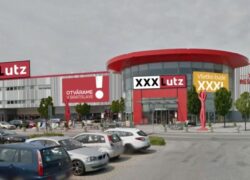
Austrian furniture giant XXXLutz expands with acquisition of German group Porta

Austrian furniture chain XXXLutz has announced its acquisition of the German operator Porta, including approximately 140 branches across Germany, the Czech Republic, and Slovakia. This strategic move also includes the Asko brand, which Porta operates in the Czech Republic with 14 stores. The transaction, whose value remains undisclosed, is pending approval from the German antitrust regulator.

With this acquisition, XXXLutz strengthens its presence in Central Europe, adding to its existing portfolio of 12 stores under its own name, 15 Möbelix outlets, and one Kika store in the Czech Republic. A spokesperson for XXXLutz, Thomas Saliger, expressed enthusiasm for the collaboration with Porta’s team of 6,000 employees, whose contracts will remain unchanged, with no redundancies anticipated.

Saliger acknowledged the competitive pressures from online retailers but affirmed the importance of brick-and-mortar furniture stores. “Customers often gather information online, but for larger purchases, they value in-person advice from professionals and the ability to physically experience the furniture,” he noted.

The XXXLutz Group, which also owns Mömax and Poco, is among the world’s largest furniture retailers, operating more than 370 stores across 14 countries with a workforce of 27,100. The group reports an annual turnover exceeding six billion euros (more than 150 billion CZK). Its expansion strategy includes ventures into online retail, highlighted by its 2023 acquisition of Home24.

Source: CTK

Poland: How are new housing estates protected against the effects of climate change

New housing developments are increasingly adopting innovative solutions to mitigate the effects of climate change, particularly rainfall and flooding. These include permeable pavements, green roofs, rain gardens, and retention basins, which help manage stormwater effectively and reduce runoff. In cities, rainwater management is being enhanced through water-sensitive urban design, the expansion of green spaces, and zoning regulations that limit impermeable surfaces. Construction practices are evolving to prioritize resilient designs, elevated foundations, and adaptable infrastructure, while modern materials like self-healing concrete and technologies such as smart water-monitoring systems are proving invaluable in building resilient cities. Together, these measures are shaping sustainable urban environments that address the challenges posed by climate change.

Tomasz Kaleta, managing director of sales and marketing at Develia:
Climate change requires an innovative approach to building, with a particular focus on eco-friendly solutions and technologies. We actively take measures to reduce water consumption, collect rainwater and reuse grey water. We pay particular attention to water conservation in our investments. Where possible, we build retention tanks that act as storage facilities for rainwater, which is then used to water the greenery on the estates. This significantly reduces the use of potable water. In addition, in order to reduce the outflow of rainwater into sewer systems, we design and establish rain gardens.

When constructing new estates, we also incorporate technologies that enable grey water to be reused. This type of solution not only favours the environment by adapting to climate change, but also helps to reduce the operating costs associated with maintaining water infrastructure. Remarkably, a commitment to sustainable water management will be an integral part of Develia’s ESG strategy, which we are currently working on.

Mateusz Bromboszcz, vice-president of Atal:
Development activities are governed by a strictly defined legal framework, where many technical or legal aspects result from laws, regulations and local law. This also applies to the issue of rainwater management. This sphere is not standardised by nationwide regulations, so cities have individual policies in this area.
We take these local specifics into account and implement our projects accordingly. In practice, this means that we analyse and calculate rainfall coefficients in detail, build rain gardens and retention basins on housing estates according to local requirements, as exemplified by our investments in Gdansk. Moreover, the aforementioned activities are part of the broader context of building green infrastructure in our housing complexes.

Adrian Sączek, Director of the Developer Sales Department at the Mint of Poland – Bulwary Praskie investment:
The answer to climate change in the context of housing construction in cities, at least where possible, should be retention and increasing the so-called biologically active area in housing estates. So that the increasingly frequent torrential rains do not cause localised flooding, and rainwater can be safely discharged into the stormwater drainage system and possibly collected in reservoirs and used to water green areas during non-rainy periods. Of course, new technologies are already emerging, such as the use of so-called grey water, but unfortunately this is not yet common.

Małgorzata Mellem, Member of Budlex Management Board:
Climate change and its effects, such as increasingly frequent heavy rains and localised flooding, require comprehensive measures. Sustainable urban planning, which takes into account the adaptation of cities to extreme weather events, plays a key role here. In managing rainwater, it is essential to implement solutions such as retention systems, green roofs, permeable pavements or infiltration basins, which can effectively reduce the risk of flooding.

Construction should adapt to new challenges through the use of modern technologies and materials with a low carbon footprint, which at the same time increase resilience to climate change. Sustainability, including the implementation of ESG standards, plays a key role here. In our developments, we use solutions that minimise our environmental impact while supporting the building of more resilient and friendly cities of the future.

Joanna Chojecka, sales and marketing director for Warsaw and Wrocław at Robyg Group:
It’s true, a sustainable approach to construction is becoming more and more important. We have been paying a lot of attention to this aspect for years. In order to reduce our impact on the environment, we are implementing modern, pro-environmental solutions to take care of the environment and reduce the costs of everyday life, as well as a set of standards and design guidelines for architects, designers and subcontractors. Most of our estates are equipped with a minimum of 5 low-emission solutions, such as LED lighting in common areas, triple-glazing, heat exchangers, systems control systems, lifts with heat recovery, motion and dusk sensors or green roofs.
In addition, extensive green areas, rain gardens, playgrounds, gyms and HD video surveillance are designed for each estate. Special walking areas are prepared, as well as birdhouses and insect houses. We also use façade paints and anti-smog cubes to absorb pollution.

We are actively promoting micro and electromobility by installing chargers for electric cars and solar benches, but also building cycling infrastructure in the form of bicycle racks and bicycle repair stations. All these solutions help to reduce the carbon footprint of our estates in the operational phase, i.e. during the use of the buildings. In order to reduce emissions during the building phase, we have pledged to switch to 100 per cent renewable energy in construction processes by the end of 2024. Such a step will significantly reduce the carbon footprint and contribute to reducing CO2 emissions.

Our company has implemented 51,374 sq m of green roofs, and we have planted bird and insect-friendly shrubs and 4,697 trees on 135,895 sq m of land. 27 of our estates have rainwater drainage systems for greenery in common areas.

Karolina Bronszewska, Director of Marketing and Innovation at Ronson Development:
Understanding the challenges posed by these changes, we implement innovative solutions in our projects. An example is the EKO Falenty investment, where a comprehensive rainwater management system has been applied. Water from the buildings’ roofs is discharged via external downpipes and linear drains into an open retention reservoir located on the estate. This makes it possible to both collect and reuse rainwater, e.g. for watering the greenery on the plots.

Such solutions are an excellent example of how to change the approach to building in response to climate change. Water retention and reuse systems not only reduce the risk of localised flooding, but also support the sustainable management of water resources.

Aleksandra Słodka, Space Architect at Archicom:
Everything points to the fact that in the future we will increasingly have to deal with heavy rainfall as one of the effects of current climate change. As a result, the risk of localised flooding is increasing dramatically, especially in large cities. This is mainly due to the increasing proportion of paved surfaces, which prevent water from penetrating deeper into the soil. During torrential downpours, when drainage systems are not sufficiently efficient, water collects in unsuitable places, which in turn causes damage to infrastructure and other destruction. In addition, water flowing too quickly over paved surfaces does not circulate properly and is therefore ‘lost’.

The solution to this situation seems uncomplicated. The retention of water in urban areas needs to be increased, which is significantly helped by plants. Using greenery to slow down the water cycle is the first and simplest solution. A mature tree is able to evaporate 500 litres of water per day, and additional planting of shrubs, lower plants or even lawns have a positive effect on this balance. The water is retained in the leaves, runs down into the substrate and does not run off uncontrollably. Using the vertical surfaces of buildings as a planting plane for climbing plants is another positive direction. Green walls do not heat up as much as walls without plants. Greenery in the city therefore reduces the effects of the heat island phenomenon, improves the microclimate and air quality by being a natural filter for pollutants. Methods that help slow down the water cycle within the design of a development also include rain gardens, pocket parks, drainage boxes and green roofs. It is also worth opting more often for reinforced lawn areas or localised, ‘openwork’ solutions, rather than solid concrete surfaces.

Tomasz Trzyszka, Technical Director Aurec Home:
Climate change, leading to more frequent and more intense downpours, poses a major challenge for cities as it leads to flooding and rainwater problems. To counteract the effects of these phenomena, sustainable solutions are needed that take both ecological and technological aspects into account. Effective rainwater management requires proper urban planning, with the use of green areas such as parks or suitable reservoirs that allow infiltration. Increasing these areas will allow water to be retained and gradually absorbed. Modern building technologies such as permeable paving, green roofs and retention systems can effectively support cities in managing excess water. Rainwater recovery can also be used to irrigate urban green spaces or housing estates.

Source: dompress.pl

Catella Investment Management acquires residential development in Bamberg from Instone Real Estate

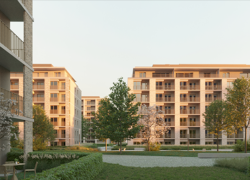
Catella Investment Management (CIM), based in Berlin, has acquired a residential development project in Bamberg, northern Bavaria, from Instone Real Estate for an individual investment mandate. The project includes 35 new-build apartments and commercial space, set within the dynamic Lagarde-Campus urban development initiative. Construction is slated to begin in early 2025.

The acquisition encompasses two planned buildings, offering a total of 2,370 square meters of residential space and 583 square meters of commercial space on the ground floors. The 35 apartments are split between 17 two-room units and 18 three-room units. The development has received planning permission, and the construction aligns with the KfW-55 energy efficiency standard. Features include high-quality finishes, underfloor heating, and barrier-free accessibility in 30% of the apartments.

Michael Keune, Managing Director at CIM, emphasized the significance of this acquisition:
“Despite challenges in the current market environment, we see selective opportunities for residential investments in Germany. These two residential buildings in Bamberg represent an attractive addition to our portfolio, combining a commercially robust location with adherence to ESG requirements.”

Instone Real Estate’s Managing Director, Andreas Zeitler, highlighted the project’s contribution to urban development: “This project addresses the pressing need for housing in Bamberg. In addition to the 35 rental apartments sold to Catella, we are developing 57 owner-occupied apartments in the immediate vicinity, creating a vibrant neighborhood that balances value and quality of life. We look forward to collaborating with Catella Investment Management.”

The project is part of the larger Lagarde-Campus, a 22.5-hectare redevelopment of a former military barracks. This transformative initiative will deliver 1,000 new apartments alongside commercial, retail, and cultural spaces. The historic site includes preserved brick buildings and state-of-the-art energy solutions.

Lagarde-Campus features one of Europe’s most innovative energy concepts, utilizing Heating Network 4.0 technology to significantly reduce CO2 emissions. Renewable energy sources such as photovoltaics, geothermal energy, and wastewater heat exchangers complement the low-flow temperature systems.

Known for its historical charm, thriving university culture, and recreational opportunities, Bamberg offers an unparalleled quality of life. Situated 60 kilometers north of Nuremberg, the city plays a key role in the Nuremberg metropolitan region, home to 3.6 million residents and a vibrant economic hub.

This acquisition marks a significant step for CIM as it continues to identify high-value residential investment opportunities in Germany while contributing to sustainable urban development.

Union Investment sells Doppio Offices in Vienna

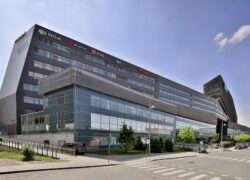
Union Investment has successfully sold the Doppio Offices in Vienna to an Austrian holding company. The office property, located at Rinnböckstrasse 3, had been part of the portfolio of the open-ended mutual property fund immofonds 1 since 2016. This fund is exclusively marketed in Austria. The sale was completed profitably, although the parties have chosen not to disclose the transaction price.

“The office property provided stable income for the fund throughout the eight years it was held. As part of our strategy to slightly reduce the office ratio in our portfolio, we have sold the asset,” said Alejandro Obermeyer, Head of Investment Management DACH at Union Investment.

Completed in 2012, the Doppio Offices is situated in Vienna’s 3rd district, close to the city centre. The building offers approximately 8,000 square meters of rental space across eight upper floors and two basement levels, along with 76 parking spaces. It benefits from excellent connectivity, with direct access to various public transport options, including the underground, trams, and buses. The property is also conveniently located near the A4 motorway leading to Vienna Airport and the A23 southeast ring road.

Union Investment received legal and tax advisory support from Vavrovsky Heine Marth Rechtsanwälte and tpa Austria during the transaction.

European real estate funds exceed €1 trillion in net assets despite moderate growth in 2024

Net fund assets in regulated European real estate funds surpassed €1 trillion in 2024, achieving a total of €1,026.2 billion by the end of the third quarter, according to data from the European Fund and Asset Management Association (EFAMA). This marks a growth of €26.8 billion, or 2.7%, compared to the €999.4 billion recorded at the end of 2023.

Rudolf Kömen, Conducting Officer of INTREAL Luxembourg, highlighted the significance of this milestone despite a challenging year. “The modest increase during 2024 is remarkable, given that investment funds reported a net cash outflow of €2.2 billion during the first nine months. Of this, €1.4 billion occurred in the third quarter alone. The rise in fund assets is largely attributable to stabilizing price levels in real estate markets, which led to mark-ups,” Kömen said.

The data shows a diverse performance across countries. While real estate funds in Germany, Austria, and the United Kingdom experienced net cash outflows, other markets, such as Ireland and Switzerland, reported substantial inflows. Ireland saw an increase of €1.2 billion, while Switzerland recorded inflows of €782.8 million.

Across Europe, the total number of alternative investment funds (AIFs) in the real estate sector rose to 3,949 by the end of Q3 2024, an increase of 38 funds since the close of 2023.

Reflecting on 2024, Kömen acknowledged the year’s challenges for real estate funds, particularly the limited number of new fund launches. However, he expressed optimism for 2025, anticipating stronger inflows, particularly from institutional investors.

“We are currently involved in the preparation of new funds, many of which are at advanced stages. Institutional investors are likely to drive increased cash inflows in the coming year, although private investors may take longer to re-engage due to their more cautious nature,” Kömen explained.

The real estate fund market’s ability to grow in value despite net outflows underscores its resilience and the stabilizing dynamics within the sector. With improving conditions expected in 2025, industry stakeholders are hopeful for renewed momentum in the European real estate investment landscape.

Dom Development reports record-breaking sales and handovers in 2024

Dom Development has announced record sales and handovers for 2024, solidifying its position as a leader in the Polish residential property market. The company sold 4,269 units to retail customers last year, a 9% increase compared to 2023, including 1,159 units sold in the fourth quarter alone, which marked an 18% year-on-year rise. Handovers also reached new heights, with 3,916 units delivered to retail buyers, a 2% increase from the previous year. Additionally, the group transferred 300 units to an institutional investor in the Private Rental Sector (PRS).

Dom Development’s CEO, Mikołaj Konopka, described 2024 as a milestone year, highlighting the company’s record-breaking performance despite a cooling in market demand. The uncertain economic environment, driven by high interest rates and the withdrawal of a government-supported loan program, created challenges for developers. However, Dom Development’s sales not only surpassed 2023 levels but also exceeded the previous record set in 2021.

Konopka attributed the success to the company’s strategic alignment with market expectations, particularly its ability to cater to both credit-financed and cash buyers. In the fourth quarter of 2024, 56% of transactions were financed by loans, while 44% were cash purchases. “The majority of our flats are sold during the construction phase, demonstrating the strength of our offering,” he noted. Konopka also reaffirmed the company’s commitment to continued growth, emphasizing regular land acquisitions and new project launches.

The company’s vice president and CFO, Leszek Stankiewicz, expressed optimism about Dom Development’s financial results for 2024, citing the increased number and value of units handed over. “In 2024, we handed over 4,216 units to customers, including 3,916 to retail buyers, surpassing the previous record of 3,831 units in 2023. This significant increase in handovers, combined with the scale of our ongoing investments, positions us to deliver strong financial performance in 2025,” Stankiewicz said.

The Polish residential market faced challenges in 2024, including persistently high mortgage rates, which are among the most expensive in the European Union, and a shift in government policy regarding housing loans. Despite these headwinds, Dom Development reported steady demand for its offerings, driven in part by a recovering housing supply that eased price pressures and expanded options for buyers.

As Dom Development looks ahead, it remains focused on maintaining its growth trajectory and meeting shareholder expectations. With projects on schedule and a robust sales pace, the company is optimistic about achieving continued success in the years to come.

Source: Dom Development and ISBnews
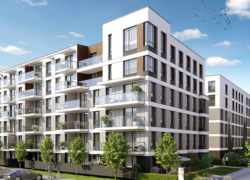
Photo: Beethovena, Dziekońskiego 4, Mokotów, Warszawa

LATEST NEWS