Friday, 2 October 2026
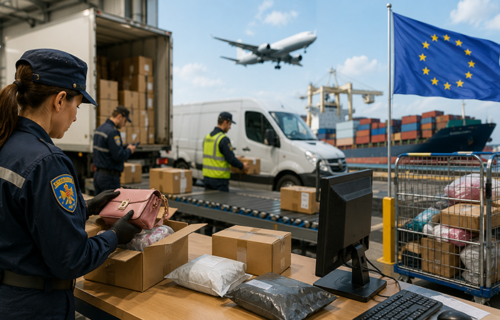
A new customs duty on low-value shipments from outside the European Union came into force on 1 July, ending the duty exemption for parcels valued at up to €150 and affecting millions of e-commerce deliveries entering the EU.
The measure primarily targets small parcels from online marketplaces such as Shein, Temu and AliExpress, which account for the majority of low-value imports from China.
Speaking at a press briefing in Klecany, Jiří Trousil, Deputy Director General of the Czech Customs Administration, said the new rules are expected to create fairer competition between European retailers and overseas online platforms while reducing the volume of small individual shipments entering the EU.
Under the new system, a customs duty of €3 is charged on each eligible item. Customs officials said delivery times could initially vary depending on how quickly recipients complete the required customs procedures.
The Czech Customs Administration reported a sharp increase in parcel volumes in recent years. Around 2.3 million shipments entered the country in 2023, while 105 million parcels arrived during the whole of 2025. In the first six months of 2026 alone, imports had already reached 106 million shipments.
According to customs officials, import volumes began to decline in June, ahead of the introduction of the new rules. Monthly parcel volumes fell from between 15 million and 20 million earlier in the year to around 13 million in June.
Officials also expect the new customs regime to encourage international retailers to establish larger distribution centres within the European Union. Goods would then be imported in bulk through standard customs procedures before being distributed to customers from European warehouses.
Across the EU, approximately 4.6 billion low-value parcels were imported during 2025, more than double the volume recorded a year earlier. Around 90% of those shipments originated in China.
The European Commission has said the new customs duty is intended to help finance customs inspections while ensuring more equal competitive conditions between European businesses and foreign online retailers. The Commission has also argued that increased customs controls will improve compliance with EU product safety and consumer protection standards.