Sunday, 4 October 2026
Consumer spending in the Czech Republic continues to rise even as inflation has eased compared with previous years, with many households still struggling to absorb higher everyday costs.
Recent survey data published by Home Credit Czech Republic indicates that a majority of households believe their monthly expenses have increased over the past year. Food, utilities, transport and service-related costs remain among the main contributors to tighter household budgets, despite the broader slowdown in inflation growth.
The pressure is particularly visible among lower-income households, which continue to feel the effects of several years of elevated prices more strongly than higher earners. According to analysts, families with smaller financial reserves are more exposed because a larger proportion of their spending is tied to essential items such as groceries, housing and energy.
Economists note that although headline inflation in the Czech Republic has stabilised near the central bank’s target range, consumers are still reacting to the cumulative effect of previous price increases. Many households are therefore continuing to adjust their spending habits even as the pace of inflation moderates.
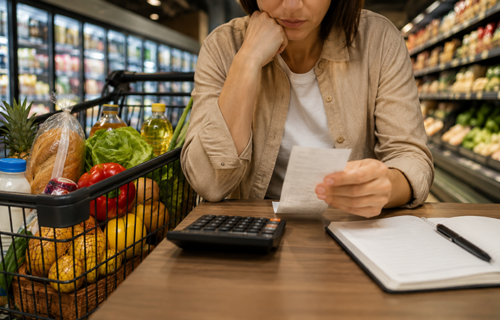
Travel and leisure are among the first areas where consumers are reducing expenses. Some households are also limiting spending on clothing and changing purchasing behaviour in supermarkets by choosing lower-cost products, promotions or discount retailers. Healthcare spending, however, has remained relatively protected compared with other categories.
The survey also highlights the growing strain on household financial reserves. Many respondents said that several thousand Czech crowns in additional monthly income would significantly improve their financial situation, suggesting that while households are still managing current costs, budget flexibility has become increasingly limited.
Financial analysts say the current environment reflects a broader shift in consumer behaviour across Central Europe, where households remain cautious despite improving macroeconomic indicators. While wage growth and easing inflation are gradually supporting purchasing power, many consumers continue prioritising savings and essential spending over discretionary purchases.
The findings underline the continuing gap between improving economic statistics and how households perceive their own financial stability, particularly after several years of inflation-driven increases in living costs.