Thursday, 8 October 2026
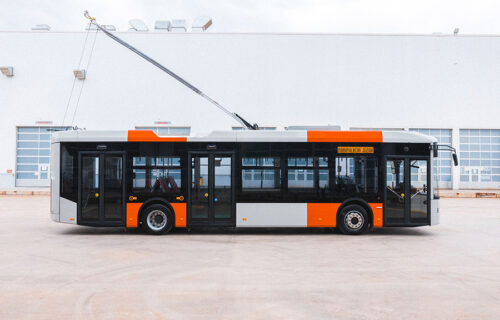
Prague Public Transit Company has taken delivery of the first 13 Bozankaya SNG 12T trolleybuses, with the vehicles gradually entering regular passenger service following their arrival in September.
The 12-metre vehicles combine conventional overhead power with approximately 60 kWh LTO traction batteries. Bozankaya says they can travel around 40 kilometres away from overhead lines under normal operating conditions, including with a full passenger load and heating or air conditioning in operation. Under the UITP E-SORT 2 testing cycle, the manufacturer reports a range of approximately 60 kilometres.
The battery capability allows the vehicles to continue operating through sections without trolley infrastructure and provides an alternative during diversions, construction works or interruptions to the electricity supply. It also gives Prague greater flexibility over where continuous overhead infrastructure is required when operating trolleybus routes.
Passenger space has been increased by moving much of the main traction equipment to the roof, reducing the amount of technical equipment occupying the interior. The vehicles also have separate climate-control systems for passengers and drivers, with the passenger air-conditioning designed to operate at outside temperatures of around 45°C.
More than 70% of the components used in the vehicles are sourced from European suppliers, according to Bozankaya. Czech companies provide equipment including parts of the current-collection system, climate control, ITCS information and control technology, tachograph equipment and signalling components. The traction converter comes from Poland, batteries from France and the traction motor from Austria.
The new fleet illustrates the increasing overlap between trolleybus and battery-electric transport. Rather than requiring overhead wiring along an entire route, battery-equipped trolleybuses can recharge while operating beneath existing infrastructure and subsequently cover unwired sections using stored electricity, potentially giving cities greater flexibility when expanding electric public transport networks.