Sunday, 4 October 2026
NEPI Rockcastle is introducing energy-management measures across its Romanian shopping centre portfolio aimed at reducing electricity demand during peak periods and making greater use of renewable power when availability is higher.
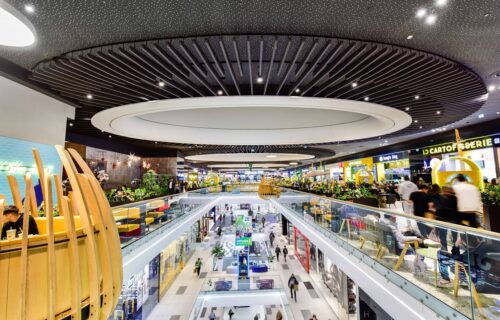
The programme has initially been implemented at Promenada Bucharest and Mega Mall, where the company has adjusted the operation of air-conditioning systems to redistribute electricity consumption more efficiently throughout the day.
According to NEPI Rockcastle, the changes at Mega Mall alone have reduced demand on the electricity grid by approximately 4 MW during the relevant daily period. The property’s energy consumption is being more closely aligned with hours when solar generation is higher, reducing pressure on the national electricity system during periods of elevated demand.
The initiative builds on NEPI Rockcastle’s investment in its own renewable-energy infrastructure, including photovoltaic installations at its properties, together with energy-efficiency measures introduced across the group’s shopping centres.
Rather than simply reducing climate-control use, the approach involves adjusting when energy-intensive systems operate according to electricity availability and the characteristics of individual properties. Indoor temperatures will continue to be monitored to maintain appropriate conditions for visitors and tenants.
The company plans to extend the measures to additional Romanian shopping centres, with implementation determined by each property’s consumption profile, technical infrastructure and access to renewable energy.
The initiative illustrates the expanding role that large commercial properties can play in managing electricity demand. Shopping centres have substantial but partly flexible energy requirements, particularly for heating, ventilation and cooling, creating opportunities to shift some consumption away from periods when national grids are under greater pressure.
For NEPI Rockcastle, the programme also connects its investment in on-site solar generation with the operational management of its buildings, allowing properties to consume more electricity during periods of stronger renewable production while reducing reliance on the grid at more constrained times.