Friday, 2 October 2026
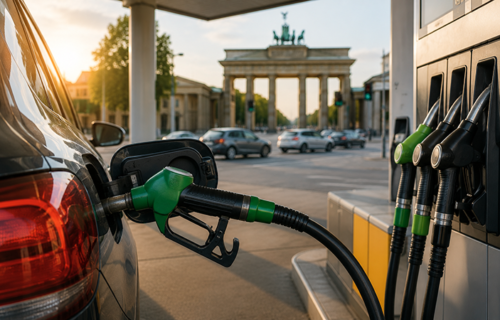
Germany’s temporary reduction in fuel taxes has come to an end, bringing to a close a two-month measure introduced to cushion motorists from higher energy costs. While the policy helped reduce prices at the pump, economists say its overall impact was limited and raises broader questions about how governments should respond to future energy price shocks.
The tax cut, introduced in May, reduced fuel taxes by approximately €0.17 per litre and represented around €1.6 billion in public support. The government also strengthened oversight of the fuel market, seeking to ensure that lower taxes translated into lower prices for consumers.
According to economic assessments, most of the tax reduction was reflected in retail fuel prices during the programme, although not all of the savings reached motorists. Analysts noted that changes in wholesale fuel prices and market dynamics meant part of the financial benefit remained elsewhere within the supply chain.
As the measure expired on 1 July, fuel prices rose again as normal tax rates were restored. Market observers said the increase reflected both the end of the temporary relief and ongoing developments in international energy markets.
The experience has prompted renewed discussion over the effectiveness of broad fuel tax reductions. Many economists argue that while such measures provide immediate relief, they also require significant public spending and tend to benefit households that consume the most fuel, rather than targeting those most affected by higher living costs.
Researchers also note that temporary tax cuts do little to address structural issues affecting fuel pricing, including competition and pricing mechanisms further up the supply chain. As a result, several experts have suggested that future support should focus more on targeted assistance for vulnerable households while continuing efforts to improve market transparency and competition.
The debate comes as governments across Europe continue to balance inflation, energy affordability and public finances. The German experience is likely to contribute to wider discussions about whether temporary tax reductions remain an effective policy tool during periods of elevated energy prices or whether more targeted forms of support offer better long-term value.