Wednesday, 7 October 2026
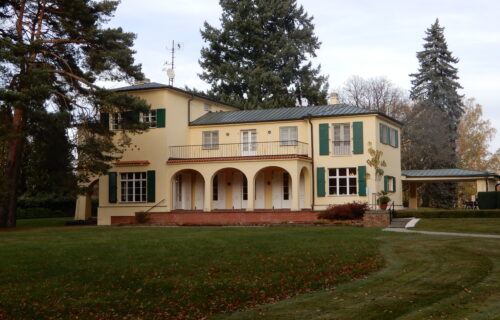
Preserving the character of historic buildings often requires balancing heritage conservation with modern building performance. The recent renovation of the villa of former Czechoslovak President Edvard Beneš and his wife Hana in Sezimovo Ústí illustrates how technical upgrades can be integrated while respecting the original architecture.
Unlike many landmark buildings designed primarily for public representation, the Beneš Villa was conceived as a private family residence. Architect Petr Kropáček worked closely with Edvard and Hana Beneš during its design, resulting in a home that reflected their personal vision of comfort and functionality. This collaborative approach has made authenticity a central consideration in the building’s restoration.
One of the most complex aspects of the renovation was modernising the heating system. While historic interiors and original furnishings can often be carefully preserved, building services such as heating must evolve to meet today’s standards for comfort, efficiency and long-term operation.
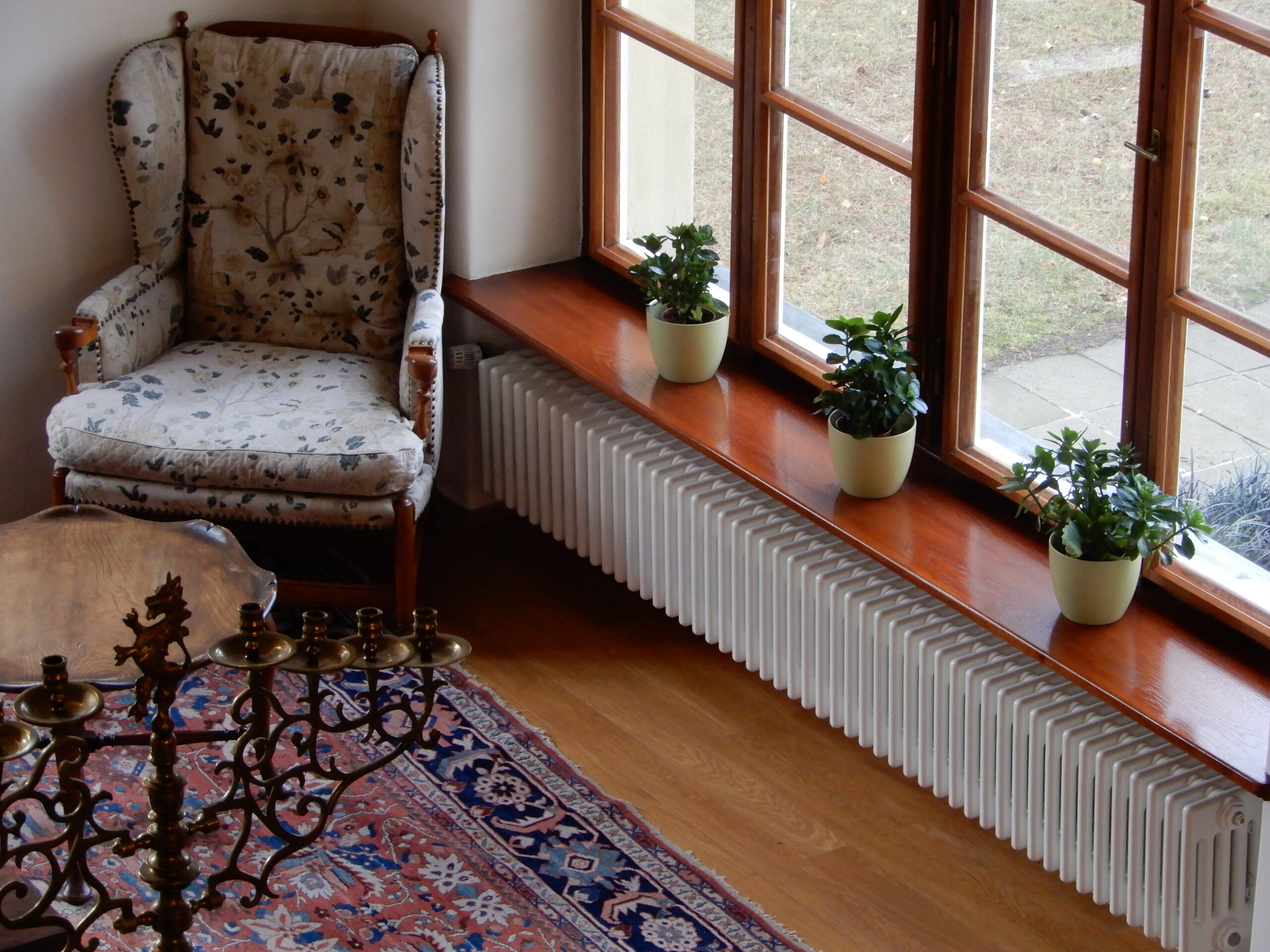
The project replaced the villa’s original cast-iron radiators with Zehnder Charleston steel column radiators, selected for their ability to complement the building’s historic interiors while providing the performance expected from contemporary heating systems. Their traditional sectional appearance closely resembles the original radiators, allowing the new installation to integrate naturally into the restored rooms.
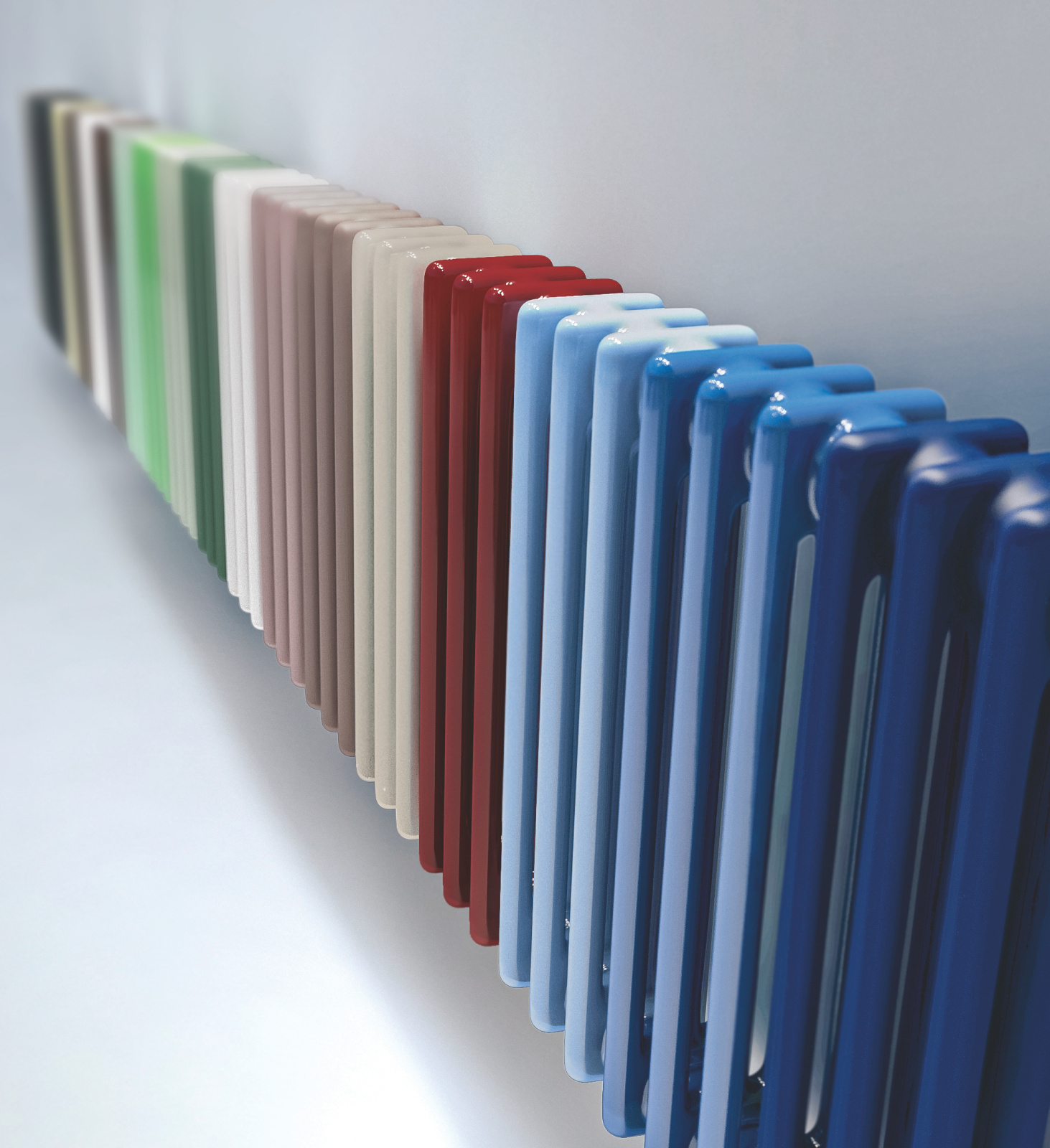
According to Zehnder, the radiators were chosen not only for their visual compatibility with the historic setting but also for their technical advantages. Compared with traditional cast-iron units, they respond more quickly to temperature changes, helping improve indoor comfort while supporting more efficient energy use. The system also offers flexibility in terms of dimensions, installation options and finishes, making it suitable for heritage renovation projects where standard solutions may not be appropriate.
An interesting historical connection links the villa and the heating system. Construction of the Beneš residence began in the early 1930s, around the same period that the Charleston radiator design was first patented. Both have remained relevant for decades thanks to their enduring design and practicality.
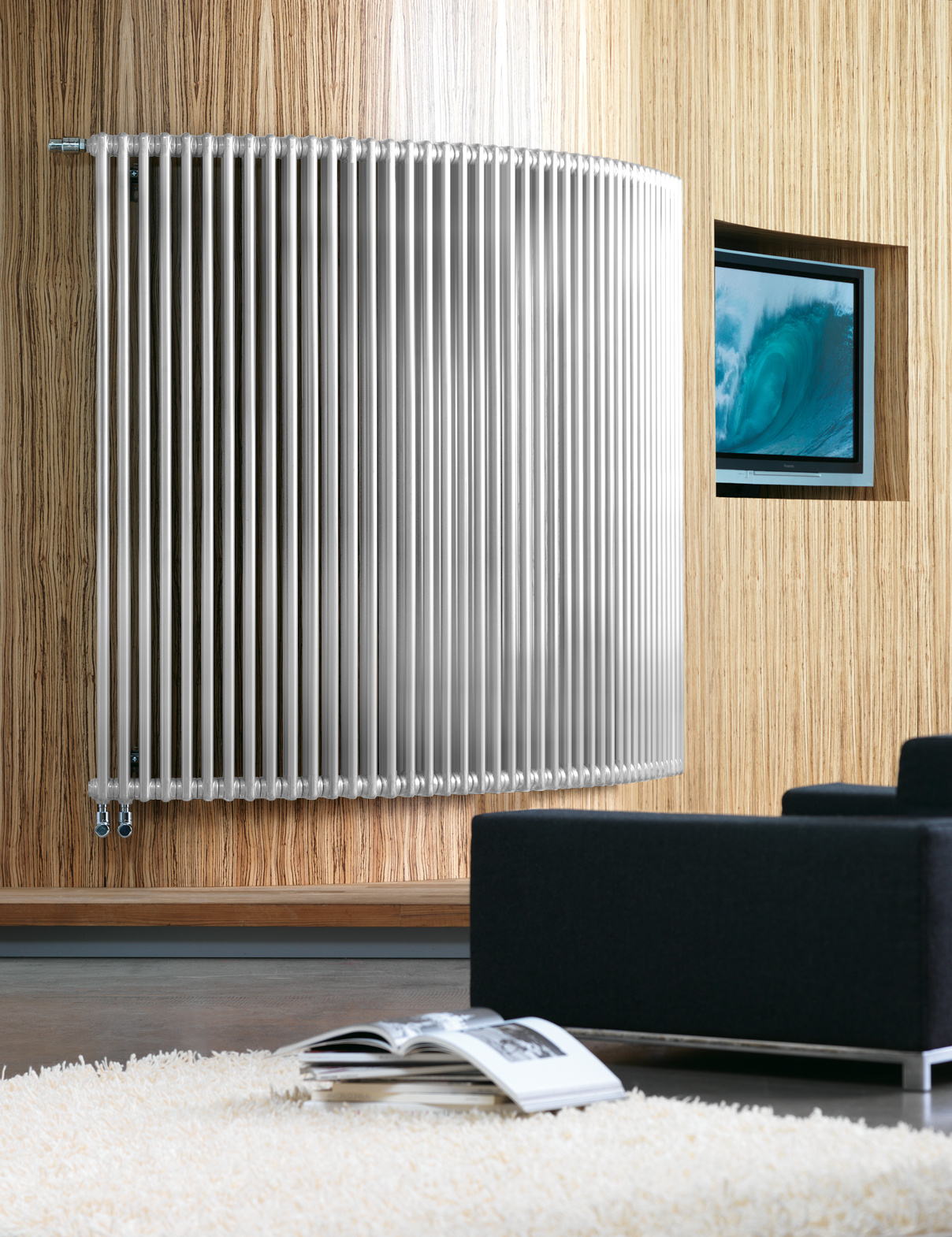
Although frequently specified for the renovation of historic buildings, Zehnder Charleston radiators are also used in contemporary architecture. Their adaptable design allows them to be incorporated into a wide range of residential and commercial projects, where architects seek to combine traditional aesthetics with modern building performance.
The restoration of the Beneš Villa demonstrates that preserving architectural heritage does not necessarily require compromising on modern comfort. With carefully selected technical solutions, historic buildings can continue serving future generations while retaining the qualities that make them architecturally significant.