Thursday, 24 September 2026
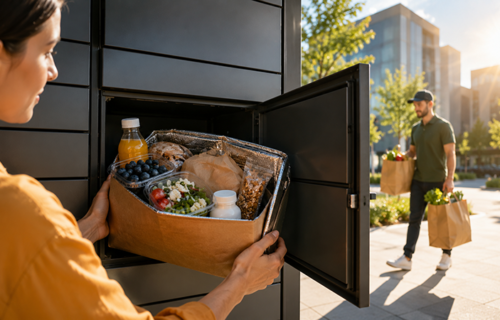
The rapid expansion of parcel locker networks across Europe has transformed last-mile deliveries, but food safety experts are warning that high summer temperatures may make standard collection boxes unsuitable for many food products.
As heatwaves become more frequent, specialists caution that enclosed parcel lockers exposed to direct sunlight can reach temperatures far above the outside air, potentially affecting the quality, nutritional value and safety of temperature-sensitive goods.
The warning comes as consumers increasingly order groceries, snacks, dietary supplements and beverages online alongside traditional retail products. While most retailers continue to transport chilled and frozen foods using temperature-controlled logistics, a growing number of shelf-stable products are being delivered to standard self-service lockers.
Food industry representatives note that although these products may not require refrigeration under normal conditions, prolonged exposure to excessive heat can still alter their quality. Chocolate products can soften or melt, baked goods may become damp inside sealed packaging, and nut-based products can deteriorate more quickly when exposed to high temperatures.
Some nutritional supplements are also vulnerable. Products containing probiotics, vitamins or gelatin may lose effectiveness if stored in hot conditions for extended periods. Fermented beverages, including kombucha, may continue to develop pressure inside sealed bottles when exposed to heat, increasing the risk of packaging failure.
The issue is not limited to the Czech Republic. Food safety authorities and consumer organisations across several European countries have issued seasonal guidance encouraging consumers to avoid leaving temperature-sensitive goods in uncontrolled environments during periods of extreme heat. Maintaining an uninterrupted temperature chain remains one of the key principles for preserving food quality and reducing the risk of bacterial growth.
The challenge reflects the broader growth of online grocery shopping across Europe. Parcel lockers have become an important part of urban logistics networks, with thousands of new collection points installed in recent years. However, most standard lockers were designed for general e-commerce rather than products requiring controlled storage conditions.
The logistics industry has already begun responding to changing consumer habits. Retailers and delivery companies in several European markets are expanding the use of refrigerated collection points and temperature-controlled click-and-collect solutions for groceries and pharmaceutical products. These systems allow customers to collect purchases while maintaining appropriate storage conditions until pickup.
Consumers are also being encouraged to consider alternative delivery options during hot weather. Home delivery using refrigerated vehicles, collection from air-conditioned retail locations or refrigerated pickup points may offer better protection for products that are sensitive to temperature fluctuations.
As climate change contributes to longer and more intense summer heatwaves across Europe, experts expect the issue to receive increasing attention from retailers, logistics operators and food manufacturers. The continued growth of online grocery shopping is likely to accelerate investment in temperature-controlled last-mile infrastructure, helping ensure that convenience does not come at the expense of product quality or consumer safety.
Source: CTK & CIJ EUROPE Analysis Team