Friday, 16 October 2026
Eurocash is moving into a new stage of its transformation after spending much of 2026 reducing the physical footprint of its retail, wholesale and logistics operations. With most of the planned closures now completed, the Polish food distribution group is preparing to turn its attention back towards sales growth and maintaining its position in an increasingly competitive grocery market.
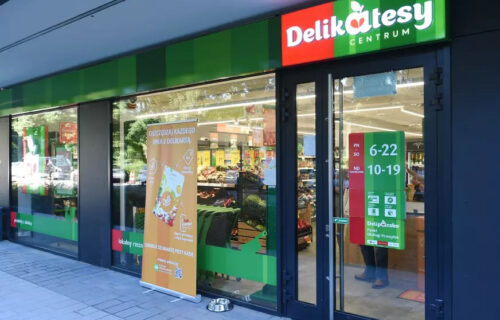
The changes underway across the business have significant implications for commercial property. Eurocash has been closing underperforming Delikatesy Centrum stores, reducing the number of Cash & Carry facilities, consolidating distribution operations and transferring directly managed shops to independent franchise operators. Together, these measures are changing the group’s requirements for retail, warehouse and administrative space across Poland.
By the end of the first half of 2026, Eurocash had closed 105 of the 144 Delikatesy Centrum locations selected for closure. The company has also been reducing the number of stores it operates directly. By the end of July, 73 locations had moved to franchise operators as part of a programme covering 188 stores, with further transfers expected through the beginning of 2027.
The wholesale property portfolio has been undergoing a similar adjustment. Fourteen of the 16 Cash & Carry locations scheduled to cease operations had already been closed, while the group’s distribution infrastructure has been consolidated from 15 centres to 10. Changes have also taken place within the corporate structure, where previously separate administrative and operational functions are being brought together.
For the property market, the consequences extend beyond the number of businesses being closed. Former grocery stores and wholesale facilities can return to landlords or become available for alternative occupiers, while locations converted to franchise operation may continue trading with relatively little visible change from a consumer perspective.
This distinction could become increasingly important for retail landlords. Moving a shop from direct Eurocash management to an independent entrepreneur does not necessarily remove the Delikatesy Centrum brand from the property. Instead, responsibility for operating the business shifts towards the franchise partner, potentially changing the contractual relationship surrounding the premises.
Eurocash has not published the combined floor area affected by the restructuring or detailed how many of the properties involved are owned rather than leased. It has also not provided a comprehensive breakdown of leases that have been cancelled, transferred or renegotiated. Consequently, the amount of space ultimately returning to the Polish commercial property market remains unclear.
Nevertheless, the geographical reach of the programme means its impact is likely to be dispersed across numerous local markets rather than concentrated in a handful of major cities. Grocery properties are often positioned within established residential districts and smaller regional centres, where suitable food-retail locations can remain attractive even when an individual operator decides that a store no longer fits its business model.
Some former Eurocash locations could therefore find new occupiers relatively quickly. Existing grocery infrastructure, established customer catchments and convenient neighbourhood locations may make them suitable for competing supermarket, discount or convenience operators. Other properties, particularly larger wholesale facilities, could require more extensive repositioning depending on their location, configuration and ownership structure.
The transformation is being driven by Eurocash’s attempt to reduce operating costs while preserving the scale of the commercial network supplied by the group. Increasing the proportion of franchise-operated stores allows the company to maintain relationships with retailers and continue supplying merchandise without carrying the full operating burden associated with running each individual shop.
Property expenses have been one element of that equation. A considerable part of the directly operated Delikatesy Centrum estate originated from earlier acquisitions, including the EKO and Mila businesses. Since those transactions, higher operating expenses, changing consumer behaviour and increasingly aggressive competition have altered the economics of many individual locations.
Eurocash is assessing stores according to their ability to operate sustainably under current market conditions. Locations considered viable under independent management can move into the franchise system, while weaker stores are being removed from the network.
The financial objective behind the programme is substantial. Eurocash had secured PLN 279 million of its targeted PLN 400 million in recurring annual savings by the middle of 2026. Changes to the directly operated Delikatesy Centrum portfolio are expected to make an important contribution to the improvement visible in the group’s 2027 performance.
The restructuring has also weighed on turnover. Eurocash generated approximately PLN 7.2 billion of sales during the second quarter, representing a decline of close to 9% compared with the corresponding period of 2025. Part of the reduction resulted from difficult conditions within Poland’s traditional grocery sector, while deliberate store closures and other restructuring measures also reduced revenue.
Management is now signalling that the emphasis is beginning to change. Rather than continuing to focus primarily on reducing expenditure, the second half of 2026 is expected to place greater importance on strengthening sales. Eurocash wants to preserve its share of the Polish FMCG market during 2027, meaning future performance will increasingly depend on growing with the wider market.
The franchise network will be central to that strategy. While Poland’s traditional grocery channel has been contracting, stores operating within networks supplied by Eurocash have performed comparatively better. Hundreds of additional stores joined networks cooperating with the group during the first half of the year, strengthening the company’s reach even as it reduced the number of locations under direct management.
This creates an unusual property dynamic. Eurocash can shrink its own directly controlled real estate requirements while maintaining or potentially expanding the number of shops connected to its distribution system. In effect, part of the property risk moves towards independent retailers while Eurocash concentrates on wholesale supply, purchasing power, logistics, technology and franchise support.
The strategy is unfolding at a particularly important moment for Poland’s grocery sector. Canadian convenience group Alimentation Couche-Tard is pursuing the acquisition of Żabka Group in a transaction valuing the Polish convenience-store operator at approximately PLN 32.6 billion. The tender process formally opened on 26 August 2026.
Żabka has developed one of Europe’s densest convenience networks, with approximately 13,000 stores across Poland and Romania. The proposed transaction would place that platform under the control of a major international convenience retailer and could provide additional financial and operational resources for further development.
For Poland’s commercial property market, this adds another dimension to the competition for neighbourhood locations. Convenience stores, supermarkets, discount operators and independent grocery businesses frequently compete for similar residential catchments, particularly in rapidly developing urban districts and commuter markets.
The contrast between the two strategies is notable. Eurocash is reducing direct responsibility for individual stores and relying more heavily on independent entrepreneurs, while Żabka could become part of a much larger international retail organisation. Both models nevertheless depend on securing extensive networks of well-positioned physical locations.
The next stage of Eurocash’s transformation will therefore be important for landlords as well as investors in the company. Properties released through closures could provide opportunities for competing retailers, while successful franchise conversions may allow Delikatesy Centrum stores to remain in existing premises under a different operating structure.
The larger question is whether Eurocash can reduce its direct property exposure without weakening the scale of the retail ecosystem it supplies. If the company succeeds, its restructuring could demonstrate how a large grocery group can retain market reach while shifting a greater share of store-level costs and property responsibilities towards franchise operators.
As the closure programme approaches completion, Eurocash is moving from contraction towards consolidation and renewed growth. At the same time, international capital is preparing to play a larger role in Poland’s convenience sector. Together, these developments suggest that the country’s next phase of grocery competition will not simply be about opening more stores, but about who controls the locations, who carries the property risk and which operating model can generate the strongest returns from Poland’s extensive neighbourhood retail network.
Source: CIJ.World Research & Analysis Team
Photo: Delikatesy Centrum – Eurocash