Monday, 21 September 2026
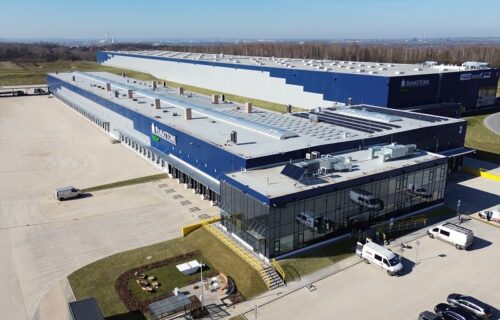
Panattoni has completed a new built-to-suit (BTS) logistics facility at Panattoni Park Kraków East V, delivering nearly 8,000 sqm of space for one of the leading companies in the e-commerce sector.
The new terminal will serve as a logistics hub for parcel sorting and the operation of a parcel locker network across southern Poland, supporting the continued growth of online retail and last-mile delivery services.
Designed specifically around the tenant’s operational requirements, the facility comprises approximately 6,800 sqm of warehouse space and more than 1,000 sqm of two-storey office accommodation. The development has been tailored to support efficient parcel handling while providing capacity for future business growth.
Filip Noworól, Development Director at Panattoni, said the project reflects growing demand for logistics facilities designed around the specific operational needs of e-commerce companies. He noted that built-to-suit developments are playing an increasingly important role in creating efficient and scalable supply chains as online retail continues to expand.
Panattoni Park Kraków East V offers approximately 30,000 sqm of Class A industrial space and is located in Zakrzów, around 19 kilometres east of Kraków city centre. The park benefits from direct access to major transport infrastructure, lying less than 2 kilometres from the Podłęże interchange on the A4 motorway, approximately 9 kilometres from the S7 expressway and around 30 kilometres from Kraków-Balice Airport.
The development is home to several other occupiers, including Highway Automotive, Fabryka Kart Trefl-Kraków and Anticor, creating a diversified tenant base within the logistics park.
The facility has been awarded BREEAM Excellent certification, reflecting its environmental performance and energy efficiency standards while helping occupiers reduce operating costs.
The completion of the project highlights continued investment in Poland’s logistics sector, where sustained growth in e-commerce and increasing demand for rapid delivery services continue to drive the need for modern, purpose-built distribution facilities.