Saturday, 19 September 2026
Meal allowances remain the most valued employee benefit in the Czech Republic, with workers placing increasing importance on benefits that provide practical support in their everyday lives, according to a new survey conducted by Edenred.
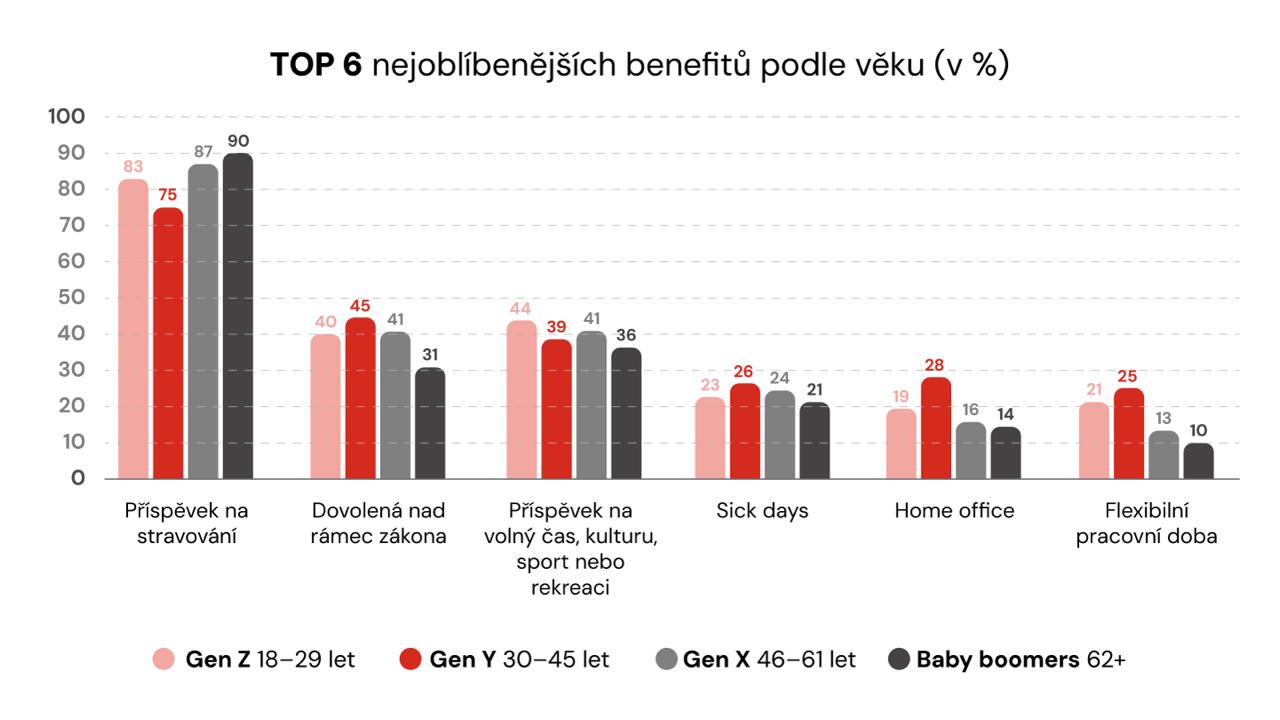
The study, which gathered responses from 3,731 employees across the country, found that 83% of respondents ranked meal allowances among their three most important workplace benefits. Nearly 48% described the benefit as indispensable in a period of rising living costs, while 37.6% said the absence of a meal allowance could influence them to reject a job offer.
According to Aneta Martišková, Managing Director of Edenred Czech Republic, employees are increasingly evaluating benefits based on their practical value rather than the number offered by employers. She said organisations should focus on providing benefits that genuinely improve employees’ daily lives while allowing greater flexibility in how they are used.
The survey found that financial support continues to be an important consideration, but employees also increasingly value benefits that improve work-life balance. Additional annual leave, flexible working hours, home office arrangements and sick days ranked among the most appreciated non-financial benefits, reflecting a growing preference for greater flexibility and personal time.
Employee priorities also vary across generations. Generation Z and Millennials place greater emphasis on flexible working arrangements and the ability to choose how they use their benefits, while Generation X and Baby Boomers tend to prioritise stability and benefits that provide immediate financial value. Despite these differences, meal allowances remain the highest-rated benefit across all age groups, maintaining the leading position they held in last year’s survey.
Mental wellbeing has also become a more prominent consideration for employees. Rather than additional workshops or wellbeing initiatives, respondents expressed a preference for practical measures that allow them to recover from work-related stress. The most popular proposal was the introduction of dedicated mental health leave, supported by 35.3% of respondents. Employees also showed interest in programmes aimed at preventing stress and burnout, financial contributions towards psychotherapy or psychological counselling, and better workload management to reduce excessive pressure.
Klára Krumphanslová, HR Manager at Edenred, said employees increasingly value practical support that enables genuine rest and helps prevent long-term stress, particularly as awareness of mental wellbeing continues to grow in the workplace.
The findings suggest that while financial benefits remain an important factor in attracting and retaining employees, Czech workers increasingly expect employers to provide benefits that support both their financial security and overall quality of life. For employers competing for talent, offering meaningful, flexible and easily accessible benefits may prove more valuable than simply expanding the number of programmes available.
The Edenred survey was conducted online between 16 June and 3 July 2026 among 3,731 employees from the private, public and non-profit sectors across all regions of the Czech Republic.