Monday, 21 September 2026
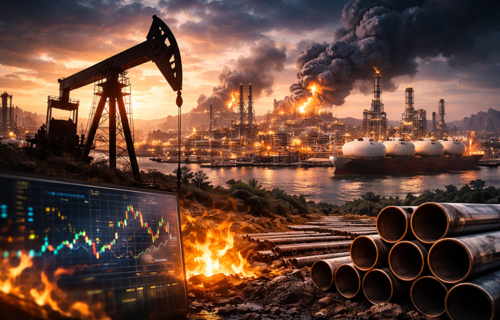
Energy markets have shown renewed volatility following the escalation of conflict in the Middle East, with both oil and natural gas prices increasing sharply in recent days. The developments have raised concerns among economists and market observers that higher energy costs could place additional pressure on inflation and potentially slow economic growth.
In Europe, wholesale gas prices have climbed rapidly on trading hubs, reflecting growing uncertainty about global energy supply. The benchmark contract for European gas delivery moved significantly higher during recent trading sessions, marking one of the strongest increases seen in recent months. While the current price levels remain far below the peak reached during the 2022 energy crisis, the speed of the latest increase has attracted attention across energy markets.
Market participants link the price movements largely to geopolitical risks. The intensifying military confrontation in the Middle East has created fears that energy flows from the region could be disrupted or become less predictable. Although no major supply interruption has been reported so far, traders often respond quickly to potential threats to global energy infrastructure or transport routes.
The rise in gas prices comes at a sensitive time for Europe’s energy system. After the winter heating season, countries typically begin replenishing their gas reserves in preparation for the next winter. If prices remain elevated or supply conditions tighten, the process of rebuilding storage levels could become more expensive for utilities and governments.
Oil markets have also reacted strongly to the geopolitical developments. International crude benchmarks have climbed as investors assess the possibility that tensions in the region could affect production or transport through key shipping corridors. The Middle East remains one of the most important sources of global oil supply, which means any instability there tends to influence prices worldwide.
Economists note that sustained increases in energy prices could have broader implications for the global economy. Higher oil and gas costs often translate into increased expenses for transportation, manufacturing and household energy consumption. These effects can contribute to rising consumer prices and complicate the efforts of central banks to control inflation.
At the same time, elevated energy costs may weigh on economic activity by reducing purchasing power and raising operating costs for companies. Industries that rely heavily on energy inputs are particularly sensitive to such developments, which can affect investment decisions and production levels.
For now, analysts say the outlook will largely depend on how the geopolitical situation evolves. If tensions ease, energy prices could stabilize relatively quickly. However, a prolonged conflict or disruptions to supply routes could keep markets volatile and prolong the pressure on both inflation and economic growth.
Source: CIJ.World Research & Analysis Team