Wednesday, 7 October 2026
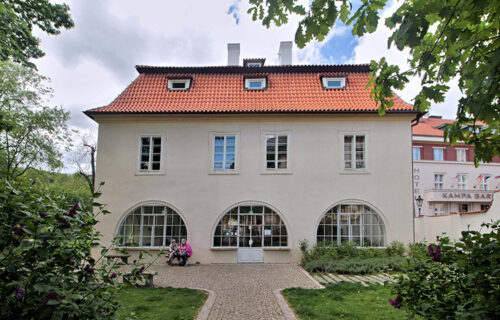
The reconstruction of Werich Villa on Kampa Island highlights how technical systems can be incorporated into historic interiors without compromising architectural character.
The building, which has a Renaissance core dating back to the early 16th century, is closely associated with Czech actor and writer Jan Werich, who lived there from the post-war period until 1980. The villa was significantly damaged during the 2002 floods and later underwent a comprehensive renovation between 2015 and 2017. The project was designed by TaK Architects and included both structural restoration and adaptation for public cultural use.
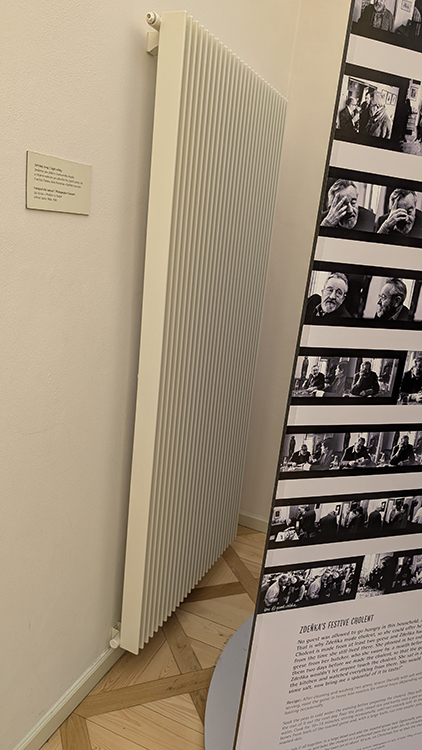
A key aspect of the refurbishment involved integrating modern heating systems into the historic fabric of the building. According to the project team, this required solutions that would meet current technical and energy standards while remaining visually unobtrusive.
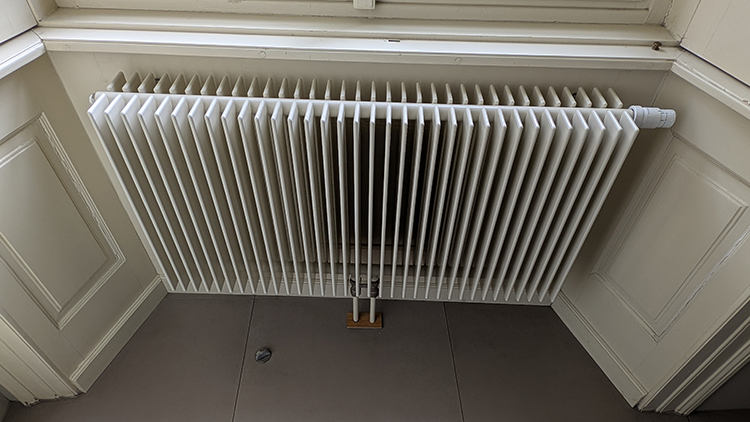
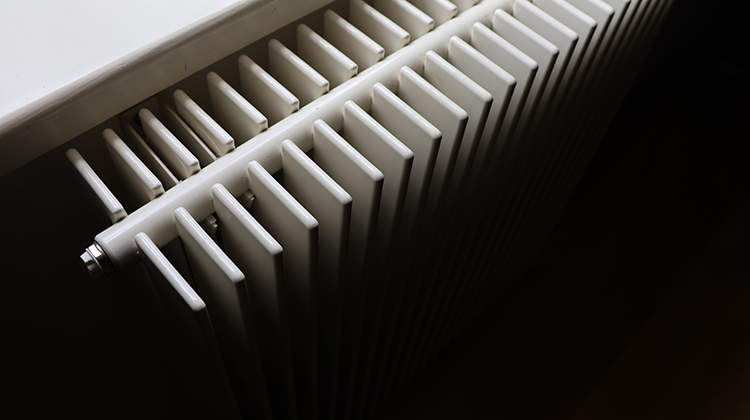
Architect Marek Tichý from TaK Architects worked with Zehnder to develop a tailored approach using the Zehnder Excelsior radiator series. The radiators were selected for their minimal visual profile and flexibility in dimensions, allowing them to be adapted to the constraints of the existing structure and positioned without disrupting the interior layout.
“In historic buildings, it is always difficult to get technical equipment into the space so that it does not disturb the architecture. Excelsior radiators have a very delicate construction of flat profiles, so they appear more like a light architectural element than a massive technical device,” said Marek Tichý.
The renovation reflects a broader approach to historic building upgrades, where technical systems are treated as part of the architectural concept rather than separate additions. At the same time, these systems must comply with modern requirements for thermal comfort and energy efficiency.
“Werich’s villa is a good example of what architects need when renovating historic buildings – a solution that meets performance requirements without interfering with the space,” said Miroslav Váša.
Today, Werich Villa functions as a cultural venue, illustrating how heritage buildings can be adapted for contemporary use while retaining their original character.