Sunday, 29 November 2026
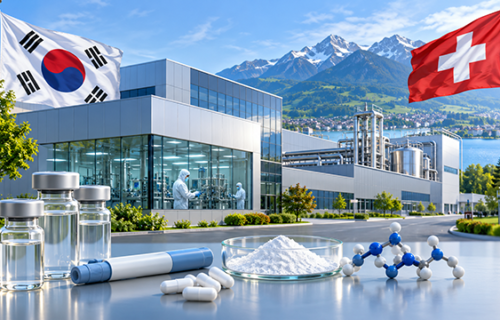
South Korea’s Samsung Biologics is seeking to strengthen its position in the international pharmaceutical industry through the proposed acquisition of Switzerland-based PolyPeptide Group for CHF 1.46 billion (approximately $1.8 billion). The transaction would expand Samsung’s manufacturing presence across Europe, North America and India while increasing its involvement in the growing market for obesity and diabetes treatments. The acquisition moved closer to completion in November 2026, with shareholders tendering 97.66% of PolyPeptide’s issued shares. Outstanding regulatory approvals remain necessary, with completion expected towards the end of 2026 or during the first quarter of 2027.
Samsung has traditionally concentrated on manufacturing complex biological medicines for international pharmaceutical companies. The acquisition would broaden its production capabilities to include peptide-based pharmaceutical ingredients, which are central to many treatments for obesity and diabetes. PolyPeptide operates six production facilities across Sweden, Belgium, France, the United States and India, employing approximately 1,500 people. The transaction would provide Samsung with established manufacturing infrastructure, experienced personnel and access to international pharmaceutical customers, reducing the time and investment required to develop equivalent operations independently.
The European manufacturing network represents an important component of the transaction. Pharmaceutical production facilities require specialised laboratories, controlled manufacturing environments, advanced technical infrastructure and strict regulatory compliance. These requirements make established facilities difficult to replicate and increase their strategic value to international investors. Europe remains an attractive destination for such investment because of its established pharmaceutical industry, skilled workforce, research institutions and regulatory environment.
The acquisition also reflects the growing international ambitions of South Korean pharmaceutical companies. Having developed substantial domestic production capabilities, businesses are increasingly pursuing overseas investments to acquire technical expertise, diversify manufacturing operations and establish a presence closer to major healthcare markets. Growing demand for obesity and diabetes treatments could encourage further investment in pharmaceutical manufacturing, research facilities and supporting infrastructure. However, the long-term development of the sector will depend on treatment affordability, healthcare funding, competition and advances in alternative medicines.
Samsung also faces considerable operational challenges, as peptide production requires different manufacturing processes and technical expertise from its existing biological medicines business. Retaining specialist employees, maintaining production standards and securing long-term customer agreements will be important to the financial performance of the acquired operations. Subject to regulatory approval, the acquisition would significantly expand Samsung’s international industrial footprint. Its longer-term success will depend on whether the company can convert its expanded manufacturing capabilities into sustained commercial demand rather than relying predominantly on the current growth of the obesity-treatment market.
Source: © CIJ.World Research & Analysis Team