Tuesday, 31 March 2026
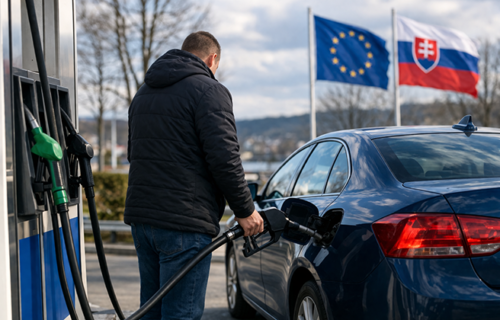
The European Commission has called on Slovakia to withdraw measures introducing different diesel prices, warning that the approach may breach EU law. The Slovak government has indicated it may maintain or extend the policy and has criticised the Commission’s position.
The measures were introduced following disruptions to oil supplies linked to the Druzhba pipeline, which halted deliveries to Slovakia and Hungary in January. In response, Bratislava declared a state of oil emergency and imposed temporary restrictions on diesel sales, including higher prices for vehicles with foreign licence plates.
According to the European Commission, the pricing structure is discriminatory and incompatible with EU rules. It has warned that infringement proceedings could be launched if the measures are not withdrawn.
Slovak Prime Minister Robert Fico criticised the Commission’s intervention, stating: “I consider the letter to be absolutely inappropriate, incorrect to the Slovak Republic.” He added that any legal action could result in financial penalties imposed by an EU court. Fico also suggested the government may extend the current measures, arguing they are intended to protect domestic consumers from rising fuel costs.
The policy was introduced after supply disruptions along the Druzhba pipeline, which Slovakia and Hungary say have been affected by developments linked to the war in Ukraine. Kyiv has indicated that damage to infrastructure caused by Russian attacks has affected the pipeline’s operation.
Slovakia’s Minister of Economy Denisa Saková said the Bratislava refinery Slovnaft had drawn on state oil reserves following the disruption and has begun returning the volumes used. The government has argued that this justifies its approach to managing fuel distribution.
Fico also criticised the European Commission for what he described as insufficient engagement in restoring oil flows via Ukraine and commented on relations between EU leadership and Volodymyr Zelensky. “The European Commission has decided to put the interests of Ukraine, a non-member country, over the interests of a member country, the Slovak Republic,” he said.
Slovakia and Hungary have maintained energy imports from Russia during the ongoing conflict in Ukraine, while other countries in the region, including Czech Republic, have reduced or eliminated dependence on Russian oil.
The dispute comes amid broader volatility in global energy markets following the escalation of conflict in the Middle East in late February. Oil prices have increased, although fuel price growth in Slovakia has been more moderate compared with some other EU countries.
Source: CTK