Thursday, 26 November 2026
Shopping centre accessibility is increasingly extending beyond the removal of physical barriers, with property managers incorporating measures addressing sensory needs, customer assistance and independent access to retail services.
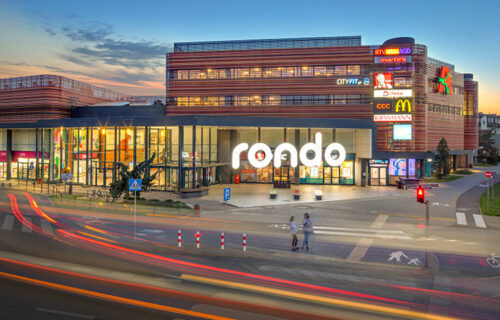
Rondo Shopping Centre in Bydgoszcz, owned by Star Capital Finance, has introduced a range of facilities and operational measures intended to accommodate visitors with different physical and sensory requirements. Alongside accessible toilets, designated parking spaces and wheelchair ramps, the centre provides wheelchairs that visitors can borrow free of charge from its security office.
The shopping centre also operates designated quiet hours twice a week, on Tuesdays between 15:00 and 17:00 and Thursdays between 10:00 and 12:00. During these periods, sensory stimulation is reduced to accommodate autistic visitors and customers sensitive to noise. Noise-reducing headphones are also available to borrow. In cooperation with the Zobacz Mnie Foundation, Rondo has published an online guide explaining how visitors and retail employees can assist people with disabilities, including those with visual, hearing and mobility impairments.
The centre has also hosted two events in partnership with mobility equipment specialist Mobi Med. Visitors were offered consultations on wheelchair selection, equipment maintenance and available public funding for mobility aids. Adam Jakubowski, Head of Property Management at Star Capital Finance, said the company’s approach extends beyond architectural accessibility, combining permanent facilities with educational initiatives and cooperation with specialist organisations.
For retail property owners, these measures illustrate how accessibility can become part of everyday asset management rather than being treated exclusively as a building design requirement or corporate social responsibility initiative. While physical accessibility remains fundamental, operational policies, staff awareness and sensory conditions also influence how independently customers can use commercial premises.
Such measures may help shopping centres serve a broader demographic, including older consumers, families and people with disabilities. However, the owner has not disclosed the associated operating costs or quantified their impact on visitor numbers, customer satisfaction or tenant turnover.
Source: Star Capital Finance, November 2026.