Tuesday, 3 November 2026
Germany’s energy-intensive manufacturers face renewed pressure on profitability as the winter heating season begins, with higher natural gas costs threatening to squeeze margins, weaken liquidity and increase production costs across the chemicals, metals and construction materials industries. Although companies are better prepared than during the 2022 energy crisis, their ability to absorb further price increases will depend heavily on purchasing contracts, financial reserves and the extent to which additional costs can be passed on to customers.
According to international credit insurer Atradius, Germany’s gas storage facilities were approximately 62% full at the beginning of November 2026. The company considers this sufficient to cover a normal winter heating season, although unusually cold weather or further disruptions to supply could alter the outlook. The principal concern for industrial businesses is therefore not necessarily an immediate shortage of gas, but the financial consequences of price volatility.
German manufacturers have strengthened their energy procurement strategies since the disruption of 2022. Many now secure substantial portions of their requirements through longer-term supply agreements, reducing their direct exposure to short-term market movements. However, these arrangements do not eliminate risk entirely. Some contracts contain pricing mechanisms linked to oil markets, while businesses requiring additional gas during periods of exceptional demand may face significantly higher purchasing costs.
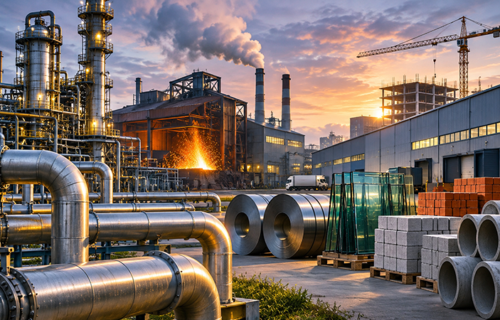
The greatest exposure is concentrated in chemicals, steel, metal processing, glass, ceramics, paper and building materials manufacturing. These industries depend heavily on energy for production, making gas prices an important factor in operating costs and international competitiveness. Companies with limited opportunities to increase selling prices may have to accept lower margins, while those operating under flexible contracts can adjust prices more quickly.
Nicole Bludau, Manager Risk Services at Atradius, warns that businesses unable to transfer higher costs to customers face growing pressure on liquidity. Manufacturers whose customer agreements permit price adjustments only once or twice a year may have to finance increased energy expenditure for several months before recovering the additional costs. This creates particular difficulties for companies already facing weak demand, high financing expenses or limited working capital.
For Germany’s construction and real estate sectors, the implications extend beyond manufacturing itself. Higher production costs for steel, glass, insulation, ceramics and other building materials could affect development budgets if manufacturers pass on additional energy expenses. Contractors working under fixed-price agreements may face pressure on profitability, while developers planning projects for 2027 could encounter greater uncertainty when negotiating construction costs. The eventual impact will depend on supplier contracts, competitive conditions and the strength of demand for new development.
Industrial property occupiers may also face indirect consequences. Manufacturers experiencing sustained pressure on profitability could reassess capital expenditure, production capacity and requirements for industrial premises. Conversely, companies seeking to reduce operating expenses may place greater importance on energy-efficient facilities and locations offering reliable infrastructure. These are potential property-market implications rather than confirmed changes in leasing or investment activity attributable to the latest gas prices.
Carbon pricing represents another consideration for industrial operators. Exposure varies according to the applicable emissions trading system, fuel consumption and production processes. Differences in energy costs between Germany and neighbouring European countries may also influence investment decisions, although relocating manufacturing capacity involves substantial expenditure, logistical complexity and operational risks.
Atradius expects the financial consequences of the winter energy market to become clearer during spring 2027, when companies begin publishing their final 2026 financial statements. Operational pressure could nevertheless emerge earlier through weaker margins, reduced cash reserves and delayed supplier payments. The insurer reports an increase in late payments compared with 2025, although it attributes this primarily to broader economic conditions rather than directly to recent energy price movements.
For industrial landlords, developers and investors, the coming months will provide an important indication of how resilient Germany’s manufacturing base has become since the previous energy crisis. Tenant financial stability, exposure to energy-intensive industries and the capacity of occupiers to manage rising operating costs will remain relevant considerations. While the present situation does not necessarily indicate a repeat of 2022, sustained energy price pressure could complicate industrial investment decisions and construction planning into 2027.