Friday, 30 October 2026
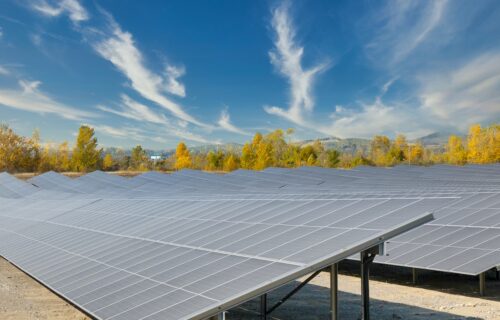
NEPI Rockcastle has completed a second large-scale solar electricity project in Romania, increasing the amount of power it can generate for its property operations across Central and Eastern Europe. The facility, located at Ariceștii Rahtivani in Prahova County, has an installed capacity of 56.2 MW and forms part of the shopping centre owner’s €100 million investment programme in renewable electricity production.
The new installation occupies approximately 75.5 hectares near the village of Nedelea, on land previously used for extracting construction aggregates. NEPI Rockcastle estimates that the facility will generate around 73,000 MWh of electricity annually, equivalent to the yearly consumption of more than 40,000 Romanian households. The project was developed with Global Technical Systems.
Following the opening, the company expects its solar generation capacity to represent approximately 31% of its total annual electricity requirements by the end of 2026, compared with 6% two years earlier. The percentage describes the relationship between expected electricity production and group-wide demand rather than the proportion of electricity directly supplied to individual shopping centres.
The investment comes as electricity consumption remains a significant operating expense for large retail properties. Shopping centres require continuous power for lighting, ventilation, cooling, escalators and other building systems. Electricity generated through company-owned facilities may reduce dependence on purchased energy, although the actual financial effect depends on production levels, operating costs and the commercial arrangements governing how the electricity is used or sold.
NEPI Rockcastle has committed approximately €100 million to its wider solar electricity programme. The company has not provided a separate construction cost for the Ariceștii Rahtivani facility or disclosed its expected financial return. The development nevertheless increases the proportion of the group’s electricity requirements that could be matched by production from its own generating assets.
The site has been developed on land previously affected by mineral extraction. Areas between the solar panels are being used for grazing sheep, allowing local farmers to make use of parts of the property while limiting vegetation growth around the equipment. The arrangement provides an alternative to mechanical vegetation maintenance, although the company has not quantified any resulting cost savings.
According to NEPI Rockcastle, annual electricity production from the facility could correspond to an estimated reduction of approximately 17,000 tonnes of carbon dioxide emissions. The figure is a projection based on expected generation and assumptions about the electricity that solar production would replace. Actual emissions savings will depend on operating performance and the composition of the electricity supply displaced.
The facility includes a dedicated transformer station and infrastructure that could accommodate battery storage equipment in the future. Adding storage capacity would allow some electricity generated during daylight hours to be retained for later use or delivery. However, no confirmed battery investment, storage capacity or construction timetable has been announced.
The project adds to the growing involvement of commercial property companies in electricity generation. For shopping centre operators, investment in energy infrastructure introduces costs and responsibilities beyond conventional property ownership, including equipment maintenance, production management and electricity market arrangements. The economic results depend on the relationship between capital expenditure, electricity prices and the volume of power generated over the operating life of the assets.
NEPI Rockcastle’s latest Romanian development increases its solar generating capacity as the company seeks to match a larger proportion of its portfolio’s electricity consumption with renewable production. The financial contribution of the investment, including any effect on property operating expenses, will depend on actual generation and the company’s future reporting.