Thursday, 19 March 2026
As EU member states prepare or refine Deposit-Return Systems (DRS) for beverage packaging to improve recycling performance, Romania’s system is attracting attention for its rapid implementation and early results. A new analysis by CES Bucharest, a think tank focused on economic and social development, outlines how DRS can support progress toward the EU’s 2030 climate and circular economy goals.
Romania operates the world’s largest fully integrated DRS for PET, metal and glass containers, launched in November 2023 and administered by RetuRO. According to the CES Bucharest assessment, the first full year of operation generated an estimated EUR 300 million impact on the national economy, created more than 2,200 jobs and achieved a recovery rate of about 84% in 2025 so far.
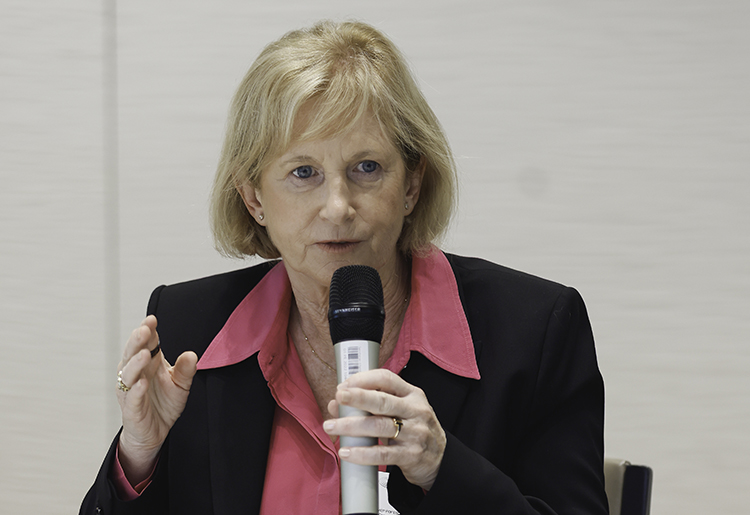
To present these findings, CES Bucharest hosted a discussion at the European Parliament with policymakers, industry representatives and DRS specialists.
Gemma Webb, CEO of RetuRO, said: “Romania has built one of the fastest-maturing DRS systems in Europe, delivering solid performance and offering a clear example of how a large-scale, integrated system can generate environmental, economic and social benefits in a short timeframe. Moreover, Romania implemented its DRS voluntarily, ahead of the EU’s 2029 deadline, which helped avoid last-minute pressure and ensured that a robust governance model was established from the outset. With the expertise, results and insights gained, Romania stands ready to contribute constructively to the EU’s wider discussions on DRS implementation and alignment.”
High return rates in established systems
CES Bucharest notes that countries with long-standing DRS programmes record return rates between 85% and 98%, including Norway, Sweden and Germany. These outcomes indicate that deposit-return systems can support the EU’s target of recycling 70% of all packaging by 2030.
Romania is using its early experience to outline practical considerations for other member states preparing their own systems. The analysis details governance structures, operational milestones and market performance indicators that helped coordinate producers, retailers and authorities and improve container collection rates.
Behavioural trends across user groups
CES Bucharest also examined the system’s social impact. Young adults (18–30) reported being motivated by both financial incentives (94%) and environmental concern (93%), with many adopting additional environmentally conscious habits. Families with children use the system as a learning tool, with 94% citing responsibility education and 97% citing environmental protection. Among seniors (60+), 97% value the financial return and 88% report moral satisfaction, with 80% expressing high satisfaction overall.
The analysis finds that the system also provides stable income opportunities for vulnerable groups, with average earnings around EUR 100 (520 lei) per month from returned containers.