Tuesday, 3 February 2026
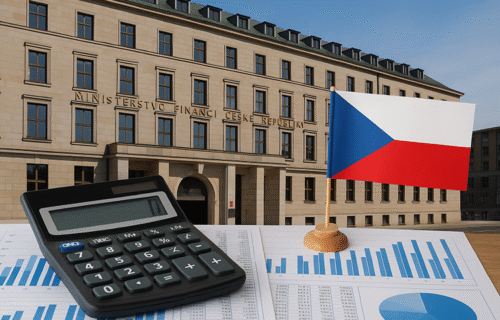
The Czech state budget recorded a surplus of CZK 32.4 billion in January, influenced largely by the temporary budget provisional that restricts government spending, the Ministry of Finance announced. It is the first January surplus since 2022, which also began under provisional budget rules. In January last year, the budget showed a deficit of CZK 11.2 billion.
Total revenues in the first month of the year reached CZK 181.4 billion, representing a year-on-year increase of 12.1 percent. The growth was driven mainly by higher tax collection and increased inflows from European Union funds. Government expenditures totalled CZK 149 billion, a decline of 13.9 percent compared with the same period last year.
Analysts expect the balance to weaken once the provisional regime ends and regular spending resumes. Komerční banka analyst Jaromír Gec noted that expenditure is likely to rise after the provisional is lifted, while the current boost in EU-related income may also prove temporary as it reflects reimbursements for projects financed in previous periods.
Revenue increased by nearly CZK 20 billion year-on-year in January, with EU transfers accounting for a significant portion of the rise. The Czech Republic received CZK 24.1 billion from the EU during the month, CZK 13.3 billion more than a year earlier. Finance Minister Alena Schillerová stated that prioritising the use of European funds contributed to the higher income figure, describing the result as a return to more typical levels rather than an exceptional peak.
Among tax categories, personal income tax showed the fastest growth, reaching CZK 17.5 billion, up 8.5 percent year-on-year, reflecting wage increases. Social insurance contributions amounted to CZK 68.8 billion, an annual rise of 5.8 percent. Value-added tax collection grew by 3.9 percent to CZK 43.6 billion, while excise duties generated CZK 16.4 billion, up 5.6 percent from the previous year.
Expenditure trends were shaped by the provisional budget framework, which limits monthly spending to one-twelfth of the previous year’s total. The Ministry of Finance indicated that this particularly affected current spending, including temporary reductions in allocations for education, research and innovation.
Social benefits remained the largest expenditure item at CZK 82.5 billion, an increase of 3.8 percent year-on-year. Of this amount, pensions accounted for CZK 64.1 billion, rising by 3.1 percent compared with January last year. Capital expenditures rose to CZK 8.3 billion, CZK 6 billion higher than a year earlier, including CZK 4.4 billion transferred to the State Fund for Transport Infrastructure. The ministry noted that investment spending is typically lower at the beginning of the year, with most projects implemented later in the budget cycle.
The Czech Republic entered 2026 under provisional budget rules after the government rejected the previous draft budget proposal. A new budget plan has since been approved by the cabinet and is expected to be finalised by parliament in March. In 2025, the state budget closed with a deficit of CZK 290.7 billion, the fourth-largest shortfall since the country’s establishment.