Thursday, 17 September 2026
Offshore wind energy development in Poland is accelerating, with industry stakeholders seeking to address concerns related to tourism and environmental impact through data and experience from established European markets.
The sector is emerging as a key component of Poland’s long-term energy strategy, with initial investments estimated at more than PLN 130 billion and potential total expenditure reaching up to PLN 500 billion by 2040. Proponents argue that offshore wind will support energy security, stabilise electricity prices and contribute to industrial growth.
At the same time, the expansion of offshore projects has been accompanied by public debate over potential negative effects, particularly on coastal tourism and marine ecosystems. Industry representatives say these concerns are not supported by available evidence when projects are implemented in line with regulatory standards.
“The public debate surrounding offshore wind energy is still rife with oversimplifications and inaccuracies. Yet both European experience and available research clearly show that offshore wind poses no threat to either tourism or the environment, provided projects are carried out in accordance with applicable standards. It is crucial to base the discussion on data, not on repeated myths,” said Małgorzata Żmijewska-Kukiełka, CEO of Green Transition HUB.
Industry data indicates that the emissions generated during the manufacturing and installation of offshore turbines are offset within the first years of operation, after which the assets contribute to net carbon dioxide reductions compared to fossil fuel-based energy sources. Developers also point to increasing recyclability of turbine components and regulatory requirements for decommissioning plans.
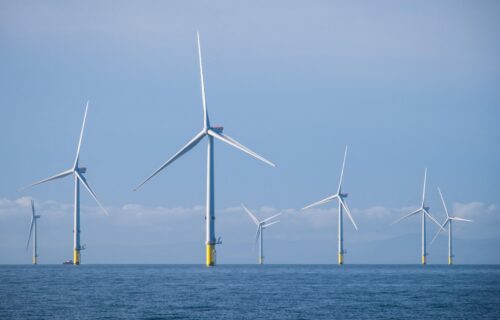
Concerns regarding tourism impacts have been a recurring theme in public discussions. However, offshore wind farms in Poland are planned at distances of several dozen kilometres from the coastline. Experience from countries such as Denmark, Germany and United Kingdom suggests that similar developments have not led to measurable declines in visitor numbers or holiday rental demand. In some locations, wind farms have been incorporated into tourism offerings, including boat tours and educational facilities.
Environmental impact remains a key consideration in project development. Offshore wind projects in Europe are subject to multi-year environmental assessments covering marine habitats, fish populations and bird migration patterns. According to industry-backed analyses, no significant long-term population declines have been directly attributed to operational wind farms.
Construction-related impacts, such as underwater noise during foundation installation, are addressed through mitigation measures. At the same time, some studies indicate potential ecological benefits, including the creation of artificial reef structures around turbine foundations and reduced fishing activity in surrounding areas, which may support marine biodiversity.
The sector continues to emphasise the need for evidence-based discussion as Poland moves forward with one of its largest infrastructure programmes, while public scrutiny remains focused on balancing energy transition goals with environmental and social considerations.