Thursday, 22 October 2026
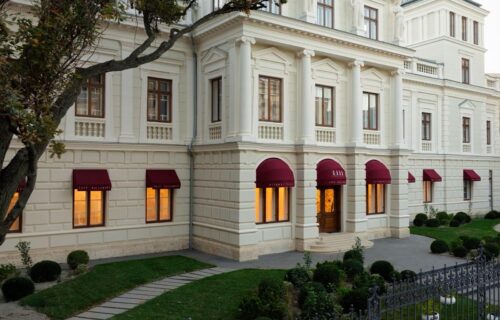
H Știrbei Palace at 107 Calea Victoriei, a Class A historical monument with nearly 200 years of history, is being repositioned as a luxury department store following a €20 million restoration led by Hagag Development Europe. Built in 1835 for Barbu Știrbei, later Prince of Wallachia, the Neo-Classical building has served over time as a princely residence, a venue for high-society events, and, after nationalisation in 1948, a series of museum uses. After years of degradation following its sale in 2005, the property entered a new phase in late 2023 as Hagag began works aimed at restoring heritage value while delivering a contemporary retail experience in one of Bucharest’s most prominent high-street locations.
In a CIJ EUROPE interview conducted on site, Andreea Dumitru, Chief Marketing Officer at Hagag Development Europe, said the scheme was never conceived as a mall, but as a “luxury department store” concept that informed the acquisition decision from the outset. “You will not find luxury retail in a mall,” she said, adding that the building’s entrance sequence, geometry and floor layouts were seen as inherently compatible with a high-end, curated retail format.
Rather than forcing modern shopping-centre logic into a protected structure, the development approach focused on minimal but decisive interventions. Andreea Dumitru said Hagag introduced a new vertical circulation core, an elevator and a second staircase, alongside newly built back-of-house elements such as toilets, while the rest of the interiors were restored using existing elements or recreated components based on the historical study prepared for the project. The aim, she noted, was to preserve the building’s spatial character while enabling an efficient luxury customer journey across floors.
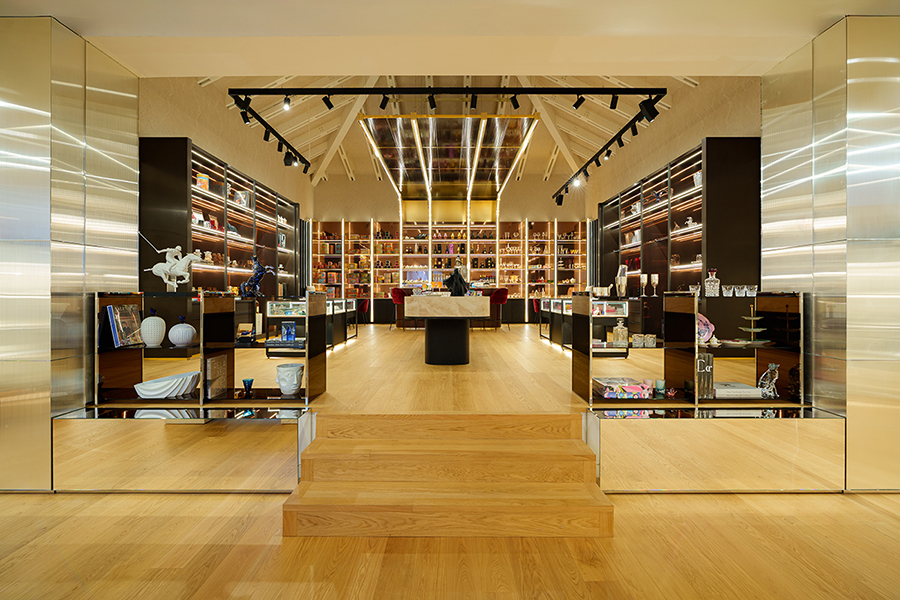
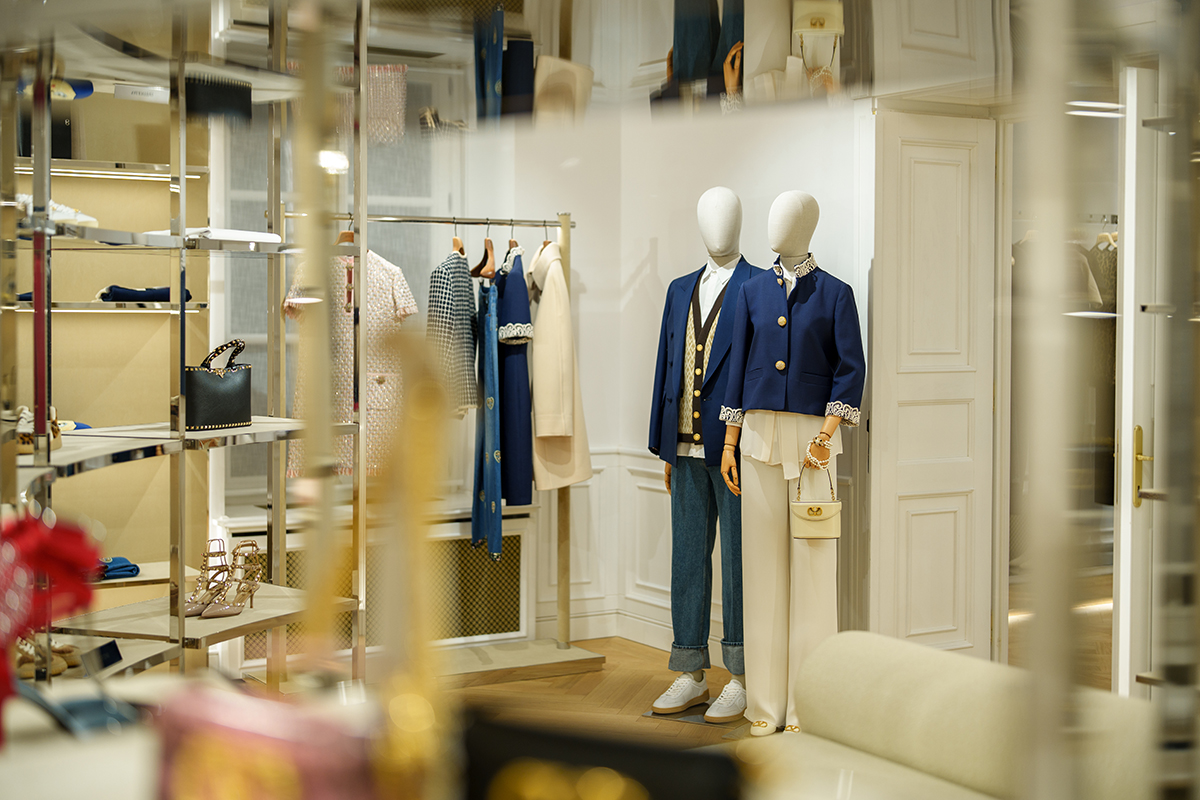
The tenant concept, described as “room in room,” was designed to maintain each brand’s dedicated identity rather than group categories by floor. As a result, men’s and women’s offers are mixed depending on the brand rather than separated into distinct levels. Andreea Dumitru said the fit-out was led by the tenant in coordination with luxury houses and aligned with heritage constraints through approvals involving Ministry of Culture experts, reflecting the need to balance strict brand standards, particularly for furniture and lighting, with a listed-building context.
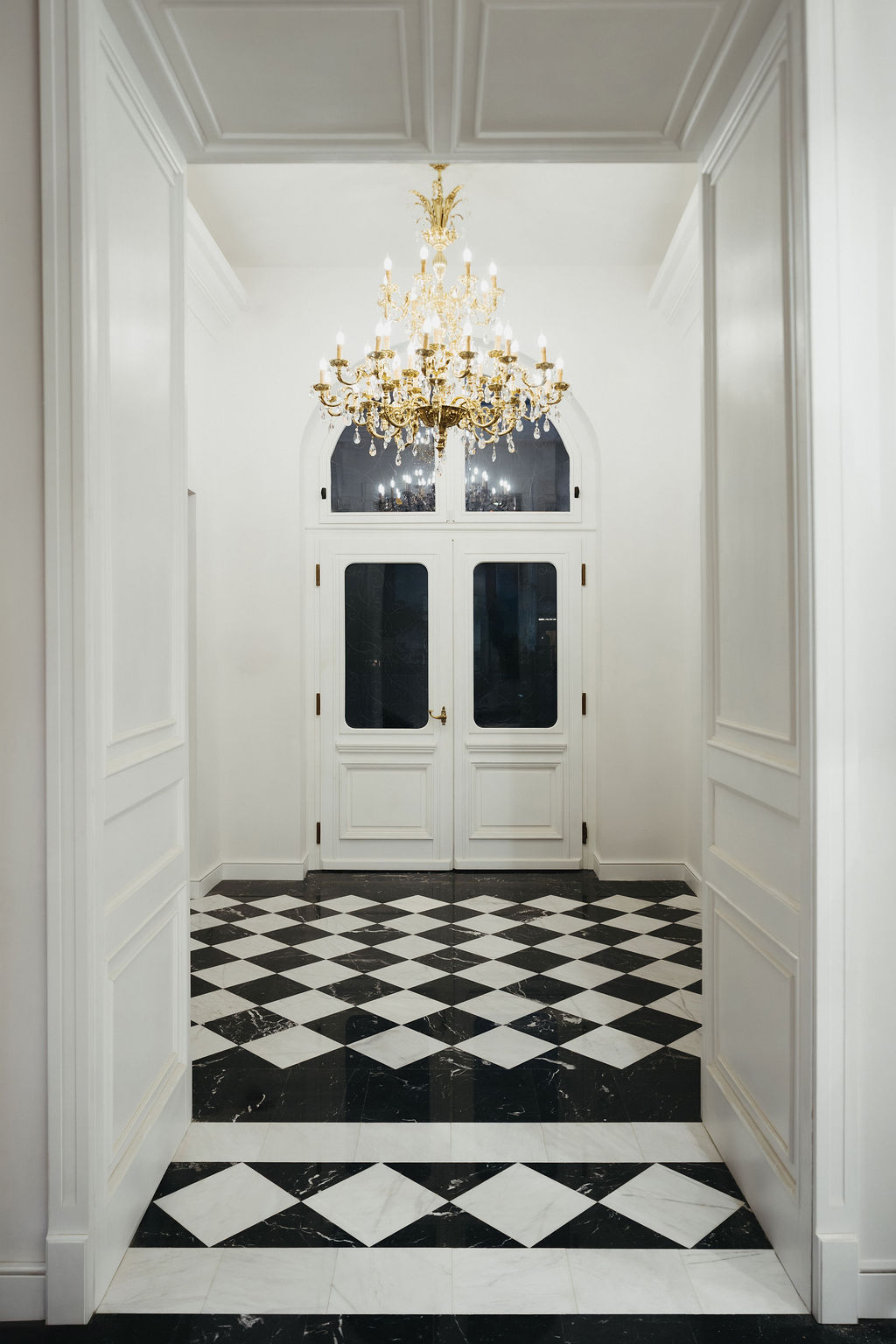
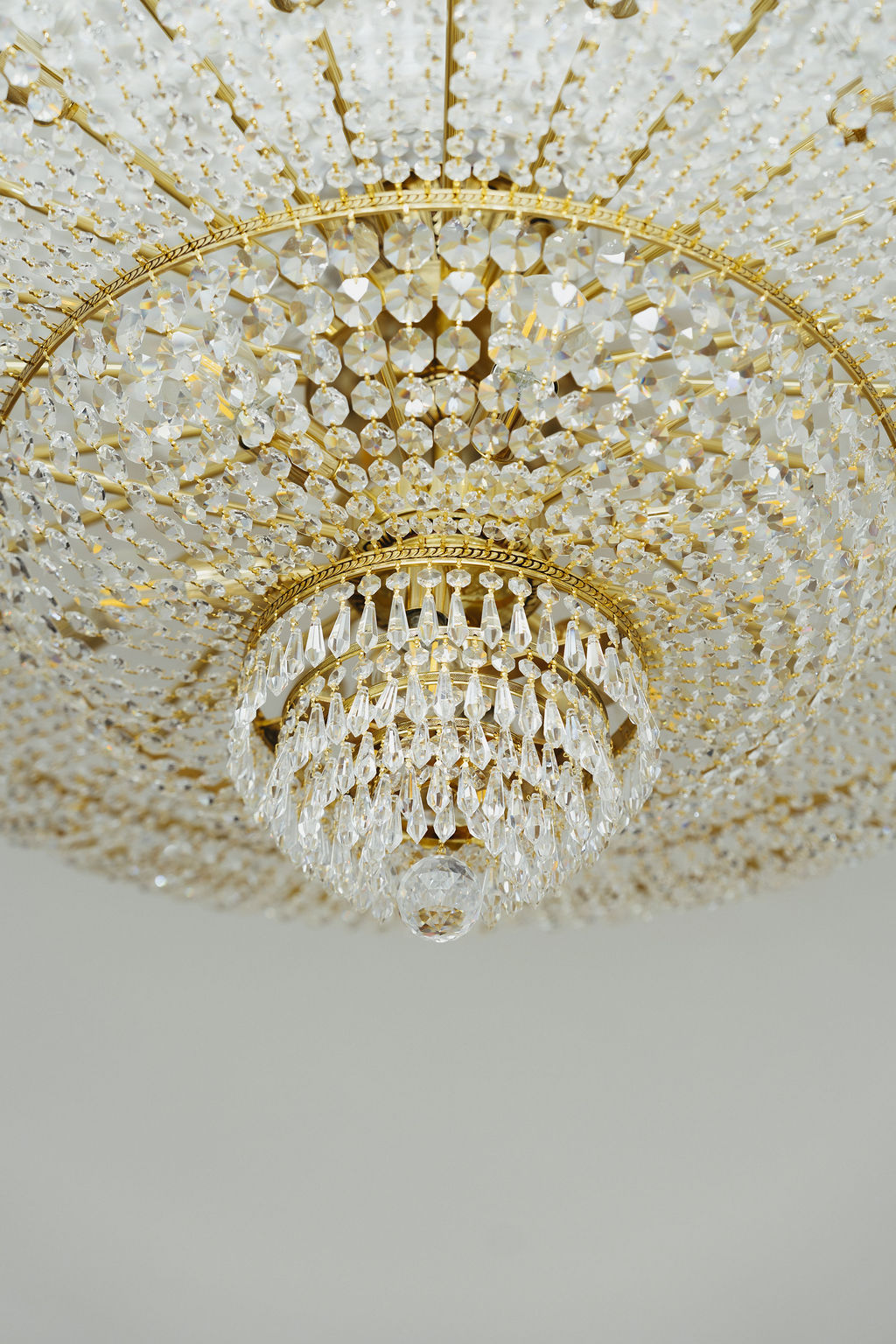
Asked what remains original, Andreea Dumitru pointed to the main staircase as a preserved element, while other features were reconstructed based on documentary evidence. Marble finishes at ground level were remade after being identified in the historical study, and chandeliers were recreated to resemble historic designs. Where original joinery could not be restored, components such as doors, windows and profiles were custom-made to match the original appearance. In one area identified historically as the throne room, Hagag kept a visible reference point to where the throne would have stood, underscoring the intent to interpret heritage rather than erase it.
Andreea Dumitru said early footfall has reflected both the luxury customer base and broader public curiosity. “The ones that actually buy luxury items, also tourists, also locals that are curious what happened to the property,” she said, adding that, as a new destination, the visitor mix is still settling. Within the retail offer, she referenced luxury labels including Dior and Valentino among the brands present within the department-store format.
On operations and servicing, the project relies on a back-of-house logistics strategy that avoids disrupting the customer experience. The building benefits from rear access, with storage and technical areas located primarily in the basement and within a reconstructed annex occupying the footprint of former stables. Andreea Dumitru said merchandise circulation is handled from the back through basement-level systems, ensuring that “you will not see here boxes and things like that,” with supply chain execution supported by the tenant’s operational know-how. During the final phase of works, Hagag temporarily closed the area in front of the main façade and entrance under permits from the city hall to complete the frontage safely.
In the basement, Andreea Dumitru pointed to preserved historical fabric including original brickwork in former wine cellars, which was sealed to prevent dust while keeping the material visible. Beyond conservation, the restoration included replacement of building services to modern standards. Andreea Dumitru said the property is fully electric, supported by updated mechanical, electrical and plumbing systems, including new fire detection and ventilation. Water consumption is reduced through low-flow fittings, reflecting a pragmatic sustainability approach suited to a heritage asset with limited scope for major structural change.
On delivery risks, Andreea Dumitru said permitting was the largest challenge, noting that authorities treated the listed building in procedural terms “the same as a new one,” which created delays. Cost control, she said, was supported by detailed preparation, historical studies and structural expertise, allowing the team to budget accurately before execution. When asked what she is most proud of, Andreea Dumitru pointed to the outcome and to the extent of material preservation achieved, including retaining and strengthening original timber floor structures dating back around 200 years. She added that heritage stakeholders responded positively to the end result, describing consistently positive reactions from visitors to the completed spaces.
A key constraint, Andreea Dumitru said, was sourcing specialist restoration workmanship in Romania. “The biggest problem is to find proper teams that know how to restore old stuff,” she said, citing limited availability of craftsmen able to handle hand-painted ceilings with gold detailing, wood and metal restoration, and the approvals required by the Ministry of Culture. The scarcity of specialist teams, she added, reflects a market with relatively few heritage projects under active construction at any one time.
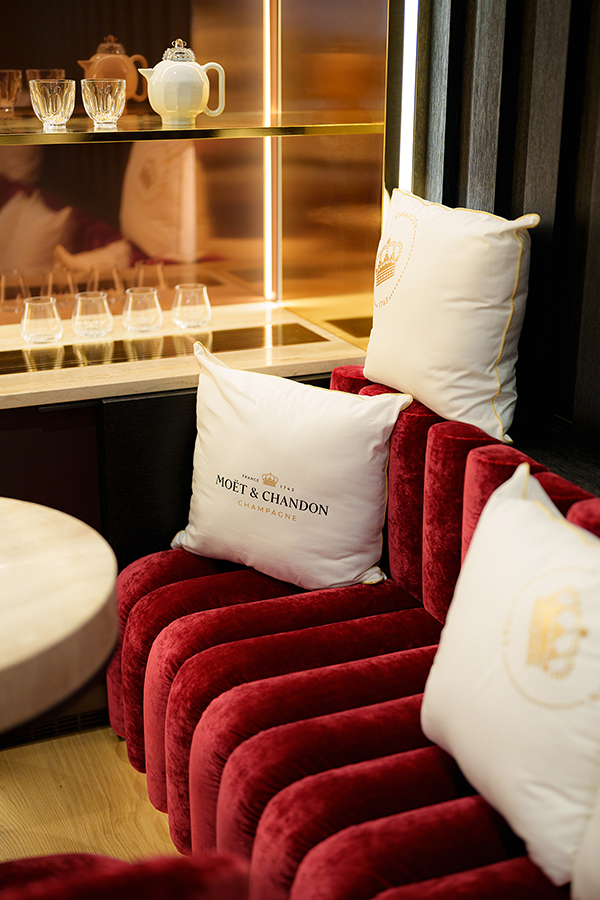
Looking ahead, the next phase for the wider complex is expected to include a restaurant component in the rebuilt former stables annex, planned as a high-end concept aligned with the luxury positioning of the department store. Andreea Dumitru said the operator is not yet disclosed, but discussions are advanced and the target is to open “by summer or the end of the summer,” subject to final agreement and delivery. She also highlighted experiential elements already embedded in the tenant’s concept, including an in-store champagne and coffee bar designed to keep visitors on-site longer and complement the luxury shopping environment.
Andreea Dumitru said Hagag is also focused on long-term asset care, with an in-house maintenance plan developed specifically for the building’s restored materials and features, rather than outsourcing responsibility to a third party. The plan covers elements such as parquet, columns and historic stoves, with Hagag overseeing implementation to ensure the restored interiors retain their condition over time.
With H Știrbei Palace reopening as a high-end retail destination, Hagag’s strategy signals a broader bet on Calea Victoriei’s evolution into a more mature luxury corridor, one shaped by heritage-led redevelopment, curated tenant mixes and hospitality-adjacent experiences. The project also illustrates the practical challenge facing developers working with protected assets in Bucharest: success depends not only on capital and design, but on specialist craftsmanship, patient permitting navigation, and operational solutions that respect both the building’s history and the expectations of global luxury brands.
© 2026 cij.world