Saturday, 19 September 2026
As stress and burnout remain among the most common challenges facing modern urban populations, attention is increasingly turning to the role housing plays in supporting mental well-being. Recent European research highlights the importance of factors such as access to daylight, contact with greenery and a sense of privacy in reducing long-term stress. In response, residential developers are placing greater emphasis on design principles that frame the home as a place of recovery rather than simply a functional living space.
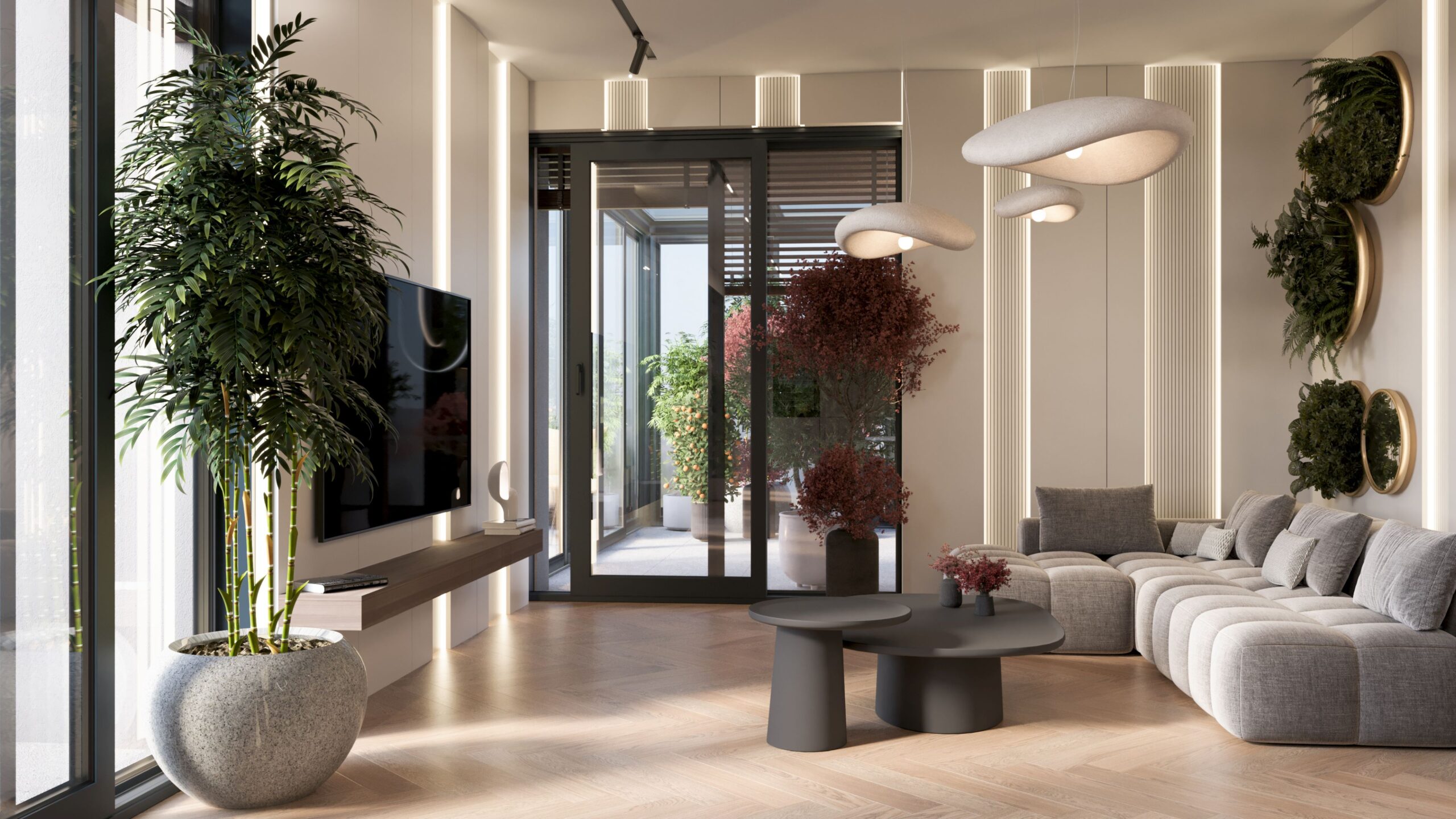
According to Eliška Koderová, Sales Director at Geosan Development, contemporary residential architecture is increasingly shaped by these findings. “The key elements of this concept are large windows that maximise daylight, connecting the interior with the exterior through terraces or winter gardens, high-quality acoustic insulation to protect against noise, and flexible spaces that allow for the creation of quiet zones separate from work activities. Contact with greenery, even if only visual, has been proven to reduce stress hormone levels,” she said.
The idea of the home as a “sanctuary” does not imply luxury in a traditional sense, but rather a carefully considered environment that supports natural daily rhythms and offers relief from the pace of city life. Design choices related to orientation, ventilation, acoustics and materials are increasingly viewed as factors with a direct impact on health, sleep quality and concentration.
Koderová notes that the growing prevalence of remote and hybrid work has reinforced the need for functional zoning within apartments, allowing residents to clearly separate work from rest. Similarly, attention to air quality, natural materials and interior greenery is seen as contributing to a calmer and more balanced living environment. “Home should be a place where we feel safe and can truly slow down. In today’s world of constant rush and digital overload, this is perhaps more important than ever before,” she said.
One trend reflecting these priorities is the rising interest in rooftop apartments and penthouses, which tend to offer greater privacy, reduced noise and direct access to outdoor space. Terraces are increasingly treated as an extension of the living area rather than an optional extra, providing space for relaxation, gardening or quiet activities away from street-level intensity.
Geosan Development points to its Radimova Residence in Prague’s Břevnov district as an example of how these principles are being applied in practice. The penthouses are designed to maximise daylight, connect interior spaces with terraces and provide enhanced sound insulation. They are offered in a shell-and-core format, allowing owners to adapt layouts and finishes to individual needs, and are equipped with systems such as heat recovery, underfloor heating, air conditioning and external blinds.
From an economic perspective, the company argues that investment in housing quality should be viewed as a form of prevention rather than an added cost. Prolonged exposure to noise, insufficient daylight or lack of privacy has been linked to lower productivity and higher health-related costs over time. “People often perceive quality housing as a luxury, but it is a basic investment in their own health and well-being. In the long term, this investment will pay off many times over—not only in the form of better fitness and vitality, but also higher productivity and overall quality of life,” Koderová concluded.