Thursday, 10 September 2026
For much of the modern retail era, India’s consumption story was shaped by its largest cities. From the late 1990s through the early 2010s, organised retail, shopping malls and branded consumption were largely concentrated in metropolitan centres such as Mumbai, Delhi and Bengaluru. These cities benefited from higher incomes, early exposure to global brands and stronger physical retail infrastructure. Over time, however, rising costs, congestion and intense competition began to limit incremental growth in these markets.
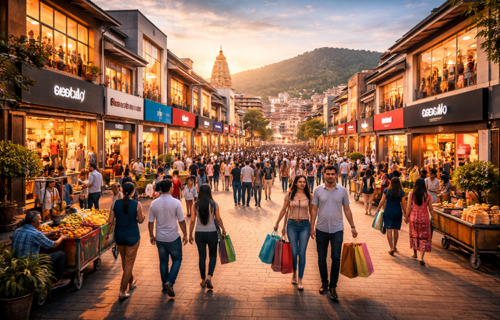
As a result, the centre of gravity in Indian retail has gradually shifted. Smaller cities, once viewed as peripheral markets, are now emerging as engines of demand and development. Urban centres across northern, southern and eastern India are increasingly shaping consumption trends, driven by rising aspirations and improving access to goods and services. What was once a metro-centric model has evolved into a far more distributed retail landscape.
Several structural changes have enabled this transition. Digital payments have become deeply embedded in everyday commerce, allowing even small merchants and consumers in non-metro areas to transact seamlessly. This shift has reduced reliance on cash, improved transparency and made organised retail formats more viable in towns that previously operated almost entirely through informal channels. The widespread adoption of instant payment systems has lowered entry barriers for retailers while expanding choice for consumers.
Logistics and connectivity have also played a critical role. Improvements in road networks, freight movement and urban infrastructure have shortened delivery times and reduced costs, making it feasible for retailers and online platforms to serve a wider geography. Warehousing and fulfilment facilities are no longer limited to major metros; they are increasingly located closer to consumption centres in smaller cities, enabling faster and more reliable last-mile delivery.
These developments have coincided with a marked change in consumer behaviour. Shoppers in Tier-2 and Tier-3 cities are more digitally engaged than ever before, spending significant time browsing and purchasing online. Their preferences have evolved beyond basic necessities to include electronics, fashion, personal care and aspirational products. Seasonal sales and promotional events now see participation from across the country, not just from large urban centres.
Brands have responded accordingly. Many premium and aspirational labels are expanding aggressively outside metros, opening stores, strengthening distribution networks and tailoring offerings to local demand. For a growing number of companies, a substantial share of sales now comes from smaller cities, reflecting both higher growth rates and lower saturation compared to established metro markets.
From an operational perspective, these locations offer clear advantages. Real estate costs are lower, labour is more readily available and competitive intensity is less severe, allowing businesses to operate with healthier margins. Early entrants often benefit from strong brand recall and customer loyalty, giving them a durable advantage as markets mature.
Challenges remain. Infrastructure quality can be uneven in peri-urban areas, talent retention is more difficult outside major cities, and regulatory processes are not always streamlined. Yet these issues are increasingly being addressed through coordinated public and private investment, as policymakers and businesses recognise the importance of inclusive urban growth.
India’s retail evolution is therefore no longer defined by a handful of large cities. The next phase of expansion is being written in smaller urban centres that combine rising incomes, digital access and improving infrastructure. As consumption spreads more evenly across the country, Tier-2 and Tier-3 cities are set to play a decisive role in shaping the future of India’s retail and consumer economy.
© 2026 cij.world