Saturday, 19 September 2026
Hybrid work is changing how offices are used, and younger employees are redefining what they expect from workplace environments. A 2025 Deloitte survey shows that 73% of Czech Gen Z respondents and 85% of millennials prioritise meaningful work, collaboration opportunities, and conditions that support well-being. Českomoravská nemovitostní (ČMN), the third-largest office landlord in Prague, is adjusting its properties accordingly, focusing on flexible layouts, sustainable features and community-oriented spaces.
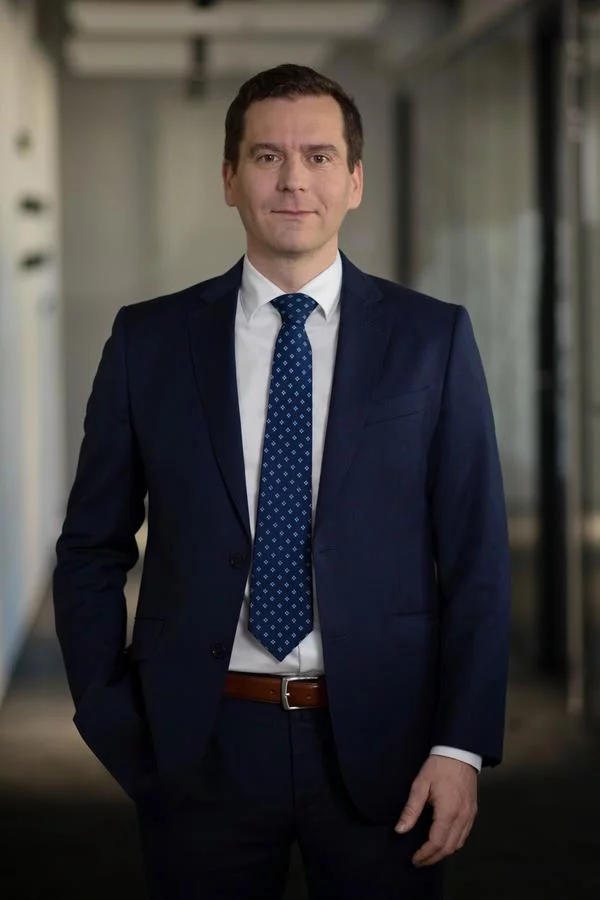
As work habits evolve, the role of the office is shifting from a place for individual performance to a setting for collaboration, informal exchange and maintaining company culture. “Generation Z has specific demands—it expects flexibility, an inspiring environment, and a strong emphasis on well-being,” says Pavel Kadera, ČMN’s asset management expert. “Companies that want to remain attractive to young talent must reflect these needs in their office design.”
Although people are spending less time at the office than in previous years, expectations regarding the quality and functionality of workspaces are increasing. “Gen Z doesn’t want an office that just looks good. They want an environment that supports collaboration, concentration, and offers different types of work zones,” Kadera notes. According to Deloitte, long hours and limited flexibility remain key sources of stress for younger workers, and the office is therefore expected to be a place that employees choose to use, rather than a location they feel obliged to attend.
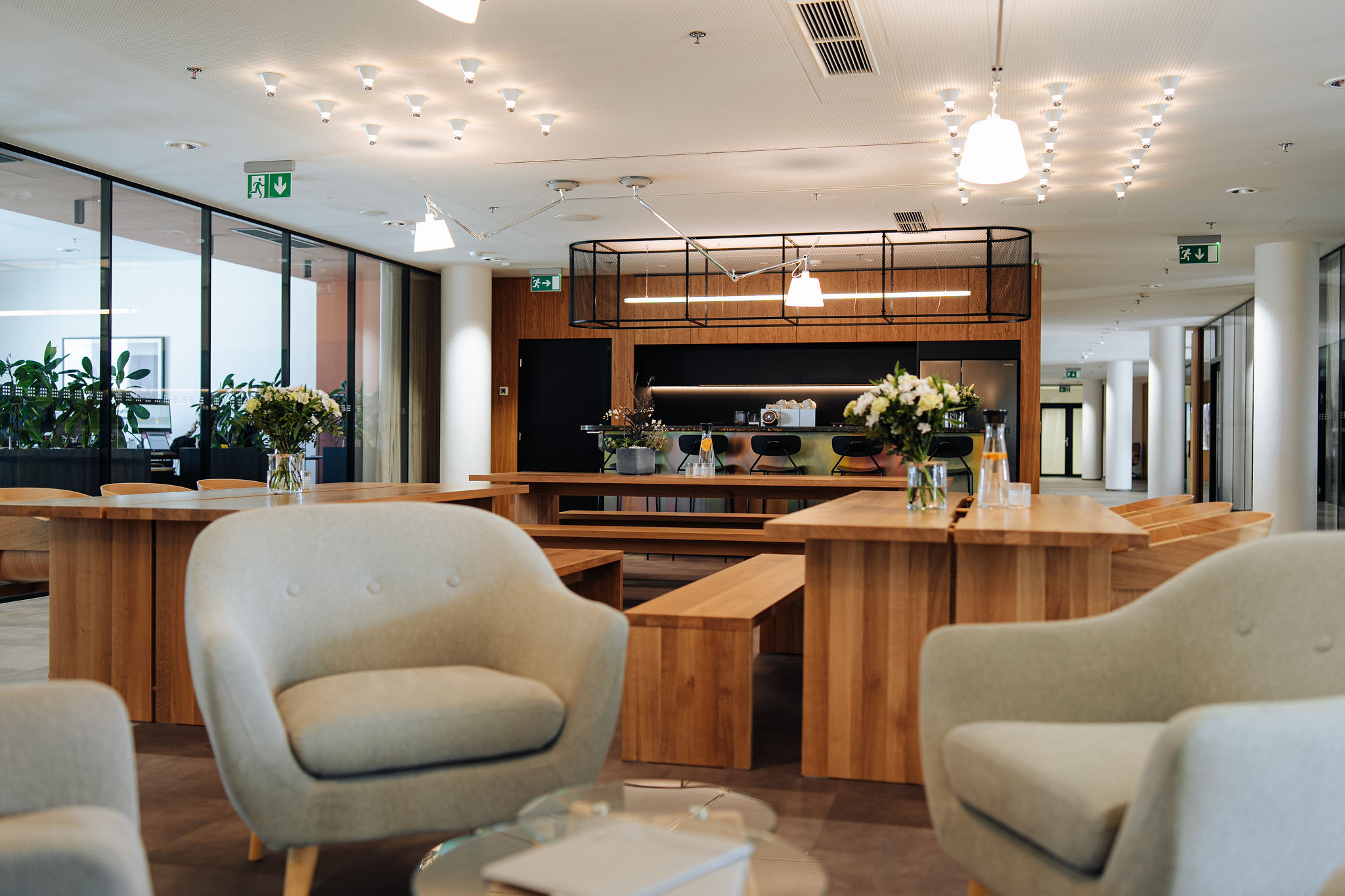
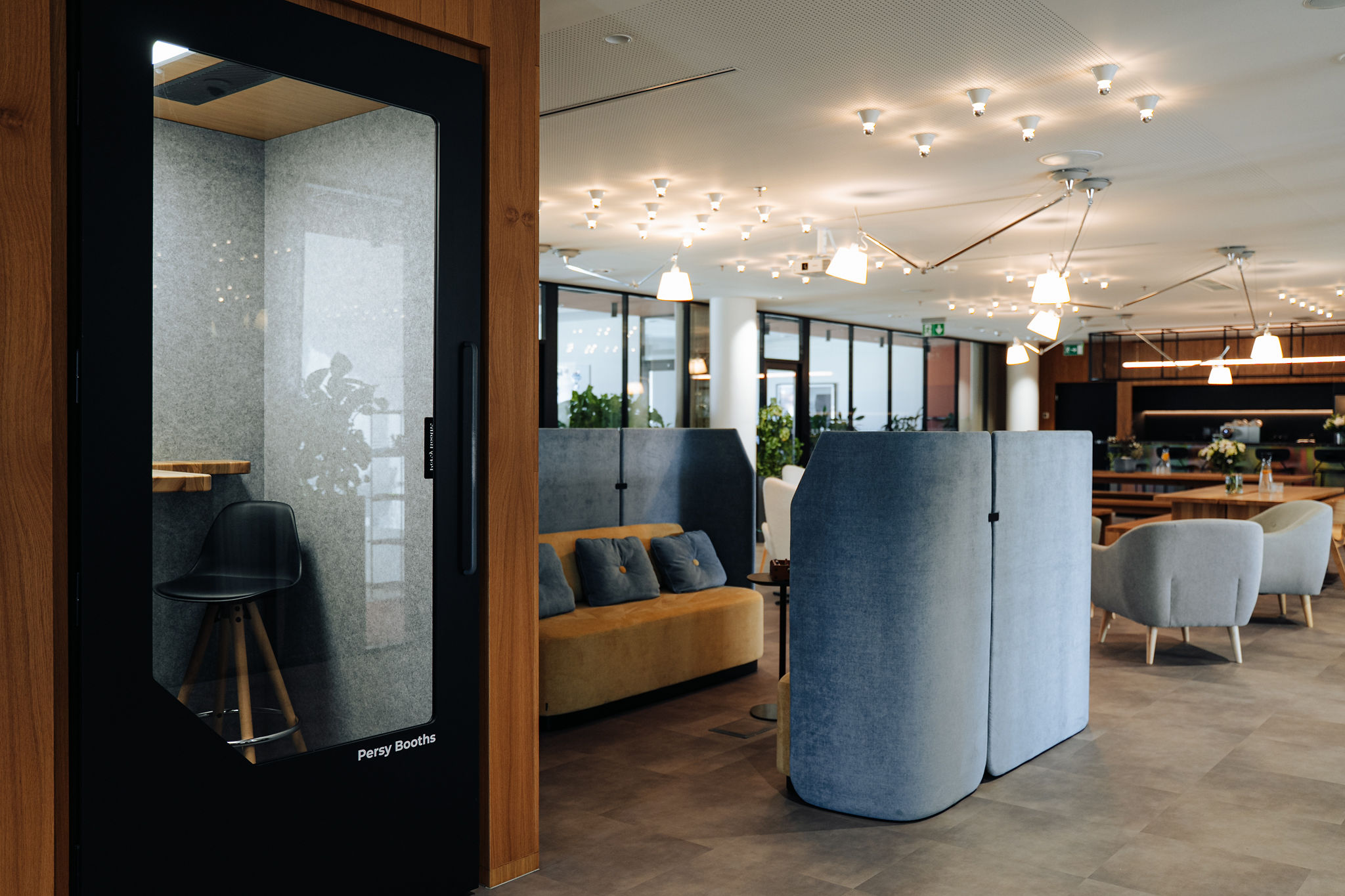
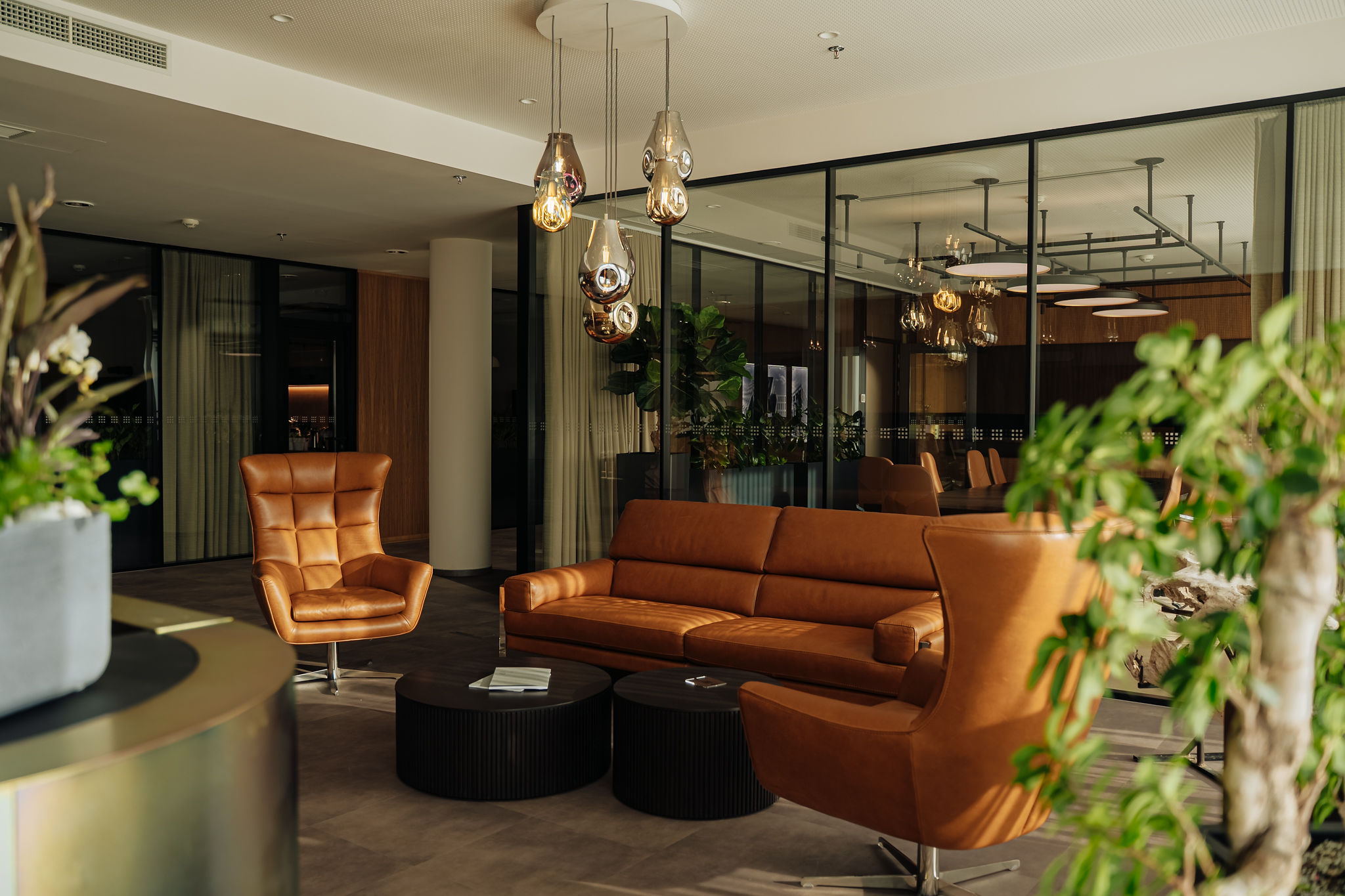
Trends in workplace design have moved away from decorative or playful features toward practical, purpose-driven environments. Companies are now requesting spaces that combine open areas with rooms for quiet work, along with shared cafés, lobbies and kitchens that encourage informal interaction. Well-being features such as natural light, good air quality, quiet areas and the option to work outdoors are gaining importance. Sustainability is also becoming central, with greenery, energy-efficient technologies and environmentally responsible materials increasingly incorporated into designs. Deloitte’s survey indicates that 69% of Czech Gen Z employees actively follow their employer’s ESG commitments, reinforcing expectations that office spaces reflect these values.
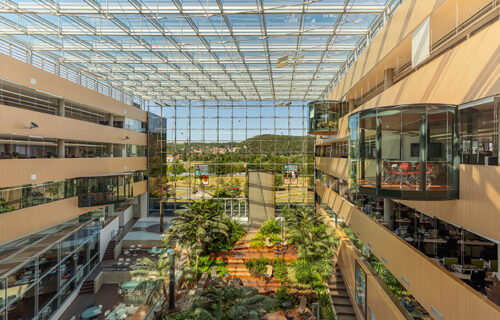
ČMN is adapting its buildings to reflect hybrid work patterns, combining flexibility, community interaction, opportunities for focused work, sustainability and technological readiness. One example is the Smíchov Gate building, where outdoor work zones with electrical connections have been installed to allow employees to work in fresh air. These areas are intended to support comfort and balance during the working day.
Community spaces are being expanded as well. The lobbies and cafés in the Blox and Churchill buildings have become regular meeting points, while a similar role is played by the coffee corner in the Mezi Vodami building in Modřany. To address the need for concentrated work, ČMN is creating quiet rooms and private zones that reduce the interruptions common in open-plan offices. Cooperation with coworking providers such as Scott.Weber and Cafedu extends the range of available work environments, allowing tenants to choose between quiet spaces, meeting areas and flexible coworking zones depending on their daily needs.
Technological upgrades and sustainability measures accompany these changes. ČMN buildings are being prepared for hybrid meetings, improved digital connectivity and modern workplace tools. At the same time, energy-efficient systems and green features are being introduced across the portfolio in response to growing expectations among younger employees, who increasingly consider ESG principles when evaluating employers.
“Location remains key—but today, a good address is no longer enough,” Kadera concludes. “The office must be a place where people want to go—not where they have to be.” ČMN says it aims to reflect these expectations in its building design and in its strategies for working with tenants.