Wednesday, 2 September 2026
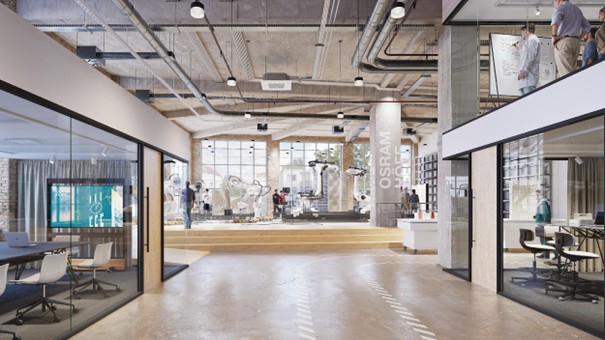
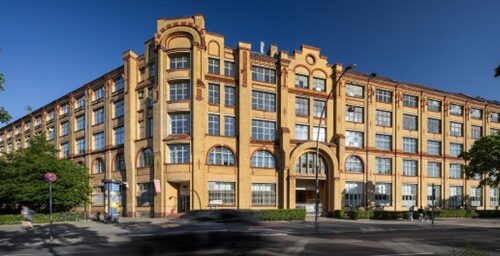
Feldberg Capital has begun the redevelopment of the former Osram Courtyards in Berlin-Mitte, initiating a multi-year project to convert the listed industrial site into a large-scale life science campus. The investment volume is around €100 million, with completion planned in phases through to 2030.
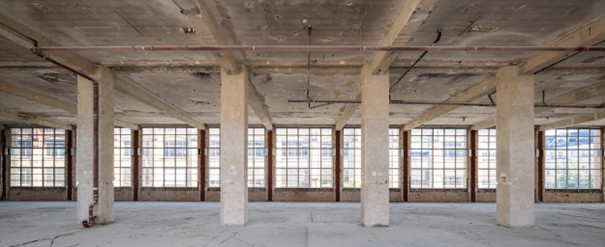
The 65,000 sqm complex, located between Oudenarder Strasse, Seestrasse, Groninger Strasse and Liebenwalder Strasse, will undergo a full refurbishment. Approximately 20,000 sqm will be converted initially into laboratory and research space. These areas will be progressively modernised and leased to institutions and companies active in the life sciences sector. Current tenants include Charité, the German Heart Centre and several laboratory operators, alongside users from retail, public services and brewing.
Feldberg took over the site in mid-2024 and is now moving ahead with implementation. Planned measures include expanding laboratory and office capacity, improving energy efficiency within heritage constraints, refurbishing roof structures and redesigning outdoor areas. The updated landscaping concept will add green and public spaces intended to integrate work, residential and everyday uses. All works are being coordinated with heritage authorities.
“The former Osram Courtyards offer ideal conditions for the development of a modern life sciences campus – both structurally and in terms of location,” said Rodney Bysh, CEO of Feldberg. “We are proud to lead this iconic Berlin industrial landmark into the future – creating long-term value for our investors, the city, and Germany as a business hub. This repositioning lays the foundation for highly qualified jobs in one of the most dynamic future industries, while strengthening the life sciences cluster of the Berlin-Brandenburg region.”
Laboratory and research space remains in strong demand across the Berlin-Brandenburg region, particularly units designed around stringent safety, functionality and technical requirements. The site can accommodate both large-format laboratories and modular configurations combining laboratory, office and storage areas.
The complex has more than a century of industrial history. Lightbulb production began there in 1904, and after Osram acquired the facility in 1935, it grew into one of Europe’s major lamp production sites and served as Osram’s German headquarters until the late 1980s.