Friday, 27 February 2026
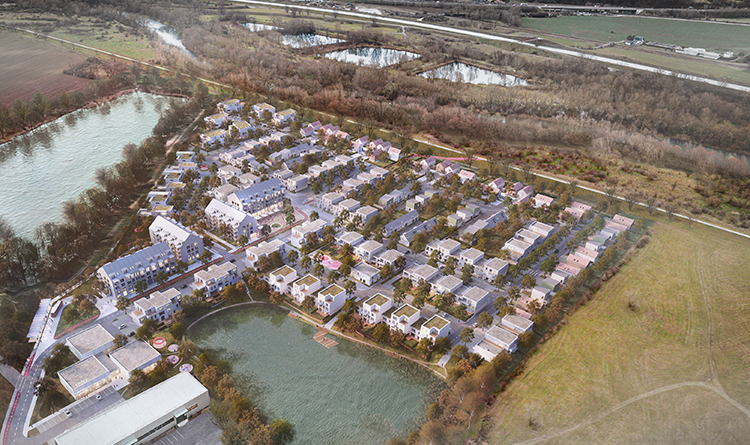
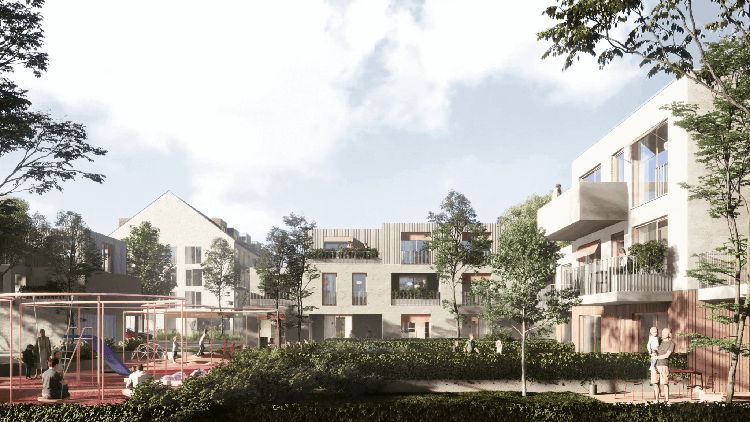
A new residential neighbourhood is planned in the Nozdrkovce district in the south-western part of Trenčín, where the Vážky project is expected to bring several hundred new homes in a setting shaped by water features and greenery. The development is being prepared on the site of the former VOD-EKO complex and is designed as a comprehensive residential zone combining different housing formats with public amenities.
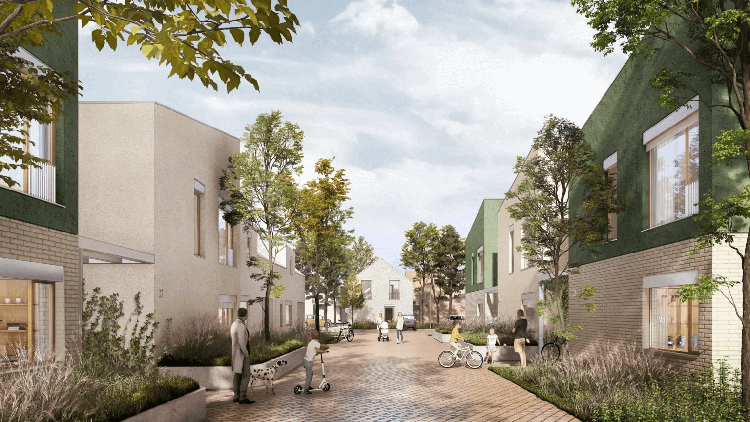
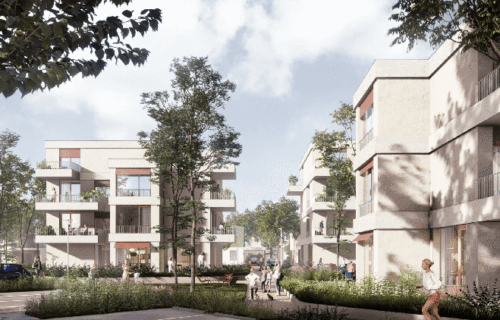
The masterplan covers an area of more than 12 hectares and foresees a mix of apartment buildings, smaller villa-style residential blocks and family houses. In total, the scheme is expected to deliver roughly 629 housing units, offering a range of options from one- to three-room flats to private houses with their own plots. The concept emphasises relatively low building heights and a varied urban structure intended to create a more intimate residential environment.
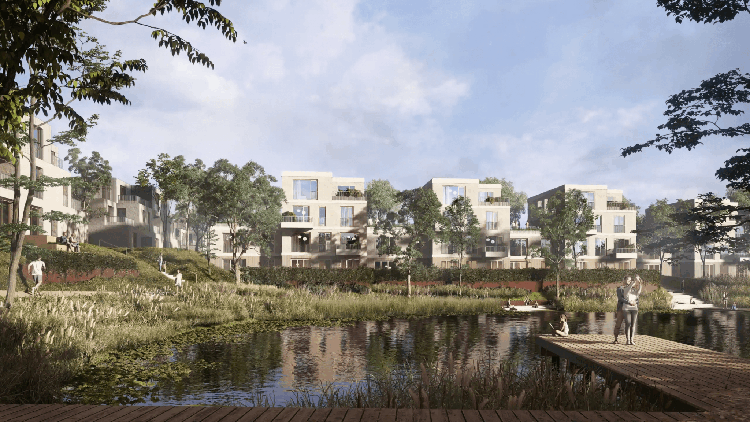
Urban and architectural design for the project has been prepared by Atelier Aurex, with the layout focused on integrating housing with landscaped public areas and the surrounding natural context. The location, situated near lakes and close to the Váh River, is being positioned as a quieter residential alternative while maintaining access to the city centre and key services.
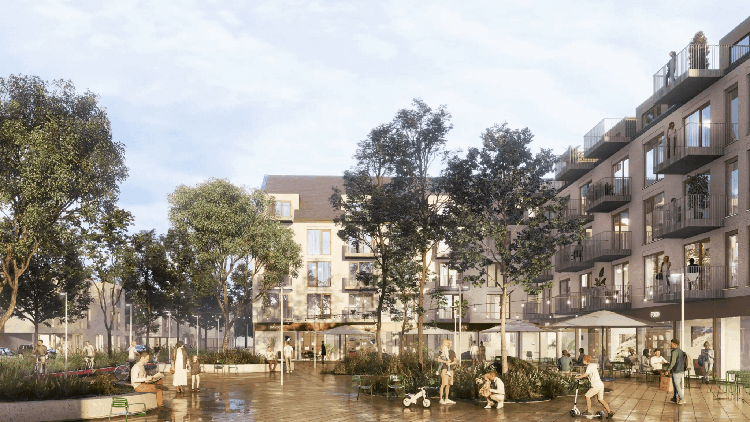
A significant portion of the site is dedicated to public and green spaces. Plans include a central square, shared streets, recreational areas and a lakeside promenade, alongside sports facilities and a multifunctional building intended to provide basic amenities for residents. The project also proposes direct links to the Váh cycling route, reinforcing the emphasis on outdoor living and connectivity.
The timing of the development coincides with a period of heightened visibility for the city, as Trenčín holds the title of European Capital of Culture 2026. Local authorities view the designation as an opportunity to stimulate long-term improvements across the city and region, including the renewal of underused locations, expansion of cultural and educational activities and stronger integration with European networks. This broader wave of investment and urban improvement is expected to support the attractiveness of new residential areas in the coming years.
According to the current schedule, construction of the first phase of Vážky is planned to begin in the third quarter of 2026, with the first homes expected to be delivered in the third quarter of 2028.
If completed as envisioned, the project will represent one of the more substantial additions to Trenčín’s recent housing pipeline. Its success will likely depend on sustained regional demand and the market’s response to lower-density, nature-oriented living formats. At the same time, the city’s European Capital of Culture year is expected to further strengthen Trenčín’s profile and support the longer-term appeal of emerging residential districts such as Nozdrkovce.