Tuesday, 31 March 2026
The disruption to global oil markets following the conflict involving Iran is expected to have wider and potentially delayed consequences, with analysts indicating that the full impact has not yet been reflected in European markets.
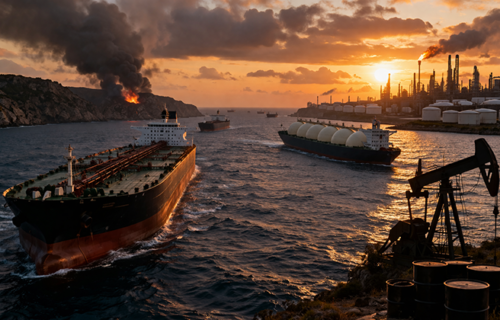
Industry participants cited by Bloomberg, including traders, logistics operators and energy executives, suggest that supply constraints linked to the Middle East are still unfolding. The situation centres on reduced flows through the Strait of Hormuz, a key corridor for global energy trade that typically handles a significant share of oil and liquefied natural gas shipments.
While some Asian markets are already experiencing tighter supply conditions, Europe has so far seen more limited effects. However, analysts expect this to change if disruptions persist.
Patrick Pouyanné, CEO of TotalEnergies, said: “It is clear to me that if this crisis lasts more than three or four months, it will become a systemic problem for the whole world. We can’t have 20 percent of the oil that is exported globally, trapped in the Gulf, and 20 percent of the LNG capacity blocked without any consequences.”
The International Energy Agency has described the current situation as a major shock to supply, with oil prices rising sharply in recent weeks. Benchmark crude prices have increased significantly since late February, reflecting both physical constraints and heightened geopolitical risk.
Disruptions to tanker movements, higher insurance costs and uncertainty around transit routes have contributed to reduced shipments. In some cases, vessels have delayed or avoided passage through the Strait of Hormuz, further tightening supply. Producers have also begun adjusting output in response to logistical constraints.
If the situation continues, analysts suggest that demand may begin to adjust through higher prices, potentially reducing consumption of fuel-intensive activities such as transport and aviation. Some countries in Asia have already taken steps to build reserves or manage consumption more closely.
Estimates indicate that supply disruptions could amount to several million barrels per day, although the exact scale remains uncertain. Governments and companies have sought to mitigate the impact through the release of strategic reserves and adjustments to supply arrangements, but these measures are seen as temporary.
The liquefied natural gas market is also under pressure, with limited alternative transport routes and constrained supply options. This has raised concerns about broader economic effects, including increased inflation and slower growth.
Analysts note that sustained high energy prices could affect a wide range of industries, given the role of oil and gas in manufacturing, chemicals and agriculture. This could translate into higher costs for goods and services beyond the energy sector.
The overall outlook will depend on how long the disruption lasts and whether alternative supply routes or sources can offset the shortfall. If constraints persist, the adjustment is likely to involve both higher prices and reduced consumption, with broader implications for global economic activity.
Source: CTK