Thursday, 19 March 2026
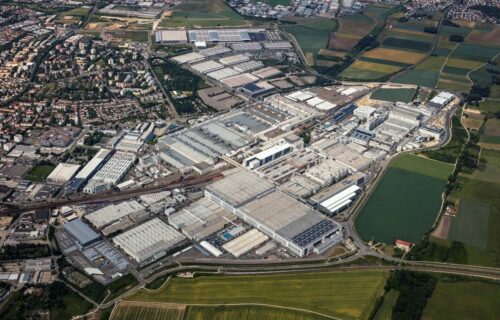
Audi AG has begun a comprehensive modernisation of its Ingolstadt production site, focusing on Hall A1, a central infrastructure hub that supplies the plant with energy, data and water. The project is being carried out while production continues at full capacity. Audi is working with the consulting firm Drees & Sommer, which is responsible for project coordination and oversight.
The existing infrastructure in Hall A1 has reached its capacity limits, prompting Audi to initiate a long-term renovation programme aimed at ensuring operational stability and preparing the site for new technologies. The programme consists of eight interlinked sub-projects with an overall implementation period of more than ten years.
Key elements include the construction of a new energy centre for the entire site and the reorganisation of supply routes for key operating media, including new distribution paths in the northern and southern sections of the plant. Audi and Drees & Sommer are jointly overseeing budget, schedule and quality control across the project.
“This is not a construction project in the traditional sense. The facility is being modernised while remaining fully operational, with all the technical, organisational and human challenges that such a project entails,” said Veronika Linz, Senior Project Manager at Drees & Sommer.
According to Linz, the eight sub-projects are at different stages of implementation, with some running sequentially and others in parallel. “Projects of this scale are never static. You plan with a goal in mind, but the path to achieving it is constantly changing. The dismantling of the energy centre and the main operating media routes began in 2025, while in other areas discussions focused on how to free up space and relocate users,” she added.
Managing interfaces between the many parties involved is a critical aspect of the project. These include planners, authorities, users, operators and construction companies, each with their own priorities and timelines. “The biggest challenge is not the construction itself,” Linz said. “Carefully coordinated interfaces are a prerequisite for stable processes.” She noted that long project durations also increase the importance of maintaining personnel and organisational continuity.
A central component of the modernisation is the new energy centre, which will be located in the middle of the plant. The approximately 120-metre-long technical building will be developed in two phases and will house cooling water and cold supply systems, heat pump technology, compressed air production, heat accumulators, main electrical substations and IT infrastructure. New above-ground and underground routes will connect the facility to the rest of the site.
The energy centre is designed to support Audi’s broader sustainability objectives. Plans include the use of industrial waste heat through heat pumps and heat storage systems, contributing to the company’s Mission:Zero environmental programme and strengthening the resilience of the plant’s energy supply.
“What is starting today in Hall A1 could become a model for other plants,” Linz said. “Everywhere infrastructure needs not only to be repaired, but rethought and fundamentally transformed.”